
Behind every medicine that reaches a patient stands a complex system of regulatory decisions, safety evaluations, and compliance standards that often determine how quickly life-changing treatments become accessible. In an industry where delays can impact millions of lives, leaders who can balance scientific precision with operational agility are helping reshape the future of healthcare.
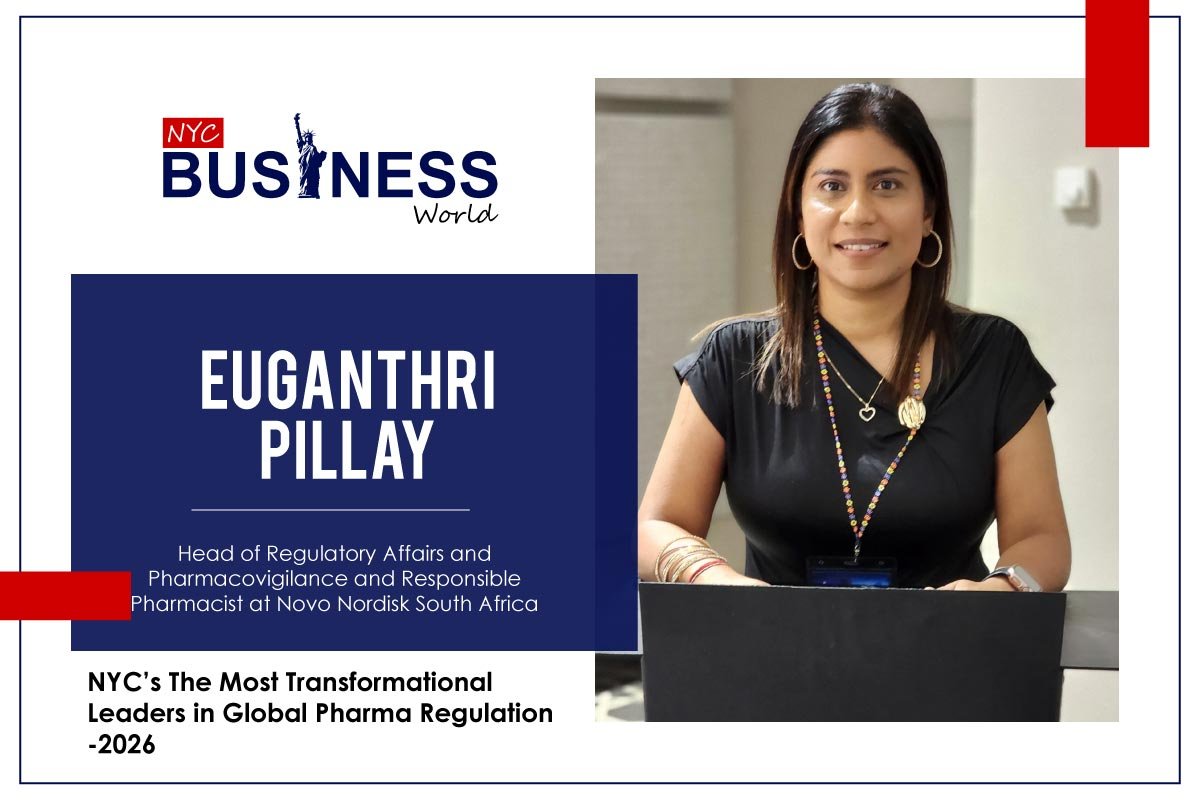
Among those driving this transformation is Dr. Euganthri Pillay. As Head of Regulatory Affairs and Pharmacovigilance and Responsible Pharmacist at Novo Nordisk South Africa, she has built a reputation for strengthening regulatory pathways, advancing patient safety, and improving access to essential therapies through strategic, patient-centered leadership. Combining regulatory expertise with a deep commitment to healthcare equity, Dr. Pillay continues to influence how innovation, compliance, and compassion can work together to create meaningful healthcare impact.
Leading with Purpose in Global Pharmaceutical Regulation
Dr. Pillay’s career in pharmacy and regulatory affairs stems from a deep commitment to public health. Driven by the belief that patients deserve timely access to safe, effective medicines, she focused early on how treatments move from development to approval. Today, she uses that passion to improve healthcare outcomes through regulatory excellence.
She began her career in Regulatory Affairs, specializing in submissions, compliance, and quality assurance. This role built a strong foundation in aligning scientific evidence with regulatory expectations. Later, she transitioned into Pharmacovigilance, where she deepened her focus on patient safety through post-market monitoring and risk management.
As a Responsible Pharmacist and later as Head of Regulatory Affairs and Pharmacovigilance at Novo Nordisk South Africa, Dr. Pillay expanded her leadership across cross-functional teams. In these roles, she successfully balanced regulatory priorities with broader business and patient needs. Over the years, Regulatory Affairs became the defining influence on her leadership philosophy. It shaped her ability to navigate complexity, anticipate challenges, and lead with discipline, collaboration, and accountability.
The Power of Authentic Leadership
Dr. Euganthri Pillay’s leadership philosophy is centered on empowering people, remaining adaptable, and maintaining high standards through everyday actions. She believes leadership is not about controlling every decision, but about guiding with purpose while ensuring individuals feel heard, valued, and involved. By leading through example, encouraging feedback, and fostering psychologically safe environments, she creates a culture where teams can contribute confidently, grow continuously, and perform at their best.
She views leadership as a responsibility built on trust, accountability, and integrity. Whether setting priorities, providing guidance, or making decisions, she approaches every interaction with humility, consistency, and a willingness to learn from new perspectives. For her, success extends beyond KPIs and includes whether people feel supported, respected, and empowered to develop their capabilities.
She also believes strong leadership is deeply connected to ethical responsibility, particularly in environments where decisions can impact patient health and public trust. By combining moral clarity with authenticity and openness, she creates a workplace culture that encourages resilience, collaboration, and meaningful human connection.
Innovation Without Compromise

Operating in a healthcare environment requires organizations to move faster without compromising patient safety or regulatory integrity. For Dr. Pillay, achieving this balance depends on creating integrated systems where compliance, innovation, and operational efficiency support one another rather than compete for priority.
In her current role, she focuses on building agile regulatory structures supported by collaboration, digitization, and proactive stakeholder engagement. Her leadership approach includes early dialogue with regulators, risk-based planning, and continuous capability development across teams. One of her core strategies involves flexible regulatory planning, engaging with authorities early to create smoother and more predictable review pathways. By proactively identifying potential risks and mitigation strategies upfront, her teams can accelerate processes without compromising scientific rigor.
Operational digitization also plays a critical role in her strategy. By implementing digital tools and streamlined workflows, she has helped improve efficiency, visibility, and responsiveness within regulatory operations. Equally important is ongoing learning. Dr. Pillay emphasizes continuous capability building to ensure teams remain current with evolving regulations, technologies, and industry trends. Through structured feedback loops and cross-functional alignment, she encourages continuous improvement while strengthening collaboration across departments.
Leadership in High-Stakes Regulatory Environments
One of the most significant regulatory challenges Dr. Euganthri Pillay faced in her career was navigating prolonged medicine approval timelines. In pharmaceutical regulation, delays can affect patient access, supply continuity, internal planning, and the organization’s credibility with healthcare stakeholders. The complexity of these timelines was influenced by factors such as dossier readiness, scientific justification, documentation quality, and the pace of regulatory review.
To address this challenge, Dr. Pillay introduced a more proactive and structured regulatory approach. Instead of relying on a traditional “submit and wait” process, she focused on early regulatory engagement and stronger internal alignment before submissions entered formal review stages. By anticipating potential regulatory concerns in advance, her teams were better prepared to respond efficiently and maintain momentum throughout the approval process.
She also prioritized dossier excellence by strengthening the quality and consistency of regulatory documentation while reinforcing cross-functional collaboration across Medical, Commercial, Quality, Pharmacovigilance, and Supply teams.
Her leadership helped reduce preventable delays, improve organizational responsiveness, and create a smoother regulatory pathway. More importantly, these efforts supported faster and more reliable patient access to essential therapies while maintaining high compliance standards.
A Culture Where Patient Safety Drives Every Decision
While Dr Pillay believes that fostering a proactive and patient-centric compliance culture begins with establishing the right mindset, she also emphasises that its true impact is realized when those principles are embedded into daily operations. By ensuring that patient safety becomes an integral part of how her team works, she helps translate regulatory expectations into practical behaviours such as accurate safety reporting, timely escalation of concerns, and consistent follow-up practices. This connection between individual responsibility and patient outcomes helps transform compliance from a requirement into a shared commitment.
Strong governance remains a critical part of her approach. Clear accountability structures, well-defined processes, and risk-based oversight allow her team to make informed and transparent decisions while maintaining a high standard of patient protection. Through the continuous evaluation of safety metrics, emerging trends, and potential signals, risks can be identified early and addressed before they affect patients.
Equally important is her ability to make compliance measurable and actionable. Monitoring factors such as reporting timeliness, data quality, and follow-up effectiveness provides meaningful insights that guide improvement initiatives, including root cause analysis and focused capability development. At the same time, she believes in cultivating a culture where employees feel confident speaking up, as escalating concerns early strengthens both patient safety outcomes and regulatory trust.
Patient Safety Through Technology and Culture
For Dr. Euganthri Pillay, maintaining a proactive patient safety culture requires more than governance frameworks; it requires embedding safety into everyday behaviors and organizational thinking.
Her team’s focus is on ensuring safety reporting accuracy, timely escalation of concerns, and continuous monitoring of safety metrics and emerging trends. By creating clear accountability structures and measurable compliance standards, she reinforces a culture where patient protection remains central to operational decision-making.
Technology is also becoming important in transforming pharmacovigilance practices globally. She believes artificial intelligence, advanced analytics, and real-world data will significantly improve the speed and precision of safety signal detection.
These technologies enable earlier identification of potential adverse reactions and support more proactive risk management strategies, strengthening patient protection and regulatory responsiveness.
Building Regulatory Trust Through Collaboration and Transparency
For Dr. Pillay, effective collaboration with the National Health Authority is essential to accelerating regulatory approvals while maintaining scientific rigor and patient safety. Her approach is centered on building trust through transparency, proactive engagement, and strong regulatory alignment.
She focuses on developing clear and consistent communication with regulators to reduce avoidable delays and streamline review processes. By engaging authorities early, she gains valuable regulatory insight, incorporates feedback proactively, and addresses potential concerns before they become obstacles.
She also supports the use of scalable regulatory pathways, including reliance models and work-sharing mechanisms, to improve efficiency without compromising quality standards. Her leadership reflects a practical balance between innovation, compliance, and operational effectiveness.
Equally important is her commitment to transparency throughout the approval process. By maintaining open communication and providing regular updates, she strengthens regulator confidence and enables smoother, more predictable outcomes.
Through trusted relationships, high-quality submissions, and a collaborative mindset, she continues to demonstrate how strategic regulatory leadership can help accelerate access to healthcare solutions while supporting efficient and responsible decision-making.
A Global Compliance Through Strategic Alignment and Regulatory Precision

Global compliance is not a one-time harmonization effort but a continuous operating model focused on maintaining consistent standards for quality and patient safety across markets. While regulations differ by region, Dr Pillay’s approach ensures that global compliance frameworks remain aligned while adapting responsibly to local legislative requirements.
She begins by establishing structured processes for submissions, safety obligations, and core documentation standards, creating a strong and consistent compliance foundation. At the same time, she ensures local requirements are addressed with precision by adapting timelines, content, and data expectations without compromising overall regulatory integrity.
Cross-functional collaboration remains central to her leadership approach. By clearly defining how Regulatory Affairs, Pharmacovigilance, Medical, Quality, Commercial, Legal, and Compliance teams work together, she strengthens accountability, improves coordination, and minimizes duplication across markets.
She also reinforces alignment through standardized workflows, shared tools, and targeted training programs that help teams interpret regulatory requirements consistently.
Through proactive monitoring, regulatory intelligence tracking, and continuous improvement initiatives, she strengthens compliance systems while maintaining operational agility. Her balanced approach enables effective global collaboration without compromising regulatory rigor or patient safety.
Shaping a More Self-Reliant and Unified Pharmaceutical Future for Africa
Dr. Euganthri Pillay believes the next five years will be a defining phase for Africa’s pharmaceutical sector, driven by stronger regulatory collaboration and a growing focus on local manufacturing. This evolution aims to create a connected environment that accelerates patient access to essential therapies.
Historically, inconsistent regulatory requirements across countries have slowed medicine approvals. However, initiatives linked to the African Medicines Agency (AMA) and the African Union are driving momentum toward harmonization. By standardizing processes and fostering regional collaboration, these frameworks aim to shorten approval timelines for critical treatments, while maintaining strict safety and quality standards.
In tandem with regulatory shifts, she views local manufacturing as a vital pillar for healthcare resilience. Expanding domestic production reduces reliance on imports, stabilizes supply chains, and provides affordable medicines to underserved communities. When regulatory efficiency aligns with affordability goals, the long-term impact on African healthcare outcomes can be truly transformative.
A Research Mission Rooted in Equity
Dr. Pillay’s leadership extends beyond regulatory strategy to research that addresses some of the most pressing healthcare challenges facing South Africa today. Her doctoral work focused on improving access to affordable insulin, an issue that continues to affect millions of people living with diabetes across underserved communities.
What makes this research particularly significant is its practical and people-centered focus. Rather than approaching affordability as only a policy discussion, she examined how healthcare systems, regulatory frameworks, and access barriers collectively influence patient outcomes. Her work reflects a broader belief that healthcare innovation should not only advance treatment options but also improve accessibility for the people who depend on them most.
Through her research, she hopes to support more informed healthcare policies, encourage wider adoption of cost-effective insulin alternatives, and contribute to long-term solutions that reduce preventable complications associated with diabetes. The study also reinforces the importance of collaboration between regulators, healthcare providers, and policymakers in building sustainable access models.
Her impact on research is measured by its ability to improve lives and represents a continued commitment to advancing healthcare systems that are not only scientifically progressive but also equitable, practical, and responsive to patient needs.
Purpose, Access, and Lasting Patient Impact
Being named among the Global 200 Women Power Leaders in 2025 marked a defining moment in Dr. Euganthri Pillay’s journey, reinforcing her commitment to placing social impact at the center of every decision. Her leadership is measured by the ability to improve lives across diverse communities, rather than by business growth alone.
Believing that every strategic choice carries a human consequence, she focuses on expanding access to affordable medicines and advancing innovation responsibly. Throughout her corporate career, she has treated purpose as an essential pillar of strategy rather than a separate initiative, directly influencing her approach to partnerships and organizational growth.
She is equally passionate about fostering women’s leadership. By openly discussing the realities of balancing family responsibilities with professional ambition, she aims to inspire women to pursue impactful careers without compromise.
Her vision is to shape a more compassionate, people-centered healthcare industry. While her 2025 recognition was a significant honor, she views it primarily as a responsibility to continue driving momentum toward an equitable and purposeful future.
A Global Perspective Shaping Equitable Healthcare Leadership

Dr. Euganthri Pillay’s educational journey across South Africa, Greece, the United States, and the United Kingdom has shaped her leadership philosophy and deepened her commitment to equitable healthcare.
Beginning with a Bachelor of Pharmacy in South Africa, she gained firsthand insight into the realities of resource-constrained healthcare systems. These experiences taught her the importance of practical solutions, empathy, and adaptability in patient care.
While pursuing an MBA in Athens, her perspective expanded beyond clinical practice to include policy, market access, and the commercial factors influencing healthcare accessibility. Living in a new cultural environment also strengthened her ability to navigate diverse perspectives and make thoughtful decisions.
Her doctoral training through the United States reinforced her focus on public health, fairness, and inclusion. Research encouraged her to question assumptions and consider who may be left behind when healthcare systems evolve.
Further studies at Oxford University, United Kingdom, in change and knowledge management refined her leadership approach, emphasizing that meaningful progress depends on intentional implementation, collaboration, and continuous learning.
Together, these experiences shaped her into a leader who values curiosity, cultural sensitivity, and equity while remaining focused on creating healthcare solutions grounded in real-world impact.
Guiding the Next Generation of Regulatory Leaders
Dr. Pillay believes success in regulatory affairs and pharmacovigilance begins with mastering the fundamentals, including regulatory frameworks, patient safety principles, data quality, and benefit-risk assessment. In her experience, professionals who stand out are those who ask the right questions, identify gaps early, and translate complex requirements into clear actions that protect patients.
Beyond technical expertise, she emphasizes the importance of communication and collaboration. Whether working with Commercial, Medical, Quality, or leadership teams, the ability to communicate clearly, document decisions responsibly, and build trusted cross-functional relationships is essential. She also encourages continuous learning, noting that adaptability and resilience are critical in an industry shaped by evolving regulations.
As a woman in leadership, she hopes younger women recognize that career ambition and family responsibilities can coexist. Her journey reflects the value of seeking guidance from leaders who understand both professional and personal realities.
Above all, she encourages aspiring professionals to pursue excellence with integrity, seek mentors who challenge them, and build credibility across functions. For her, regulatory and patient safety work is demanding but deeply meaningful because it directly impacts how medicines reach and protect patients.
Inside the Business Mind
A closer look at the mindset, leadership philosophy, and industry perspective shaping modern pharmaceutical regulation and patient-focused healthcare innovation.
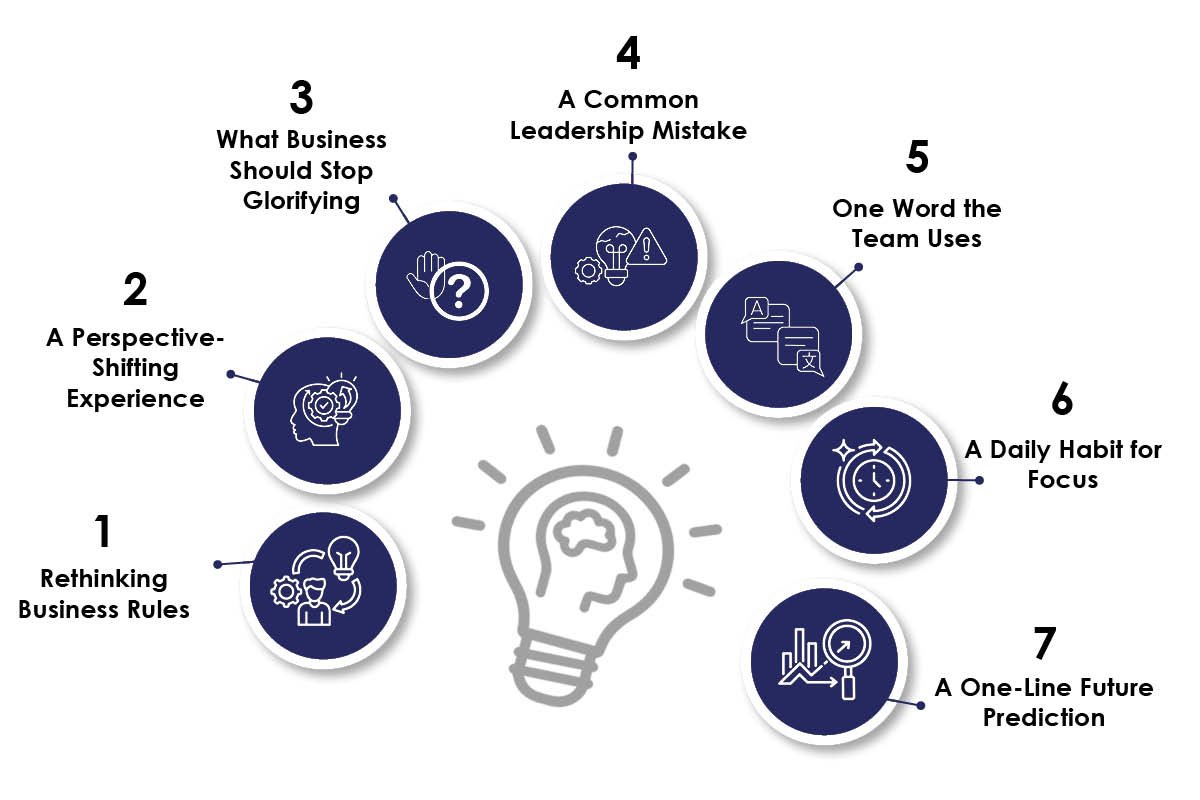
- Rethinking Business Rules: “Submit and wait” should be replaced with proactive regulator engagement supported by dossier readiness and clear evidence.
- A Perspective-Shifting Experience: Doctoral research on affordable insulin in South Africa reinforced that real impact is measured by patient access.
- What Business Should Stop Glorifying: Prioritizing speed over patient safety, robust evidence must always come first.
- A Common Leadership Mistake: Assuming technical expertise alone is enough while neglecting cross-functional communication and alignment.
- One Word the Team Uses: “Composed”
- A Daily Habit for Focus: Starting each day by identifying the top three priorities and one early risk to monitor.
- A One-Line Future Prediction: Global healthcare regulation and safety systems will become faster, more data-driven, and increasingly powered by digitization and AI.