
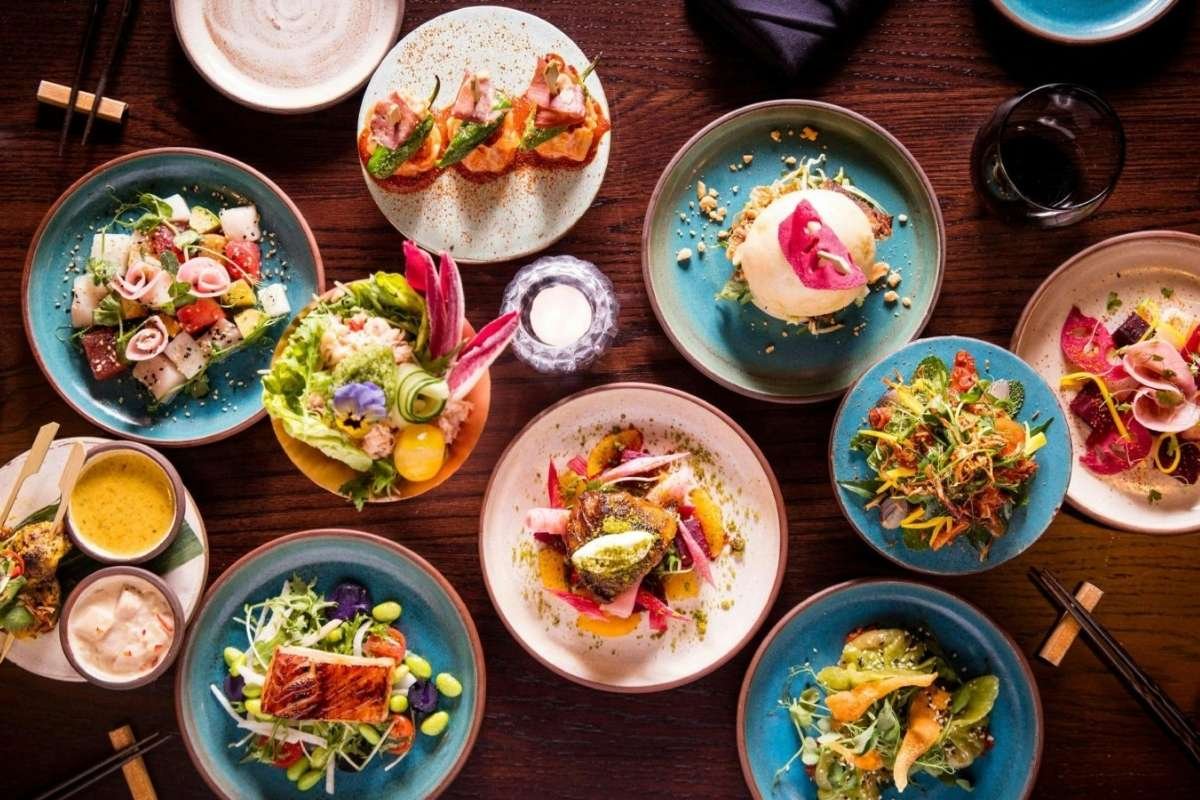
New York City, often regarded as one of the world’s culinary capitals, is home to a thriving food startup ecosystem that is transforming the way people eat, cook, and experience food. With a blend of cultural diversity, entrepreneurial spirit, and a growing demand for innovative food solutions, NYC has become the ideal hub for food startups to flourish. These startups are not just focused on offering unique dining experiences but are also working to solve pressing issues like sustainability, food waste, health-conscious consumption, and accessibility to quality meals. In this article, we will explore the exciting world of food startups in NYC, their impact on the culinary landscape, and the trends that are shaping the future of food.
The Rise of Food Startups in NYC
New York City’s food scene has always been a melting pot of cultures, with thousands of restaurants, food trucks, and markets offering cuisines from all over the world. However, the rise of food startups has added a new layer of innovation to the city’s gastronomic fabric. Startups are leveraging technology, creativity, and sustainability to address the evolving needs of today’s consumers, who are more conscious about where their food comes from, how it is produced, and its environmental impact.
Several factors have contributed to the boom of food startups in NYC. First, the city’s dense population and diverse demographics make it an ideal testing ground for new food concepts. Additionally, New York’s status as a financial and tech hub means that food entrepreneurs have access to funding, mentorship, and a network of investors. Incubators and accelerators like Food-X, Chobani Incubator, and The Hatchery provide early-stage startups with resources to grow and scale their operations.
Finally, the demand for healthier, more sustainable, and convenient food options has fueled the growth of startups. From plant-based meal delivery services to zero-waste grocery stores, food startups are tapping into consumer trends that prioritize nutrition, sustainability, and convenience.
Innovative Food Startups Changing the Game
1. Hungryroot
Hungryroot is a tech-driven grocery delivery service that provides healthy, personalized meal kits based on users’ dietary preferences. Founded in 2015, the company has revolutionized the grocery shopping experience by combining AI-powered meal recommendations with high-quality, plant-based ingredients. Customers receive a weekly box filled with groceries and recipes, allowing them to create nutritious meals in less time. By emphasizing convenience and health, Hungryroot has become a go-to for busy New Yorkers looking for an easy way to eat well.
2. Plated
Plated, a pioneer in the meal kit space, was founded in 2012 and quickly became one of the most well-known food startups in NYC. Plated allows customers to choose from a variety of chef-designed recipes and delivers all the necessary ingredients to their doorsteps. While meal kits are widely available today, Plated helped pave the way for the category’s growth by offering customization, high-quality ingredients, and a focus on making home-cooked meals more accessible.
Though Plated was acquired by grocery giant Albertsons in 2017, its success demonstrates the strong market demand for convenient, healthy, and customizable meal options.
3. Gotham Greens
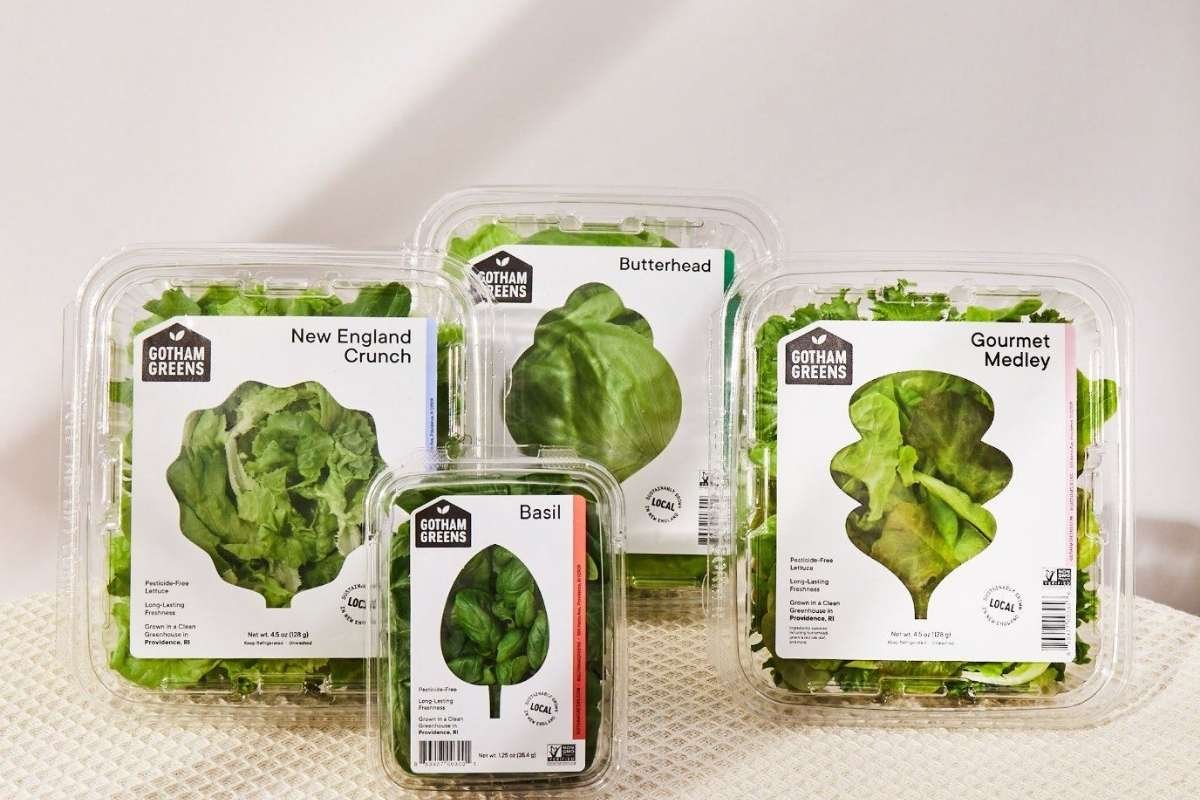
Gotham Greens is a pioneer in urban agriculture, growing fresh, pesticide-free produce year-round in rooftop greenhouses throughout New York City. Founded in 2009, the company’s mission is to bring locally grown, sustainable food to urban environments. With rooftop farms in locations like Gowanus and Greenpoint, Gotham Greens produces leafy greens and herbs that are sold in grocery stores and used by restaurants across the city.
The company’s innovative approach to farming—using hydroponics and controlled environments—reduces the need for land and water while ensuring that New Yorkers have access to fresh, nutritious produce. Gotham Greens is a prime example of how food startups are solving the challenge of feeding urban populations in an environmentally friendly way.
4. Misfits Market
Misfits Market tackles the issue of food waste by selling “ugly” or surplus produce that doesn’t meet traditional grocery store standards. The startup delivers discounted, high-quality fruits and vegetables directly to consumers, helping reduce food waste while making healthy food more affordable.
Founded in 2018, Misfits Market sources produce from farms and suppliers that would otherwise go to waste due to cosmetic imperfections. By offering subscription boxes at lower prices than conventional grocery stores, the company has built a loyal following of consumers who are both environmentally conscious and budget-savvy.
5. Daily Harvest
Daily Harvest is a direct-to-consumer startup that delivers healthy, plant-based meals, smoothies, and snacks straight to customers’ doors. Founded in 2015, the company focuses on organic, whole foods that are frozen at peak freshness to retain nutrients. Customers can choose from a wide range of frozen offerings, including bowls, soups, and oatmeals, which are designed to be quick and easy to prepare.
What sets Daily Harvest apart is its focus on convenience and nutrition for the modern consumer. In a fast-paced city like New York, where residents often lack time to cook healthy meals, Daily Harvest offers a simple solution for eating well without sacrificing time or quality.
Trends Shaping NYC’s Food Startup Scene

The growth of food startups in NYC has been driven by several key trends that reflect the changing preferences of consumers. These trends are shaping not only the types of startups emerging but also how these companies are developing their products and business models.
1. Sustainability
As consumers become more aware of the environmental impact of their food choices, sustainability has become a central focus for many food startups. From urban farming and plant-based foods to zero-waste packaging, startups are finding ways to minimize their environmental footprint. Companies like Gotham Greens and Misfits Market exemplify this trend by offering sustainable, eco-friendly solutions that address issues like food waste and carbon emissions.
2. Health and Wellness
In recent years, there has been a significant shift toward health-conscious eating, with more consumers prioritizing organic, plant-based, and nutrient-dense foods. Food startups like Hungryroot and Daily Harvest cater to this demand by offering meals and groceries that focus on whole, unprocessed ingredients. The emphasis on personalized nutrition, where consumers can tailor their meals to fit dietary needs, is also becoming more prevalent.
3. Convenience
In a city that never sleeps, convenience is key. New Yorkers are looking for quick, easy, and reliable ways to access healthy, delicious food. This has led to the rise of on-demand meal delivery services and subscription boxes that make meal planning and grocery shopping more efficient. The success of companies like Plated and Daily Harvest underscores the importance of convenience in today’s food landscape, especially in a fast-paced urban environment like NYC.
4. Technology Integration
Many food startups in NYC are using technology to enhance the customer experience and streamline operations. From AI-powered meal recommendations to online platforms that allow for personalized grocery shopping, tech integration is playing a significant role in the growth of food startups. Hungryroot’s use of machine learning to create personalized meal plans is just one example of how tech is revolutionizing the food industry.
Conclusion: The Future of Food Startups in NYC
As the demand for innovative, sustainable, and health-conscious food options continues to grow, food startups in NYC are poised to lead the way in reshaping the culinary landscape. These startups are not only catering to the immediate needs of urban consumers but are also addressing larger issues such as food security, environmental sustainability, and the future of agriculture.
Looking ahead, we can expect more startups to focus on alternative proteins, lab-grown meats, and plant-based substitutes as the movement toward a more sustainable food system gains momentum. Additionally, technology will continue to play a central role, with startups leveraging AI, blockchain, and data analytics to create more personalized, efficient, and eco-friendly food solutions.
In conclusion, NYC’s food startup ecosystem is vibrant, dynamic, and evolving rapidly. With the right combination of innovation, sustainability, and technology, these startups are paving the way for a future where food is more accessible, healthier, and kinder to the planet.