
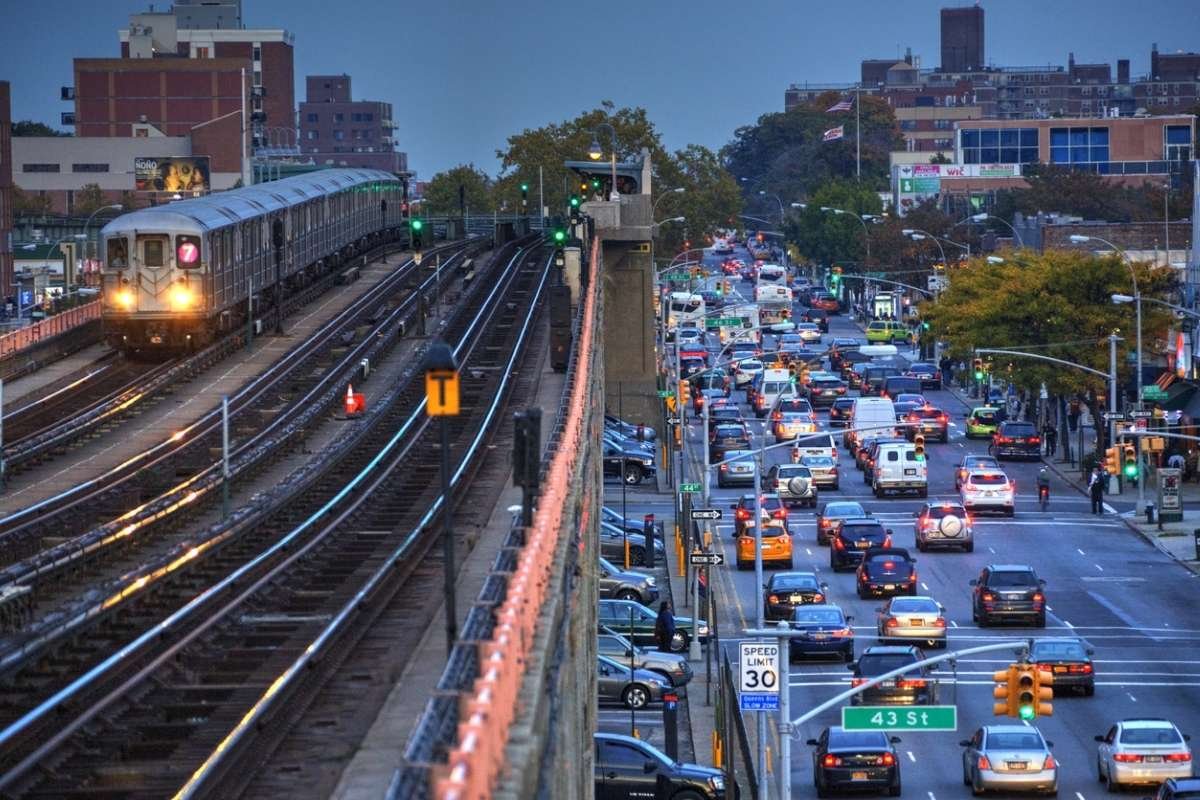
New York City, often referred to as the “Big Apple,” is a bustling metropolis known for its iconic skyline, vibrant culture, and, most importantly, its public transport system. The New York City public transport network is one of the most extensive and complex in the world, serving millions of commuters and tourists alike. This article will explore the various modes of transportation available, the history behind the system, and tips for navigating it effectively.
Overview of New York City Public Transport
The New York City public transport system primarily comprises the subway, buses, and ferries. Managed by the Metropolitan Transportation Authority (MTA), these services connect all five boroughs: Manhattan, Brooklyn, Queens, the Bronx, and Staten Island. With over 450 subway stations, more than 300 bus routes, and several ferry lines, the system offers a comprehensive way to navigate the city.
1. The Subway System
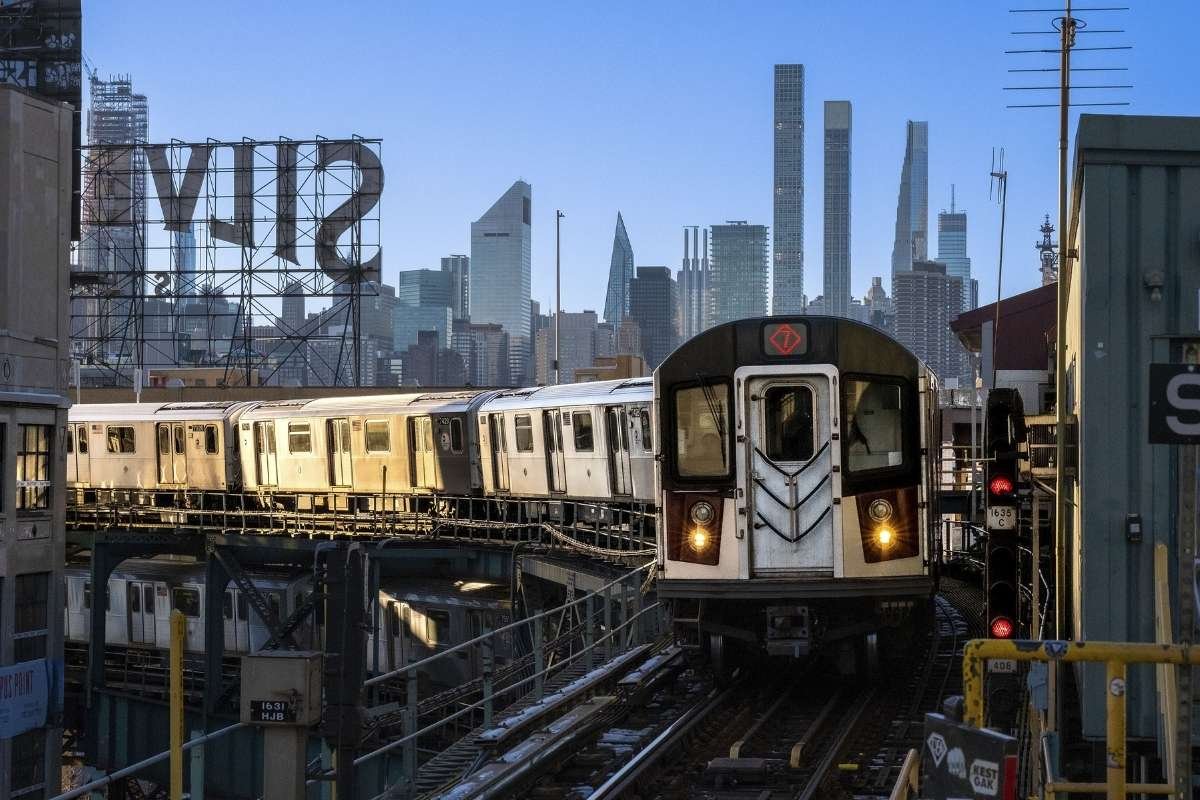
The subway is arguably the backbone of the New York City public transport system. Opened in 1904, it has grown to include 27 lines and over 665 miles of track. The subway operates 24 hours a day, making it a reliable choice for commuters and night owls.
Each subway line is identified by a letter or number and is color-coded on maps. Stations are equipped with signs that indicate which trains stop there, along with maps to help passengers navigate their routes. One of the best features of the subway is its affordability; a single ride costs $2.90, and unlimited ride options are available for those who frequently use the system.
Benefits of the Subway
- Speed: The subway can be faster than surface transport, especially during peak traffic hours.
- Coverage: With lines that reach nearly every corner of the city, the subway provides extensive access to various neighborhoods and attractions.
- Affordability: Compared to other major cities worldwide, New York City’s subway fares are quite reasonable.
2. Buses
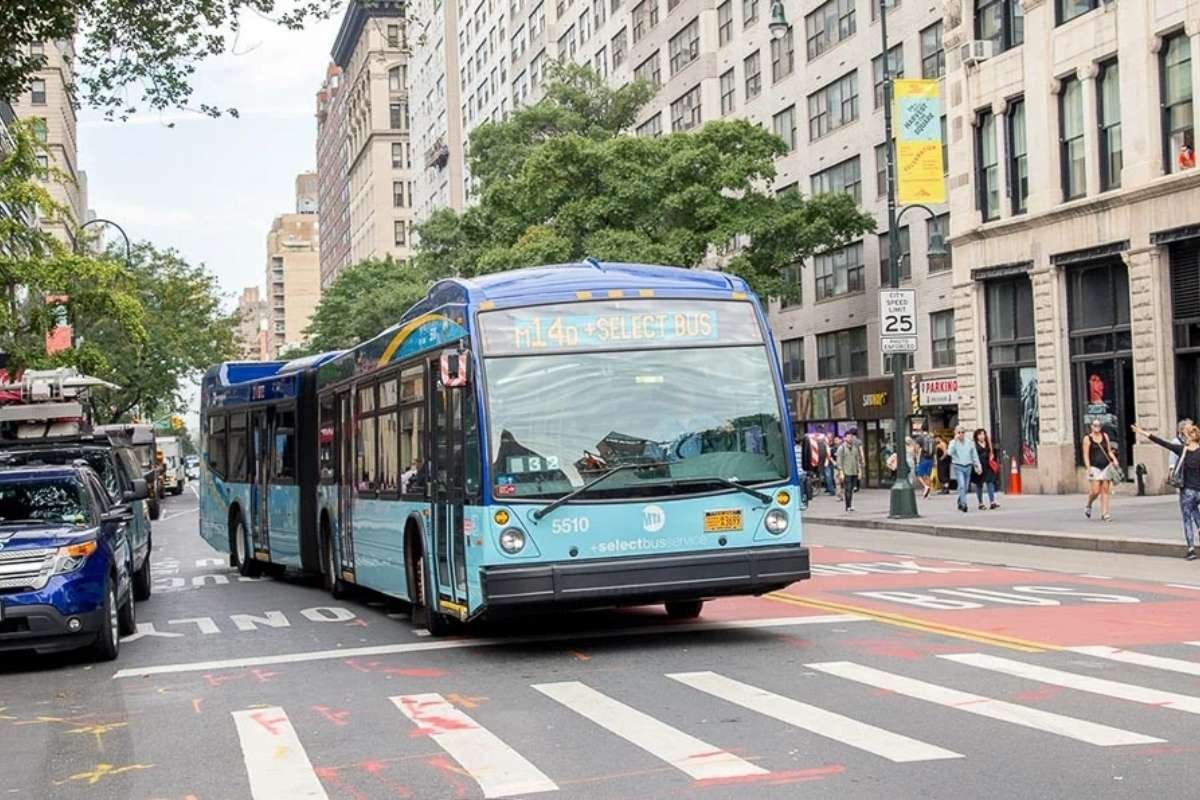
While the subway is a fast way to traverse the city, buses provide a different experience and cover areas that may not be accessible by train. The New York City public transport bus system features over 300 routes, including local, express, and Select Bus Service (SBS) options.
Buses are equipped with GPS tracking, allowing riders to see when the next bus is expected to arrive. The MTA also offers a mobile app that provides real-time updates and route information, enhancing the overall user experience.
Benefits of Buses
- Accessibility: Buses reach areas that the subway does not, making them essential for those in more remote neighborhoods.
- Comfort: With fewer crowds than subway trains, buses can provide a more comfortable ride, particularly during peak times.
- Scenic Routes: Riding the bus allows passengers to see the city as they travel, providing a unique perspective of New York’s neighborhoods and landmarks.
3. Ferries
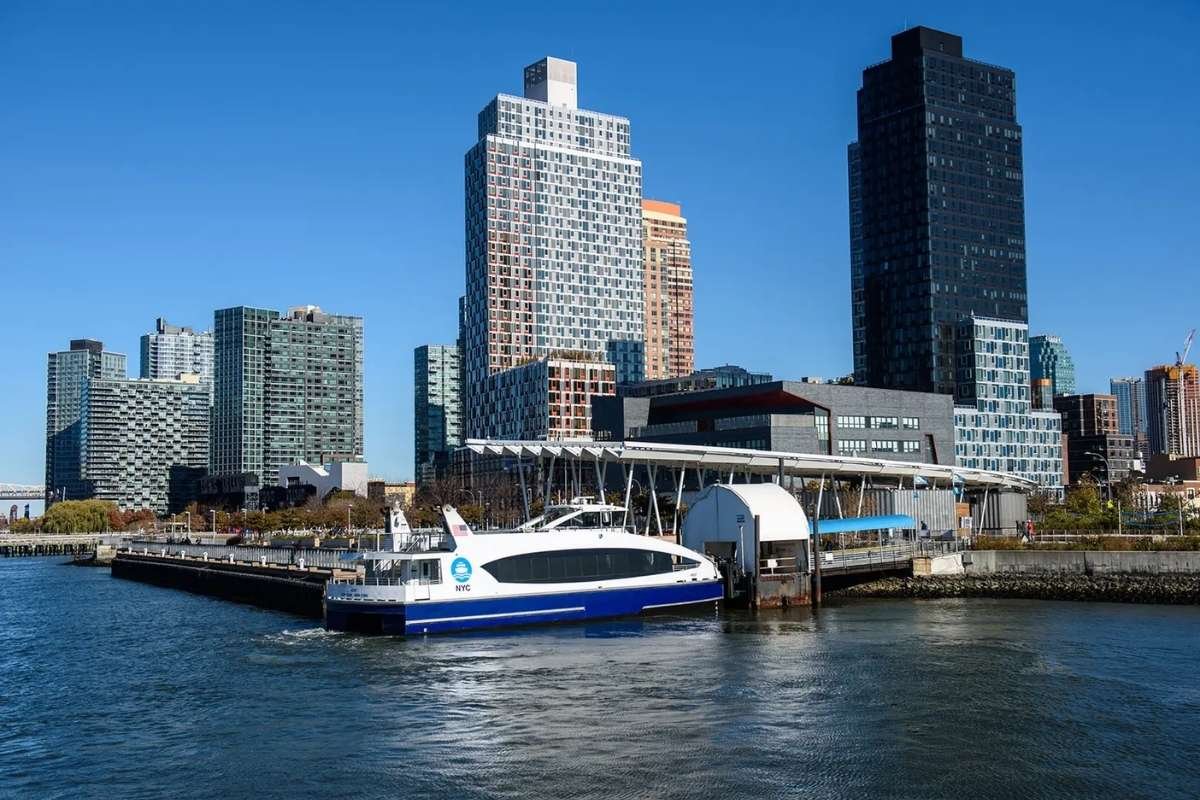
For those looking to explore New York City from a different angle, the ferry system is an excellent option. The NYC Ferry connects Manhattan with various points in Brooklyn, Queens, and the Bronx, offering stunning views of the skyline and landmarks such as the Statue of Liberty and Ellis Island.
The ferry service operates frequently, with rides costing $4.00, making it an affordable option for both locals and tourists. Ferries are a popular choice for commuters working in Manhattan, as they provide a scenic and enjoyable alternative to the subway or bus.
Benefits of Ferries
- Scenic Experience: Riding the ferry provides breathtaking views of the harbor and skyline, making it a memorable experience.
- Relaxation: Ferries are typically less crowded than other forms of public transport, offering a more tranquil environment.
- Environmental Impact: Ferries are an eco-friendly option, reducing congestion on the roads and providing a sustainable transport alternative.
Tips for Navigating New York City Public Transport
While the New York City public transport system is extensive, navigating it can be challenging, especially for newcomers. Here are some tips to help you make the most of your journey:
- Download the MTA App: The MTA offers a comprehensive app that provides real-time updates, maps, and fare information, making it easier to plan your route.
- Understand the Fare System: Be aware of the fare options available, including single rides, unlimited ride cards, and discounts for seniors and people with disabilities.
- Check for Service Changes: The MTA frequently updates its service schedules for maintenance and other reasons. Check their website or app for any service changes that may affect your journey.
- Use Google Maps: Google Maps is an excellent tool for navigating the public transport system. It offers step-by-step directions and real-time updates on transit schedules.
- Stay Aware of Your Surroundings: While New York City is generally safe, it’s essential to stay aware of your surroundings, especially during off-peak hours when the subway or bus may be less crowded.
Conclusion
The New York City public transport system is a vital component of urban life in one of the world’s most dynamic cities. With its extensive network of subways, buses, and ferries, it provides residents and visitors with a reliable and affordable means of transportation. Understanding how to navigate this complex system can significantly enhance your experience in the city, allowing you to explore its diverse neighborhoods and iconic landmarks. Whether you’re commuting to work or exploring the sights, the New York City public transport system is your gateway to the heart of this incredible metropolis.