
New York is loud. Fast. Expensive. And brutally honest. It does not care about your dreams until you prove them. So why do people still come here to build something big?
Because if you survive New York, you don’t just succeed, you level up.
Think about it. What kind of person leaves comfort, walks into chaos, and says, “Yeah, I’ll build my future here”?
That’s the mindset behind Inspiring entrepreneurs in New York.
They don’t wait for the perfect moment. They create it.
They don’t fear failure. They collect it like experience points.
And most importantly, they don’t quit.
This city rewards action, not excuses.
Billion-dollar tech companies to fashion brands that started in tiny apartments, these stories prove one thing:
Success is not magic. It is messy, stressful, and very real.
Let’s break down the Top 10 Inspiring entrepreneurs in New York who are shaping 2026.
Top 10 Inspiring entrepreneurs in New York 2026
1. Michael Bloomberg
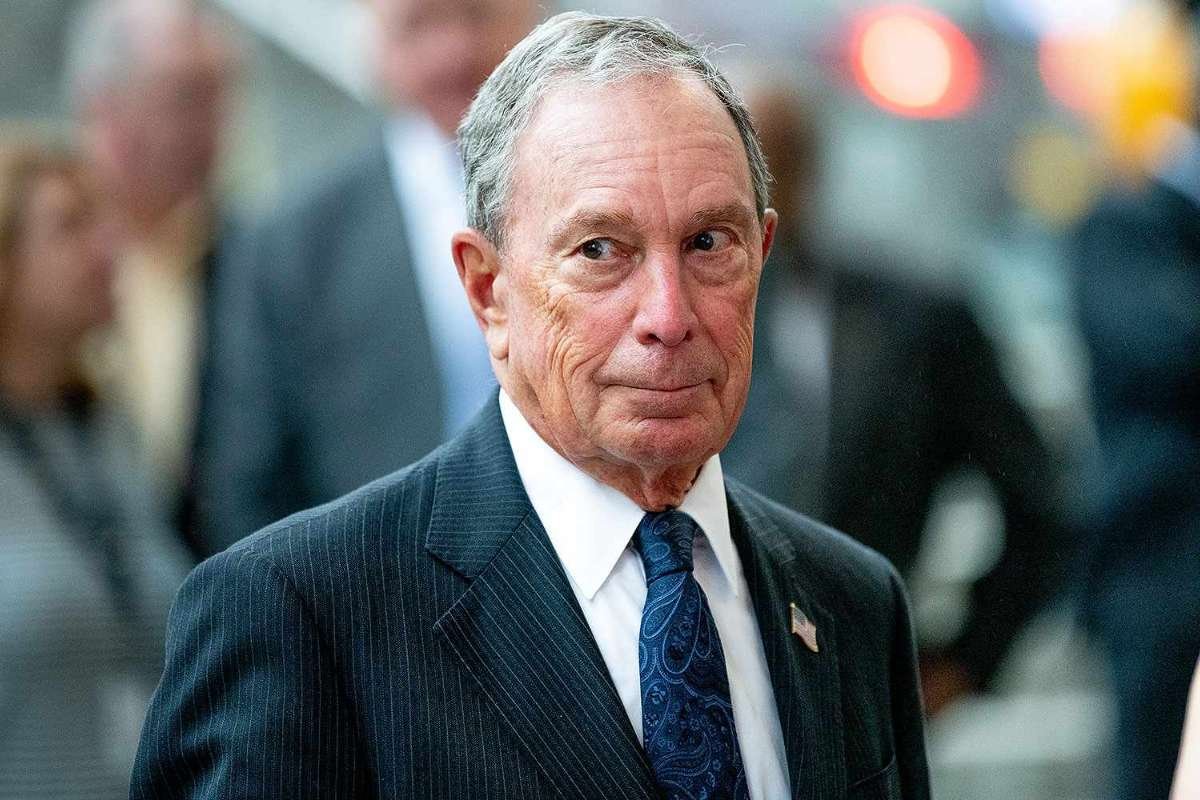
Michael Bloomberg did not start as a billionaire. He worked at a Wall Street firm called Salomon Brothers. One day, he lost his job.
Most people panic in that situation. He didn’t.
Instead of searching for another job, he asked a smarter question:
“What do traders actually need?”
At that time, financial data was slow, scattered, and hard to use. Bloomberg saw an opportunity. He created a system that gave real-time financial data in a simple format. That idea became Bloomberg LP.
What made him different
- He focused on solving a real problem
- He built something professionals were ready to pay for
- He kept improving the product over time
- Real takeaway: Losing a job can feel like the end. For him, it became the beginning. He didn’t replace his income. He replaced the system.
- Lesson: When life shuts one door, don’t knock again. Build your own door.
2. Jeff Bezos
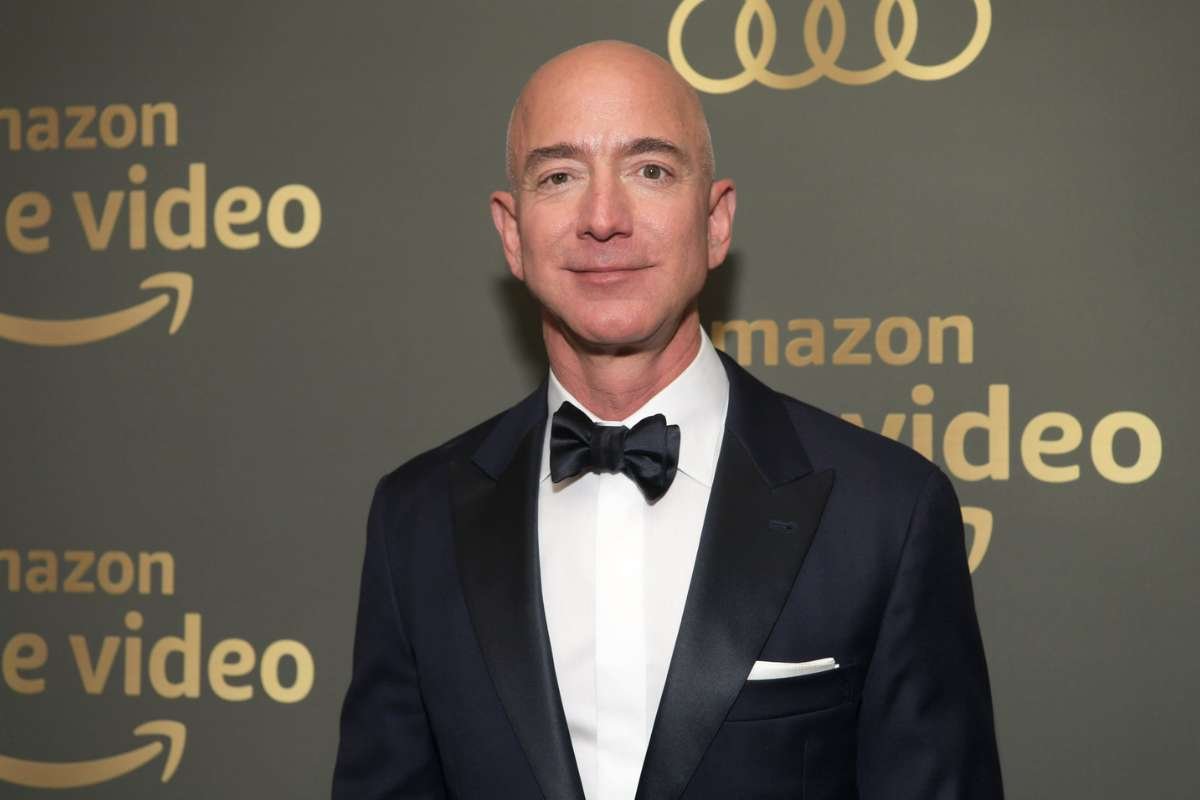
Jeff Bezos had a stable, high-paying job. He could have stayed comfortable. But he saw something early: the internet was growing fast.
Instead of overthinking, he acted. He started Amazon as an online bookstore. Simple idea. Small start.
But his real strength? He didn’t think like a seller. He thought like a builder.
What made him different
- He focused on long-term growth, not quick profits
- He reinvested money into systems and technology
- He built trust through customer experience
Amazon didn’t become huge overnight. It took years of patience.
- Real takeaway: Most people want fast success. Bezos played the long game.
- Lesson: If you think long-term, you make better short-term decisions.
3. Daymond John
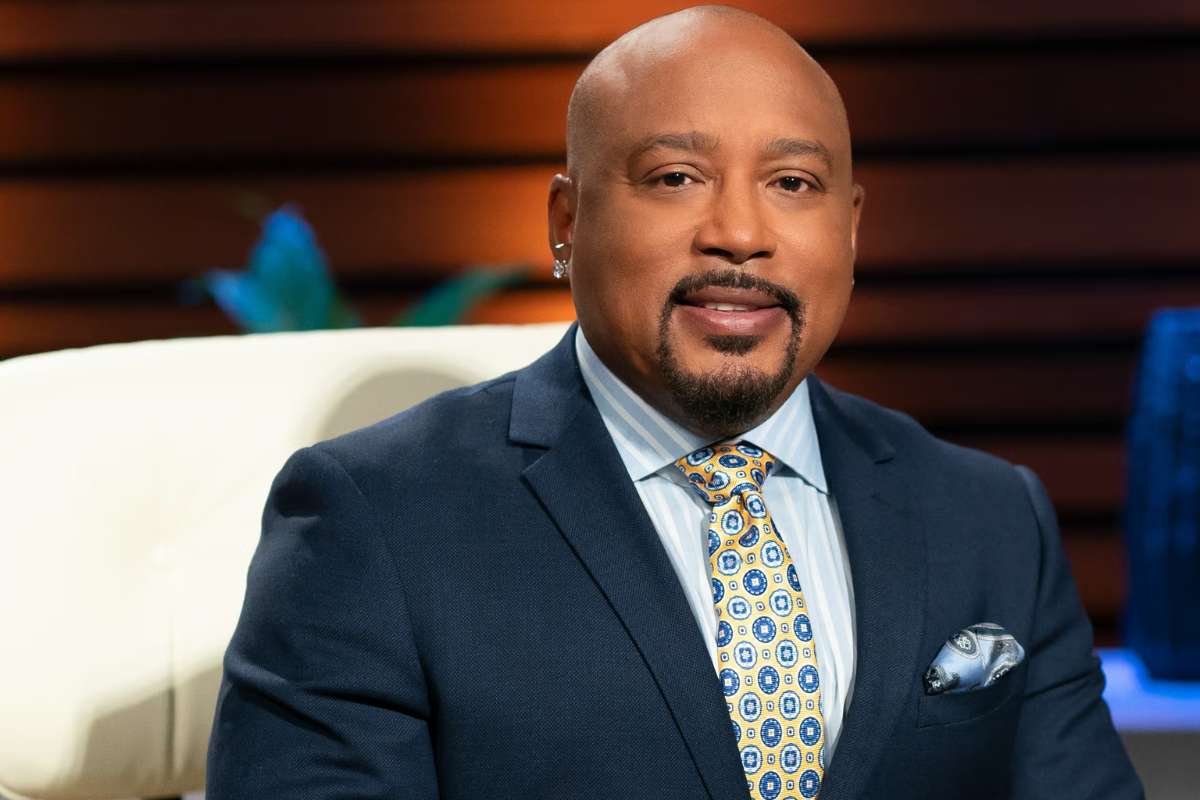
Daymond John didn’t have big money or investors. He had an idea and a sewing machine.
He started making clothes at home in Queens. He sold them himself. Sometimes on the streets. Sometimes door-to-door.
It was not glamorous. It was a real hustle.
What made him different
- He used what he already had.
- He understood his audience deeply.
- He marketed creatively with limited resources.
FUBU grew because it connected with culture. It wasn’t just clothing, it was identity.
- Real takeaway: You don’t need perfect conditions to start. You need action.
- Lesson: Start small. Stay consistent. Scale later.
4. Gary Vaynerchuk
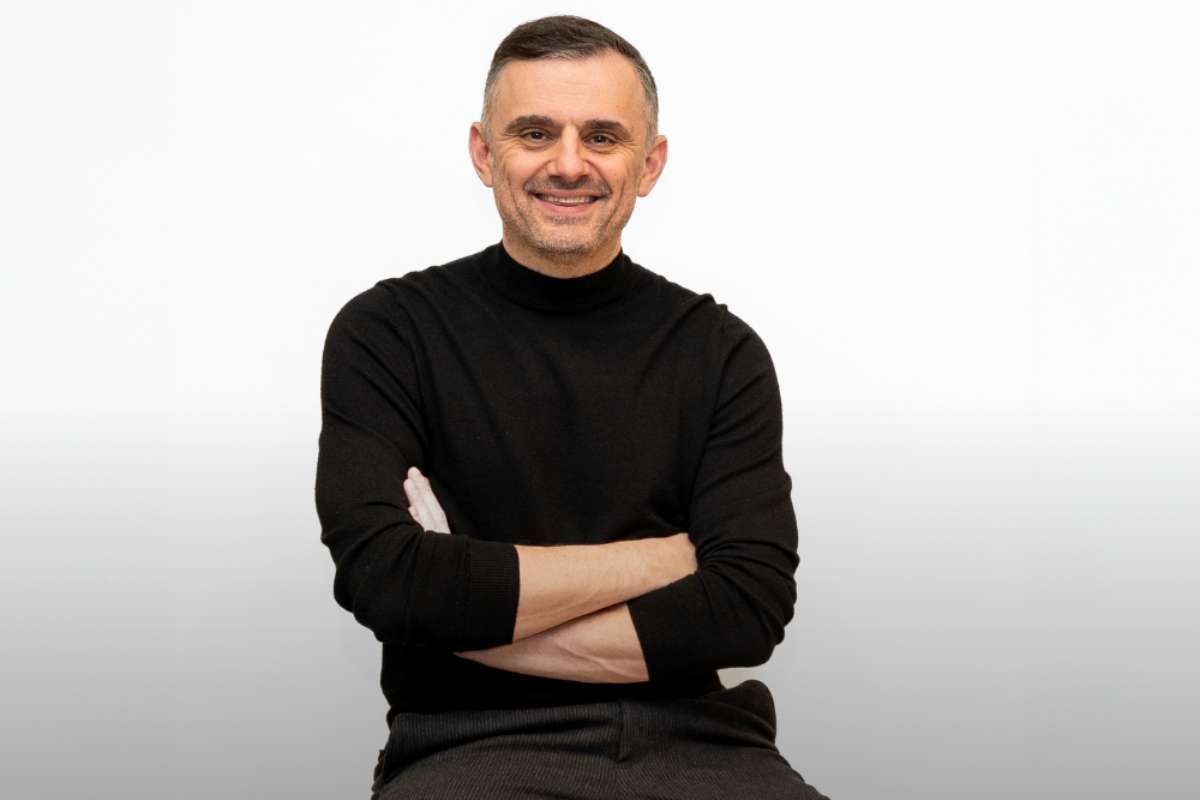
Gary Vaynerchuk didn’t invent social media. He just understood it faster than most.
He took his family’s wine business and started talking about wine online, before it was popular.
People laughed at first. Then they watched. Then they followed.
What made him different
- He paid attention to where people were spending time
- He created content consistently
- He built a personal brand, not just a business
He turned attention into opportunity.
- Real takeaway: Platforms change. Human attention doesn’t.
- Lesson: If you know where people are looking, you can build anything.
5. Emily Weiss

Emily Weiss didn’t start with a product. She started with a blog.
She asked people what they liked, what they didn’t, and what they wished existed. Only after understanding her audience did she build Glossier.
What made her different
- She listened before building.
- She made customers feel involved.
- She focused on simplicity and experience.
Her brand felt personal. That’s why people trusted it.
- Real takeaway: Many businesses fail because they guess what people want. She didn’t guess, she asked.
- Lesson: Build with your audience, not just for them.
6. Jennifer Hyman
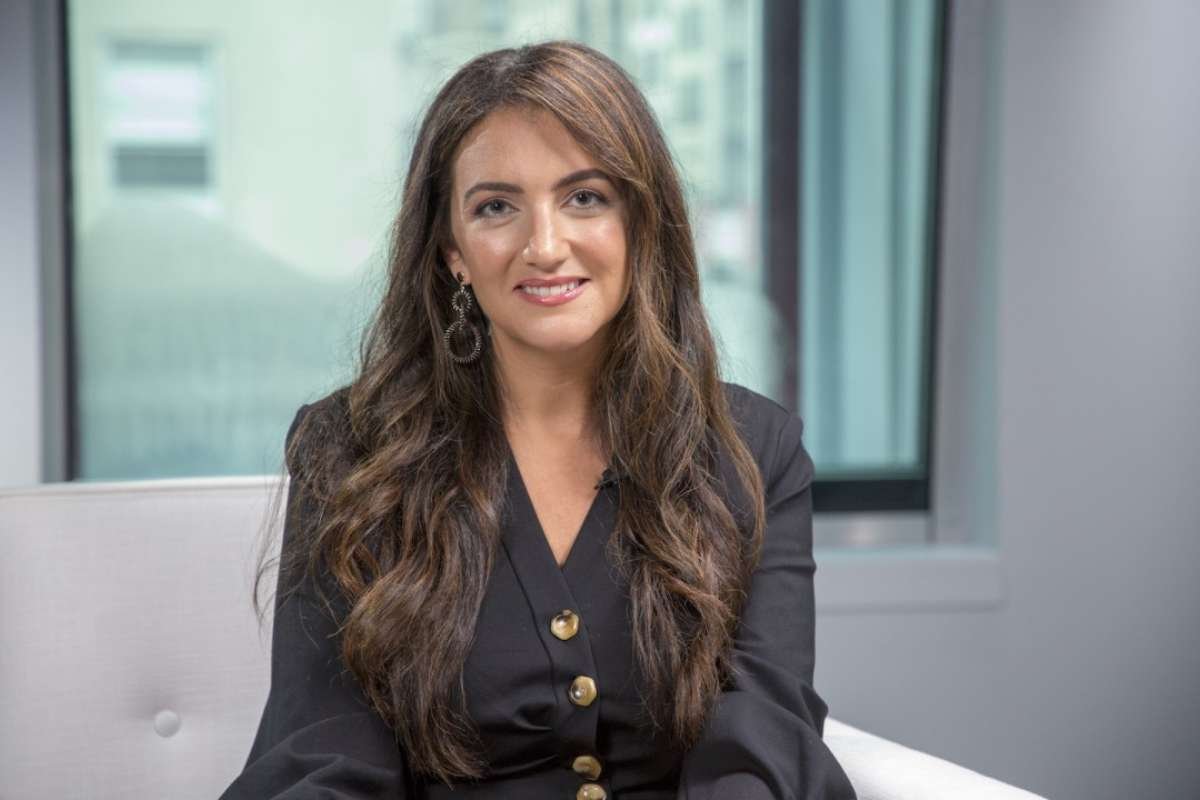
Jennifer Hyman looked at a simple problem: People want to wear expensive clothes, but not pay for them every time.
Buying a designer dress for one event feels wasteful. So she flipped the idea. Instead of ownership, she introduced access.
She built Rent the Runway, a platform where people can rent high-end fashion for a few days and return it. This changed how people see fashion.
What made her idea powerful?
- She challenged the belief that “owning is better than renting.”
- She made luxury more accessible
- She built a system around logistics, cleaning, and inventory
The deeper insight: Fashion was never just about clothes. It was about feeling confident without repeating outfits. She solved that emotional need.
- Lesson: Old habits are not always right. If something feels expensive, wasteful, or outdated, question it. That’s where new ideas begin.
7. Neil Blumenthal
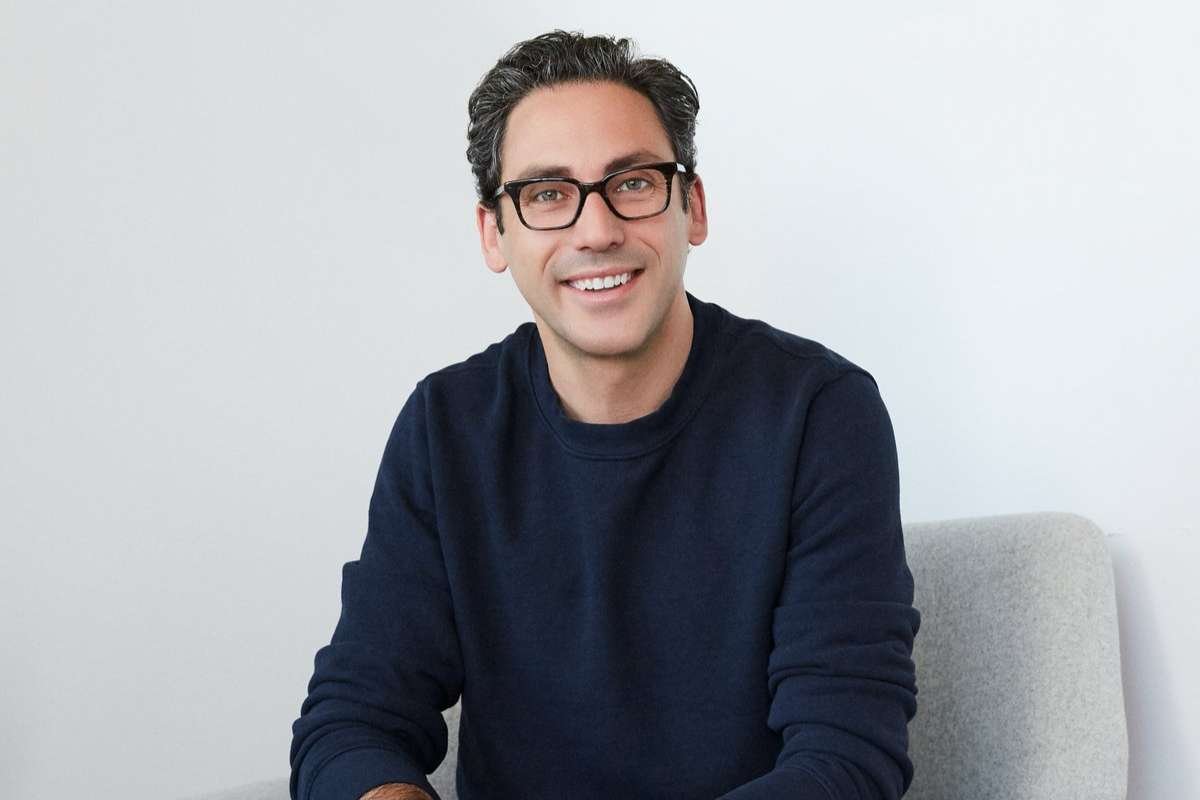
Neil Blumenthal, one of the most inspiring entrepreneurs in New York, saw something strange. Why are glasses so expensive when they don’t need to be?
Most eyewear brands relied on middlemen. Prices went up. Customers paid more. So he built Warby Parker with a simple idea: Design, produce, and sell directly.
No unnecessary layers. No inflated pricing.
What made it work?
- Direct-to-consumer model
- Home try-on program (try glasses before buying)
- Clean, modern branding
- Insight: People don’t want complexity. They want clarity, fair pricing, and convenience.
- Lesson: Simple ideas win. If you remove confusion and reduce cost, people will trust you faster.
8. John Foley
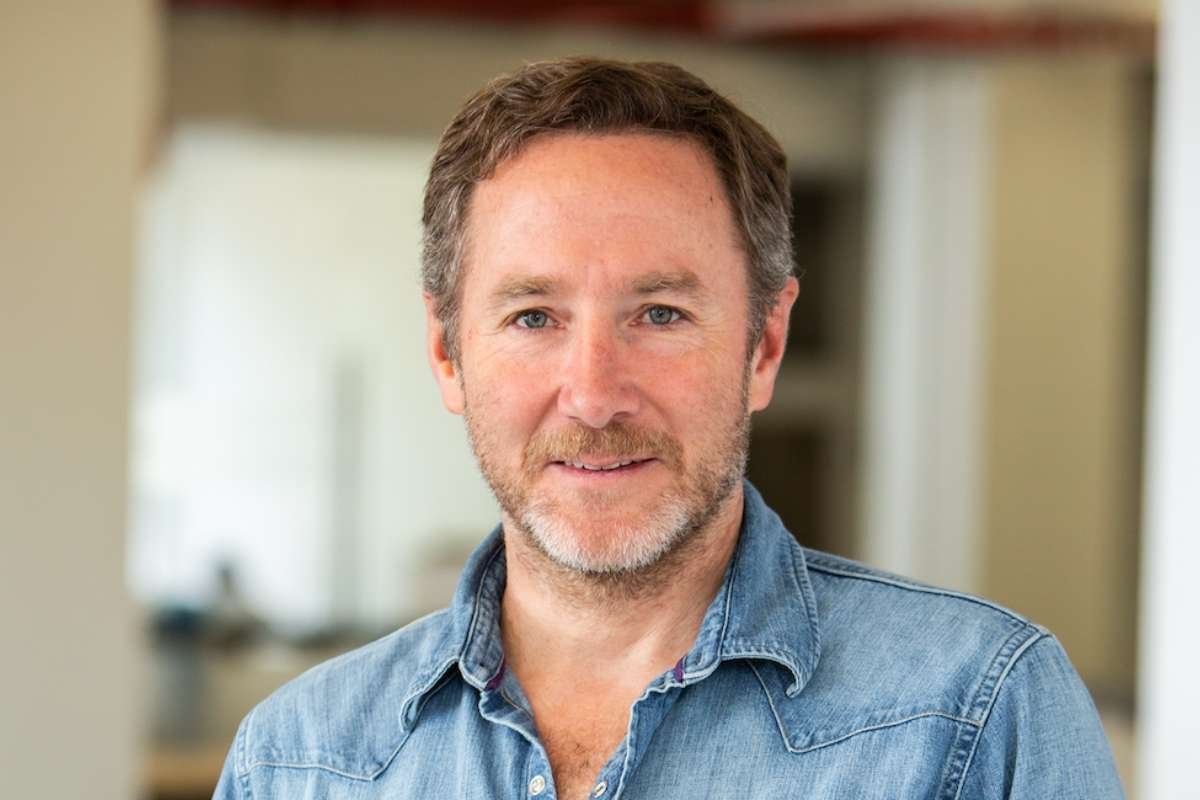
John Foley didn’t just build a fitness product. He built an experience.
He noticed a problem: People buy gym memberships… and then stop going.
So he asked: What if the gym came home, but still felt social and motivating?
That’s how Peloton was born.
A bike + live classes + instructors + community = a connected fitness system.
What made it different?
- Live and recorded classes.
- Real-time leaderboards
- Strong instructor personalities
- Community feeling from home
- Insight: People don’t quit workouts because of laziness. They quit because they feel alone and unmotivated.
- Lesson: Innovation happens when you mix worlds. Fitness + tech + media = something new.
9. Brian Chesky
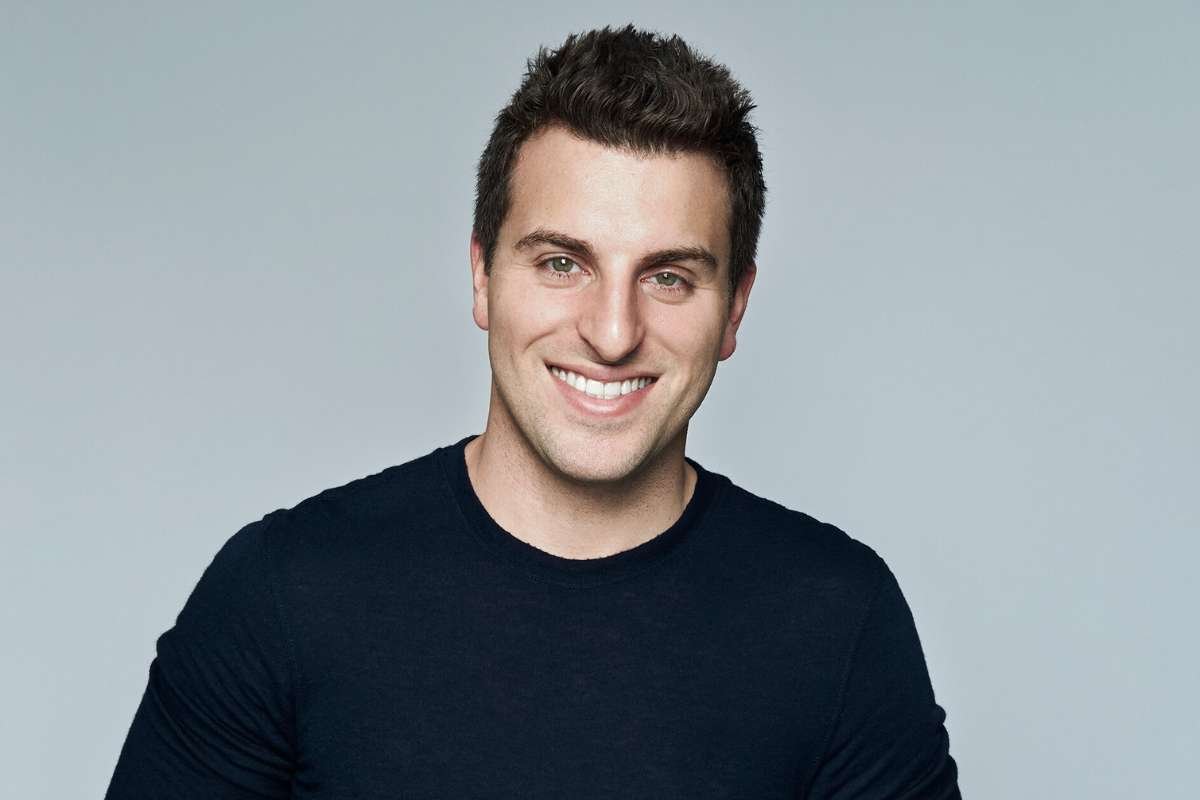
Brian Chesky, one of the most inspiring entrepreneurs in New York, built a company based on a risky idea: “Would you stay in a stranger’s home?”
At first, it sounded unsafe. Uncomfortable. Even weird.
But he focused on one thing: trust.
Through Airbnb, he created systems that made people feel safe:
- Verified profiles
- Reviews from real users
- Secure payments
- Clear communication
What made it work? He didn’t just build a platform. He built confidence between strangers.
- Insight: People are willing to try new things, but only when they feel safe.
- Lesson: Trust is everything. If people trust your product, growth becomes natural.
10. David Solomon
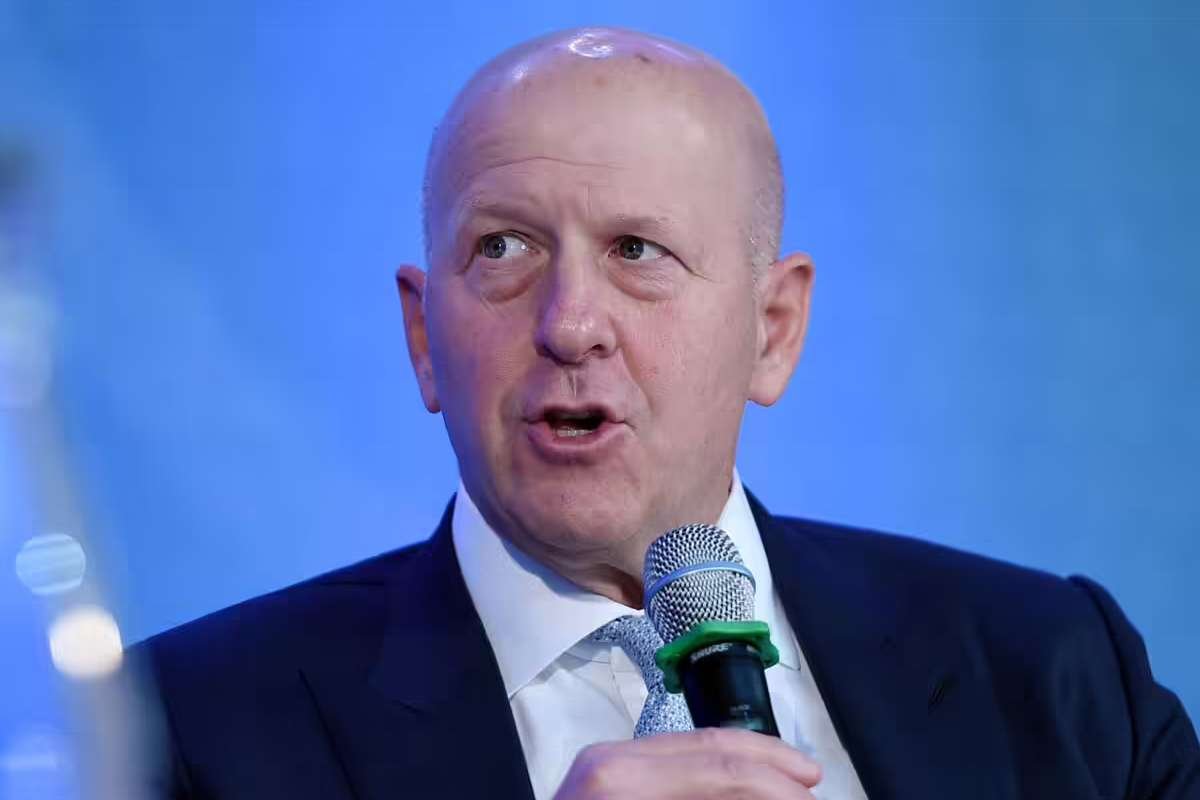
David Solomon leads one of the most traditional financial firms in the world, Goldman Sachs.
Now here’s the challenge: How do you modernize something that is already powerful and deeply rooted?
He didn’t try to break the system.
He evolved it.
What changes did he focus on?
- Expanded into digital banking
- Focused on technology and data
- Made leadership more flexible and open
- Balanced tradition with innovation
- Insight: Big companies don’t fail because they are weak. They fail because they refuse to change.
- Lesson: Even strong systems must adapt. Growth doesn’t stop after success.
Why New York Creates Strong Entrepreneurs?
New York is not easy. That’s exactly why it works. Here’s what makes it special:
- High competition pushes people to improve
- Fast pace builds decision-making skills
- Diverse industries create endless opportunities
- Networking happens everywhere, even in coffee lines
This is why Inspiring entrepreneurs in New York stand out globally.
Key Lessons from These Entrepreneurs
1. Start Before You Feel Ready: No one feels ready. Action creates clarity.
2. Solve Real Problems: Every successful business solves something meaningful.
3. Stay Consistent: Success is not one big moment. It’s a daily effort.
4. Adapt Fast: Markets change. People change. You must, too.
5. Build Strong Networks: In New York, your network often becomes your net worth.
These lessons explain why Inspiring entrepreneurs in New York keep rising every year.
Conclusion
New York does not hand out success. It tests you. Pushes you. Breaks your comfort zone.
But if you stay in the game, it also rewards you like no other place.
The stories of these Inspiring entrepreneurs in New York prove something simple:
You don’t need perfect timing. You need courage and consistency. So next time you feel stuck, ask yourself:
“If they can build in chaos, what’s stopping me?”
Maybe the answer is not outside. Maybe it’s just one bold step away.
FAQs
1. Why is New York popular for entrepreneurs?
A: New York offers access to capital, talent, and global markets, all in one place.
2. Can beginners succeed in New York?
A: Yes. Many successful founders started with small ideas and limited resources.
3. Which industries grow fastest in New York?
A: Tech, finance, fashion, media, and health startups are growing rapidly.
4. What is the biggest challenge?
A: High costs and competition. But they also build resilience.
5. What can we learn from Inspiring entrepreneurs in New York?
A: Take action, stay consistent, and adapt quickly. Those three things matter most.