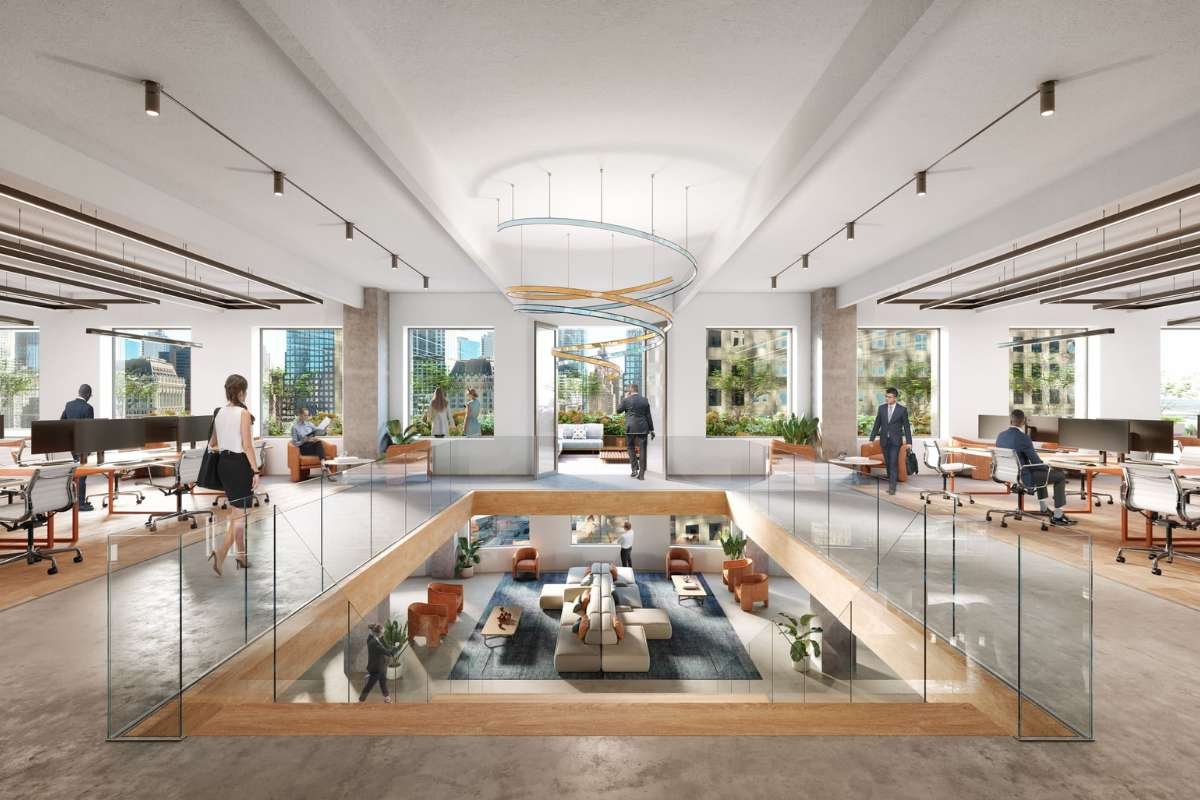
Manhattan remains one of the most powerful business hubs in the world. In 2026, its commercial real estate market is active again after a slow period.
The mix of retail and office space in Manhattan is changing. Offices are filling up, but companies want better buildings. Retail stores are coming back, but they look different now. More brands focus on experience, not just selling.
This shift is shaping hyperlocal business ecosystems across Manhattan. Each neighborhood has its own style, tenants, and demand.
Manhattan Office Market in 2026
The office market in Manhattan is getting stronger again. It is no longer falling. It is slowly growing.
In 2025, companies leased close to 40 million square feet of office space. This is the highest level seen since before the pandemic. It shows that businesses are coming back and making long-term plans again.
Vacancy rates are also improving. Around 13.6% to 15% of offices are empty across Manhattan. This is lower than before, showing steady recovery in retail and office space in Manhattan. Step by step, more spaces are getting filled.
This change is simple. More companies want people back in the office. They also want better spaces that help teams work together.
What Is Driving Office Demand
Several key factors are pushing demand higher in 2026.
1. AI and Tech Growth
Tech companies, especially AI firms, are growing fast. They need large offices for teams, labs, and operations, which is increasing demand for retail and office space in Manhattan.
In 2025, AI companies signed many big leases. This trend is still strong in 2026. These firms want modern spaces with strong internet, open layouts, and room to grow.
2. Finance and Law Firms
Banks and law firms still lead the market. They take some of the biggest office spaces in Manhattan.
These companies prefer top locations like Midtown. They want premium buildings that match their brand and client needs.
3. Return to Office Policies
Many large companies are asking workers to come back to the office. Some follow hybrid models, but office use is still rising. Teams need spaces to meet, plan, and work together.
This shift is helping fill empty offices and support steady demand.
Overall, the office market is not just recovering. It is changing. Companies now want better offices, not just more space.
Office Rent Trends
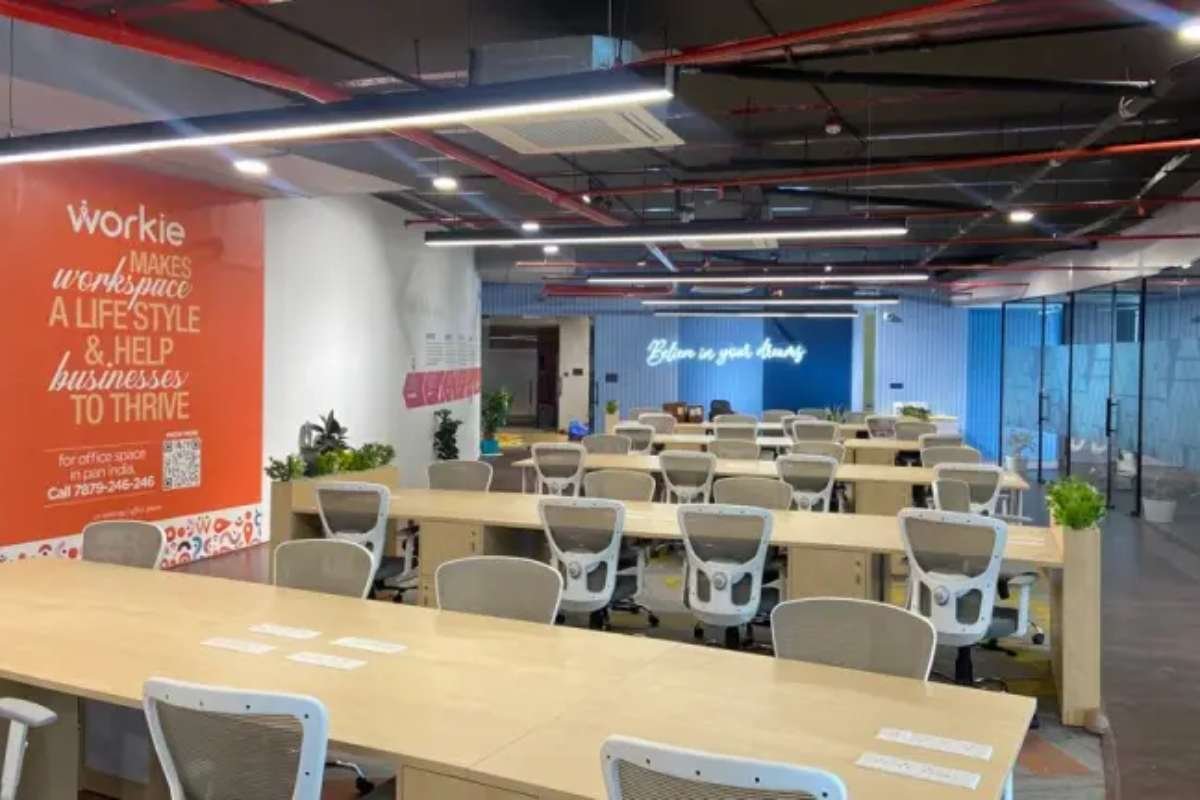
Office rents in Manhattan depend on two main things: location and building quality. This is a key part of how retail and office space in Manhattan is priced today. Newer and better buildings cost more, while older ones cost less but are often harder to fill.
Here is a simple view of average rents in 2026:
| Type of Office | Average Rent (2026) |
| Premium (Class A) | $100–$200+ per sq ft |
| Standard Offices | $50–$80 per sq ft |
| Older Buildings | $40–$70 per sq ft |
Top buildings in prime areas can go even higher. Some deals now cross $200 per square foot, especially in new towers with top amenities.
At the same time, not all offices perform the same.
- High-quality buildings are filling up fast
- Older buildings still have empty space
This has created what many call a split market.
In simple terms, good buildings are in high demand, while older ones struggle. Companies today care more about comfort, design, and location. They are willing to pay more for the right space.
This trend is shaping how retail and office space in Manhattan is priced and used in 2026.
Retail Space in Manhattan: A Strong Comeback
Retail in Manhattan is getting stronger again in 2026. Streets feel busy. Stores are open. People are out shopping, eating, and spending time in the city.
Foot traffic is rising across key areas like Midtown and SoHo. More workers are back in offices, and tourists are visiting again. This is helping local shops and big brands alike.
Retail vacancy is also going down. Empty stores are slowly being filled. Many streets that once looked quiet now feel active again.
What Is Changing in Retail
Retail is not just about selling anymore. It is about experience.
Businesses now focus on:
- Experience-driven stores
- Food, fitness, and lifestyle brands
- Smaller, more efficient spaces
For example, restaurants and food halls are growing, fitness stores are expanding, and tech brands are opening large flagship stores.
In Midtown, retail recovery is strong. In some areas, vacancies have dropped by nearly 19%, showing steady demand.
Retail Rent Trends
Retail rents in Manhattan depend a lot on location. Busy and premium streets cost more, while growing areas offer better value.
Here is a simple view:
| Area | Rent Trend |
| SoHo / Madison Ave | Rising fast |
| Fifth Avenue | Premium and stable |
| Times Square | Mixed demand |
| Financial District | Affordable and growing |
Prime retail streets saw strong rent growth in 2025 and 2026. High foot traffic and strong brands are pushing prices up, especially in key retail and office spaces in Manhattan locations.
At the same time, large retail spaces are still harder to fill. Many businesses now prefer smaller stores that are easier to manage and cost less.
This shows a clear shift. Location still matters most, but size and smart planning matter more than before.
Key Neighborhoods Driving Growth
Different parts of Manhattan are growing in different ways. Each area supports the wider business ecosystem.
1. Midtown Manhattan
Midtown is the main business center. It has a strong demand for office space, especially from large companies. Retail is also improving as more workers return and streets get busier.
2. Financial District (FiDi)
FiDi offers lower office rents compared to Midtown. This makes it attractive for startups and flexible workspaces. More office buildings are also being turned into homes, bringing more people to the area.
3. SoHo
SoHo is known for high-end retail. Luxury brands continue to expand here. The area has strong foot traffic, which helps stores perform well.
4. Midtown South
Midtown South is popular with tech and creative firms. Offices here are more flexible and modern. The area also supports mixed-use growth, with offices, retail, and living spaces close together.
Each of these neighborhoods plays a key role in shaping retail and office space in 2026.
New Trends Shaping the Market

The market for retail and office space in Manhattan is changing in clear ways. Businesses are thinking more about quality, flexibility, and experience.
1. Flight to Quality
Companies now want better buildings, not just more space. They look for:
- Modern design
- Energy-efficient systems
- Flexible layouts
Because of this, newer buildings are in high demand. Older buildings are being upgraded or changed into new uses.
2. Flexible Workspaces
Flexible offices are growing fast. Many companies now prefer:
- Smaller office spaces
- Shorter lease terms
- Shared work environments
Coworking and hybrid setups make it easier for startups and small businesses to enter Manhattan without high costs.
3. Office-to-Residential Conversions
Some older office buildings are being turned into housing. This shift is changing how retail and office space in Manhattan is used:
- Reduces empty office space
- Brings more people to live in the area
- Supports nearby shops and restaurants
More residents mean more daily activity for local businesses.
4. Experiential Retail
Retail is becoming more interactive. Stores are designed to attract and engage people.
Common examples include:
- Showrooms where customers try products
- Tech demo stores
- Lifestyle-focused spaces
Brands want people to visit, spend time, and connect, not just make quick purchases.
Challenges in 2026
Even with steady growth, the market still faces a few clear challenges.
1. High Costs: Manhattan remains one of the most expensive places to do business. Companies must deal with:
- High rents
- High operating costs
This makes it hard for small businesses to enter or expand.
2. Uneven Recovery: Not every part of Manhattan is growing at the same pace. This gap is clear across retail and office space in Manhattan.
- Prime locations are strong and filling up fast
- Older or less central areas still struggle with empty spaces
This gap is still visible across the city.
3. Large Space Vacancies: Big spaces are harder to lease today.
- Large retail stores are in less demand
- Older office buildings remain partly empty
Many businesses now prefer smaller, flexible spaces, leaving bigger units harder to fill.
What This Means for Businesses

If you plan to enter Manhattan in 2026, your approach matters more than ever. The retail and office space in Manhattan market rewards clear and practical choices.
For Office Space
Focus on quality, not size. A smaller, well-designed office can work better than a large, outdated one.
- Choose modern buildings with good amenities
- Look at Midtown or Midtown South for strong demand and access
- Consider flexible leases to reduce risk
For Retail Space
Retail success now depends on experience and location.
- Focus on stores that attract and engage people
- Pick areas with high foot traffic
- Start small, test the market, and grow over time
The retail and office space market is competitive in Manhattan, but it offers strong opportunities for businesses that plan smart and stay flexible.
Conclusion
Retail and office space in Manhattan in 2026 is active and steadily improving. Office demand is rising again, driven by AI firms, finance companies, and more people returning to work in person. Vacancy rates are going down, and the best buildings are filling up first. At the same time, retail is seeing more foot traffic, with people shopping, dining, and spending more time in the city.
The biggest shift is clear. Businesses now care more about quality, experience, and location than just size. Modern offices, flexible spaces, and engaging retail stores are leading the way. This change is helping Manhattan stay strong and competitive, while supporting its growing local business ecosystems.