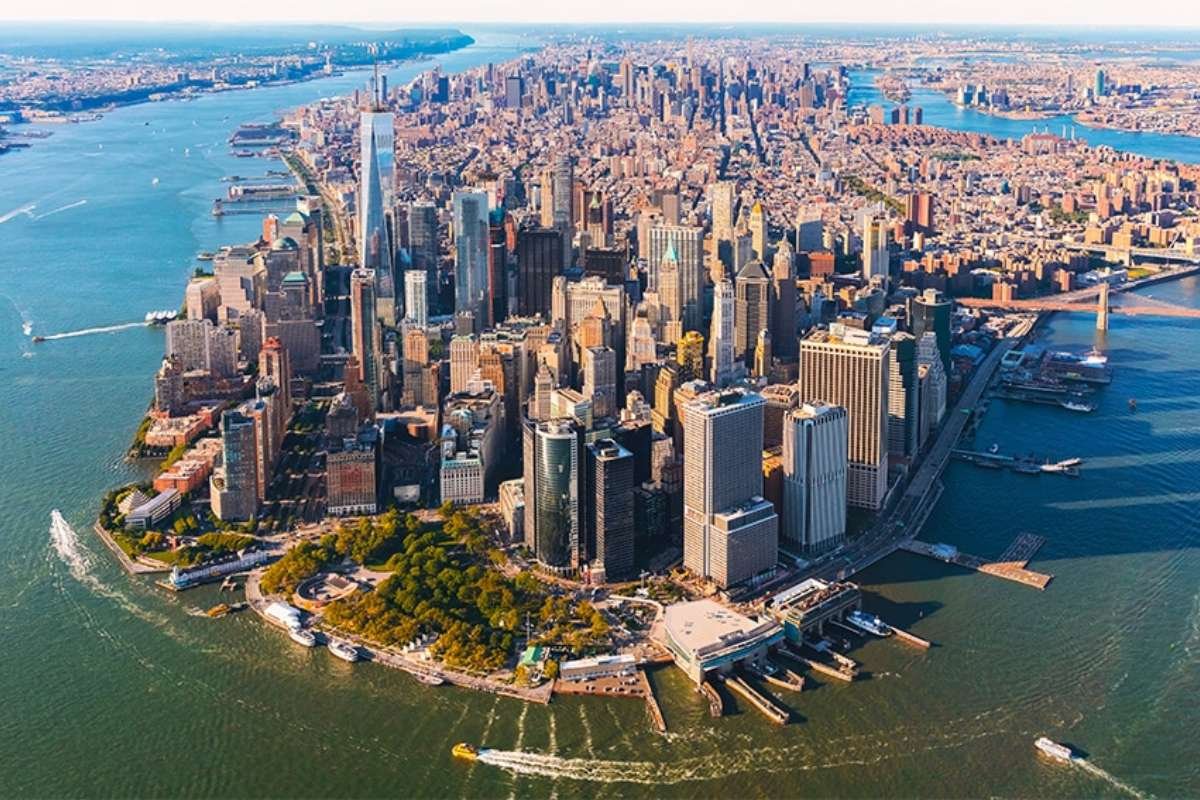
The Manhattan financial district economy is one of the most powerful business systems in the world. It sits in Lower Manhattan, where Wall Street runs the show.
In 2026, the area feels busy again. Offices are filling up after a slow period. Big deals are coming back. New tech and AI firms are also taking space, helping bring fresh energy to the streets.
This part of the city is not just about banks. It is where global money moves every day. What happens here can affect markets around the world.
In this blog, you will learn how the Manhattan financial district economy works today, what is helping it grow, and what could shape its future.
Why the Financial District Still Matters?
Lower Manhattan is not just another business area. It is a global money center where big financial decisions are made every day.
This is where the New York Stock Exchange operates. It is also home to some of the world’s biggest banks and investment firms. Money moves through this area all the time, linking markets across countries.
What happens here does not stay here. It can affect prices, jobs, and investments around the world.
Manhattan alone produced about $1 trillion in GDP in recent years. That makes it one of the richest economic areas in the United States.
At the heart of all this is finance. The financial sector drives the local economy. It creates jobs, brings in tax money, and supports many other businesses across the city.
Without it, New York would not be the same.
Key Economic Data (2025–2026)
Here is a quick look at the numbers shaping the Manhattan financial district economy today:
| Indicator | Latest Data |
| Wall Street profits | Could exceed $60 billion (2025) |
| Securities jobs | About 200,000 workers |
| Average bonus | Around $247,000 |
| City tax share | About 8.4% from the securities sector |
| NYC GDP contribution | Around $1.05 trillion |
Finance still drives the city’s economy. Small changes on Wall Street can ripple across jobs and businesses.
The numbers show it clearly. The securities industry brought in about $6.7 billion in city tax revenue in 2025, marking a strong rebound.
When Wall Street grows, New York grows with it.
What Drives the Manhattan Financial District Economy?
1. Finance and Wall Street
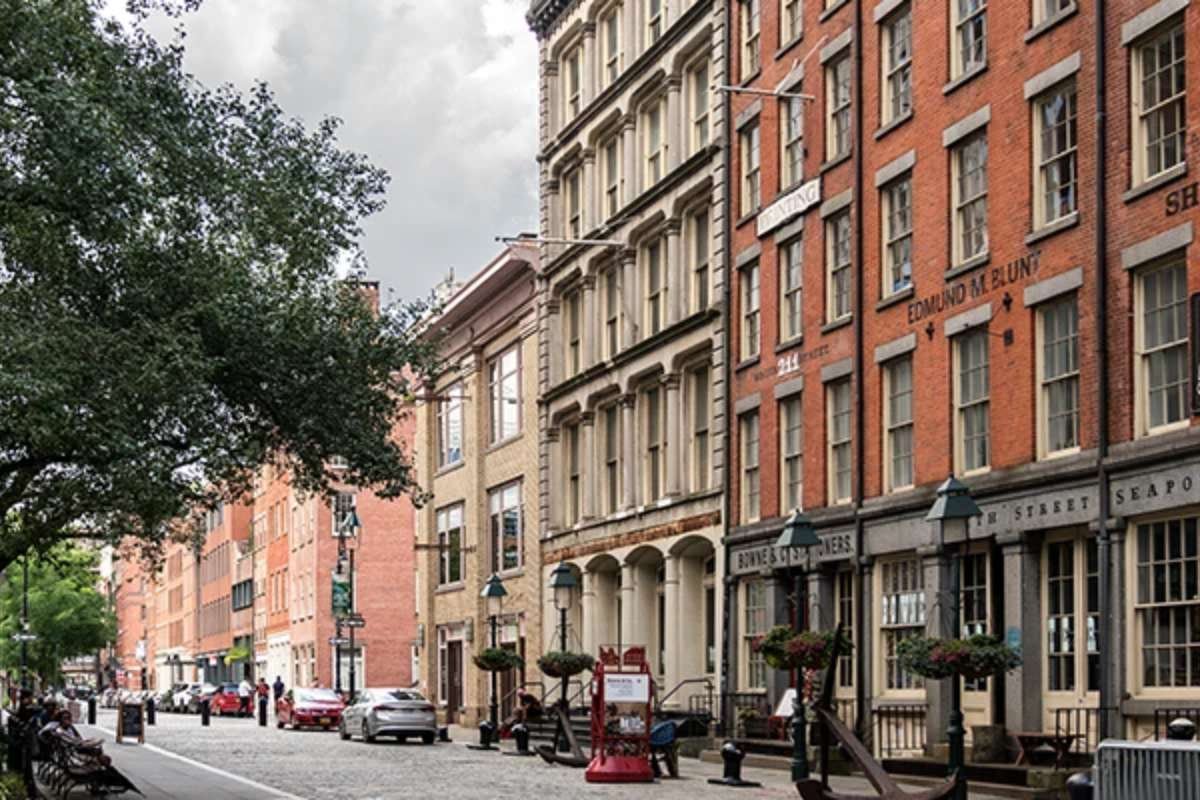
Finance is the main engine of Lower Manhattan. The area is home to investment banks, hedge funds, and trading firms that handle large volumes of money every day. Activity has picked up again, with Wall Street profits expected to cross $60 billion in 2025. This steady flow of deals and trading supports spending across the city, especially in real estate and retail.
2. High-Paying Jobs
The Manhattan financial district economy is known for high-paying roles that attract talent from across the country. Salaries are strong, and bonuses remain a major part of total income. Around 200,000 people work in securities jobs in New York City, many of whom commute into this area daily. Their spending helps nearby businesses like restaurants, transport services, and local shops.
3. Tax Revenue Impact
This sector plays a key role in funding the city. A large share of New York City’s tax revenue comes from financial firms and their employees. About 8.4% of total taxes are linked to the securities industry alone. This income supports public services such as transport systems, schools, and infrastructure projects.
4. Global Capital Hub
Lower Manhattan is one of the world’s most connected financial hubs. It plays a major role in stock trading, investment deals, and global capital flows. Markets across the US, Europe, and Asia are linked through this network. This global reach helps the area stay stable and relevant, even during periods of uncertainty.
New Trends in 2026
1. Rise of AI and Fintech
The Manhattan financial district economy is becoming more tech-driven. AI is now part of trading, data analysis, and risk checks, making systems faster and more precise. At the same time, fintech startups are moving into the area, blending finance with technology and bringing new momentum.
- AI is improving trading speed and decision-making
- Fintech firms are expanding and setting up local offices
2. Office Space Is Changing
Work patterns have shifted, and companies are adjusting how they use office space. Hybrid work is now common, so offices are being redesigned for teamwork rather than daily desk use. Older buildings are also being upgraded to stay relevant.
- Offices are smaller but built for collaboration
- Demand stays stable due to the need for in-person work
3. Tourism and Local Business Return
Lower Manhattan is getting busy again as visitors return. The area is no longer just about finance, with more activity on the streets and in local businesses. This helps create a more balanced and active environment.
- Restaurants and shops are seeing steady foot traffic
- Tourism is supporting small and local businesses
4. Diversification Beyond Finance
The district is slowly adding new industries alongside finance. Media, tech, and professional services are becoming more visible, helping the area grow in different ways.
- New sectors are creating a broader job base
- The economy becomes less dependent on finance alone
Challenges Facing the Financial District
- Global Uncertainty
Interest rates, global tensions, and market swings can shift financial activity quickly. These changes can slow trading, deals, and investor confidence. - Remote Work Pressure
Hybrid work means some firms need less office space. This reduces demand for buildings and daily foot traffic in the area. - Rising Costs
Operating in Lower Manhattan is expensive for both firms and workers. High rents and wages can push some companies to look at other cities. - Competition from Other Cities
Cities like London, Singapore, and Hong Kong are strong financial hubs. They compete for talent, capital, and global business. - Market Dependence on Finance
The local economy relies heavily on the financial sector. If finance slows down, it can impact jobs, taxes, and nearby businesses.
How It Compares to Other NYC Business Areas?
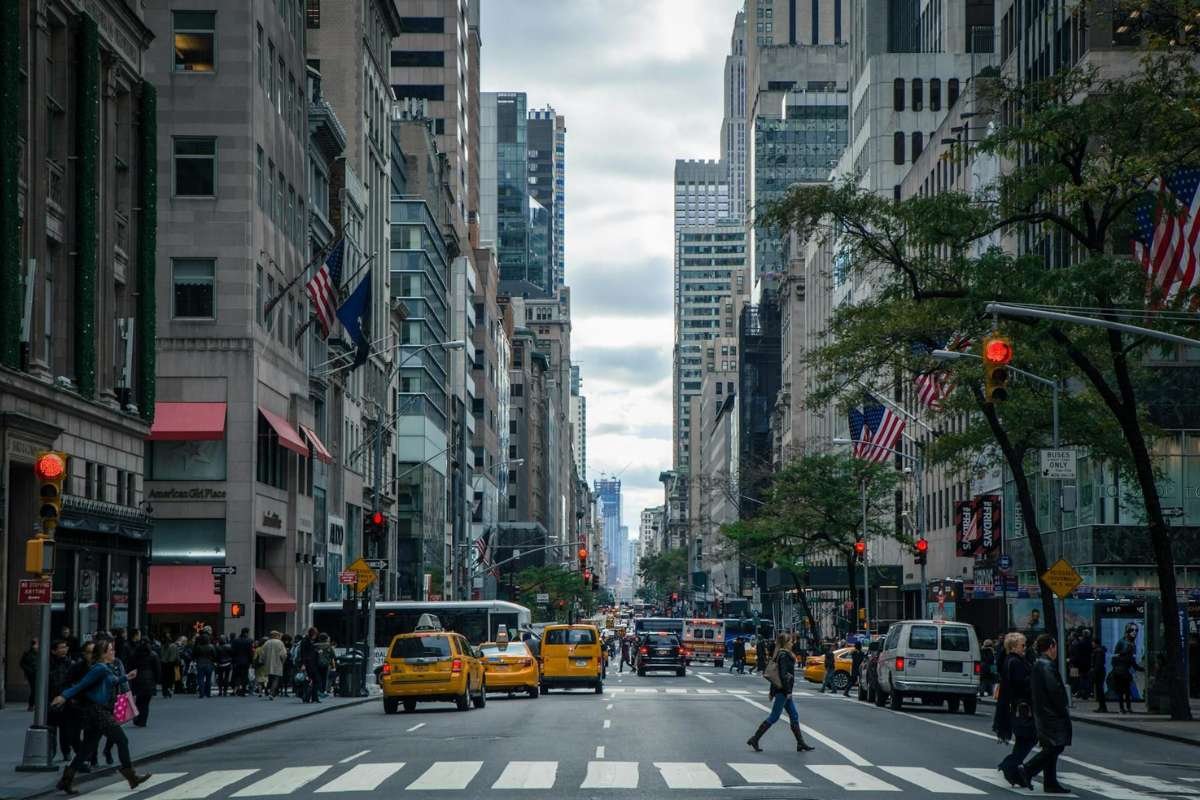
Each part of New York City has its own business strength. Here is how the financial district compares to other key areas:
| Area | Main Strength |
| Financial District | Finance, banking |
| Midtown Manhattan | Corporate offices, media |
| Brooklyn | Startups, creative economy |
While Midtown leads in large offices and media, and Brooklyn grows in startups and creative work, Lower Manhattan plays a different role.
The Manhattan financial district economy stands out because it connects global markets. Its influence goes beyond the city, shaping finance at a worldwide level.
Future Outlook for 2026 and Beyond
The outlook remains steady. Finance will continue to lead, while tech grows alongside it and offices adapt to hybrid work.
- Finance stays strong
It will remain the main driver of jobs and profits. - Tech keeps growing
AI and fintech will bring new firms and roles. - Workspaces evolve
Offices will focus more on flexibility and collaboration.
New York City makes up a large share of the state’s GDP, so the financial district will stay important in the years ahead.
Conclusion
The Manhattan financial district economy in 2026 is active, stable, and moving forward. Finance remains at the center, driving profits, jobs, and a large share of the city’s tax revenue. Wall Street continues to shape not just New York, but global markets as well.
At the same time, the district is evolving. New trends like AI and fintech are changing how firms operate, making systems faster and more efficient. Hybrid work is also reshaping office spaces, with companies focusing more on flexible and collaborative environments. These shifts show that the area is not standing still but adjusting to modern needs.
What makes Lower Manhattan stand out is its unique mix of finance, people, and global connections. Money flows through this district every day, linking markets across continents. It also supports thousands of businesses beyond finance, from retail to services. This balance of tradition and change is what keeps the district strong and relevant.
As a result, it continues to be one of the most important business ecosystems in the world.