

What if your boss walked into the office and said, “Let’s do something no one has tried before”?
You would either feel excited… or start updating your resume.
That is the difference between a regular leader and a Visionary leaders in business. They do not just follow trends. They create them. They see opportunities where others see confusion. They take risks that look crazy at first but make perfect sense later.
Think about it. Someone once believed people would shop online without touching products. Someone thought electric cars could beat petrol cars. Someone decided coffee could be sold at five times the price just for the experience.
Sounds strange, right? Yet, all of this is normal today.
That is the power of Visionary business leaders. They think ahead, act fast, and stay strong when people doubt them. This article breaks down what makes them special, who they are, and what you can learn from them.
What Makes Visionary Leaders in Business Different?
Visionary leaders do not just manage teams. They shape the future. Here is what sets them apart:
1. They Think Long-Term: They do not chase quick wins. They build for the next 10–20 years.
2. They Take Smart Risks: They understand failure is part of success. They take calculated risks, not blind jumps.
3. They Simplify Big Ideas: They turn complex problems into simple solutions people can use.
4. They Inspire People: Their vision attracts talent, investors, and customers.
5. They Stay Consistent: They keep going even when results take time.
These traits define Visionary leaders in business across industries.
Top 10 Visionary Leaders in Business in NYC (New York)
1. Jamie Dimon

Age: 69 | Company: JPMorgan Chase
Jamie Dimon walked into tough boardrooms when markets were shaking, and fear was high. He stayed calm and focused on long-term stability instead of short-term panic. He believed that clear thinking beats emotional decisions every time.
His steady approach helped his company survive crises that broke others. People trusted his leadership because he spoke simply and acted quickly. He showed that strong systems matter more than quick wins. His story reflects how Visionary business leaders stay strong when everything feels uncertain.
- Focus on stability over hype
- Strong risk management mindset
- Clear and simple decision-making
2. David Solomon
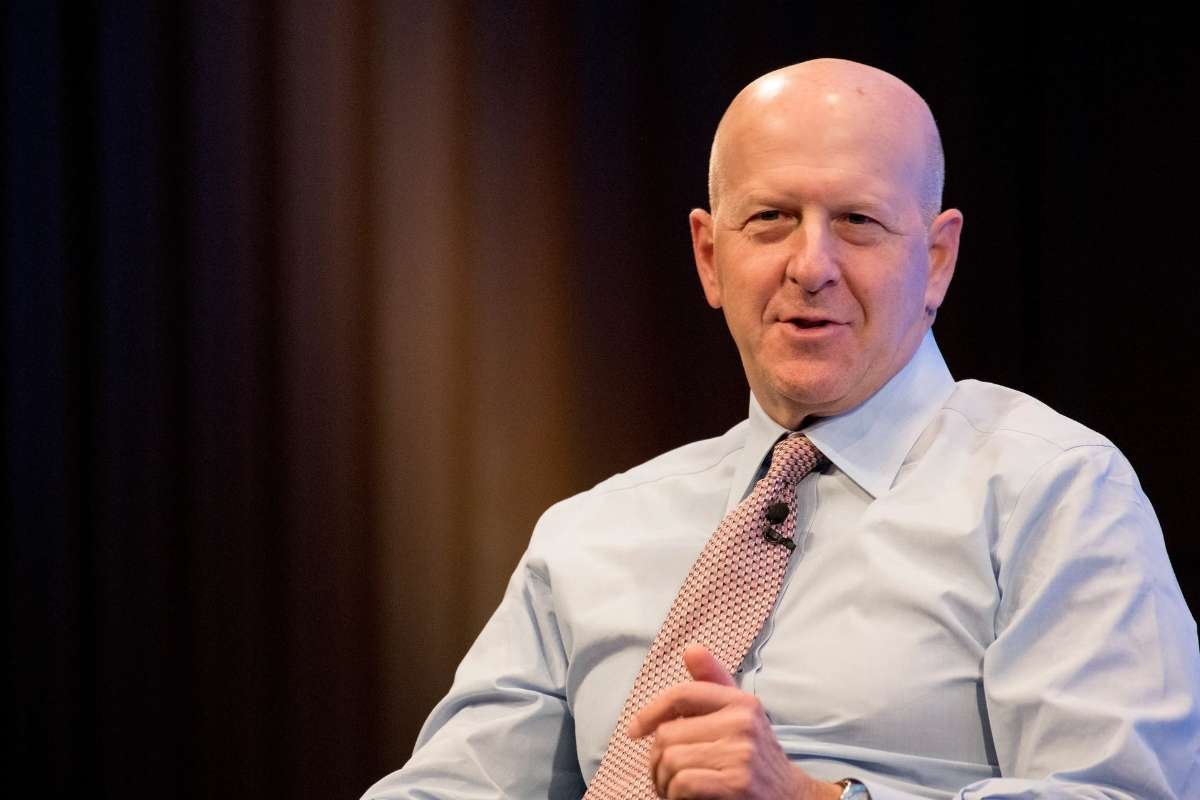
Age: 63 | Company: Goldman Sachs
David Solomon did not want finance to feel boring or outdated. He brought energy, creativity, and a fresh mindset into a traditional industry. While others focused only on numbers, he looked at customer experience and digital growth.
He pushed his company toward modern banking solutions. He also understood that culture shapes performance. His leadership made finance feel more human and future-ready. His journey shows how Visionary leaders in business mix logic with creativity.
- Push for digital transformation
- Balance finance with creativity
- Build a strong company culture
3. Bob Iger
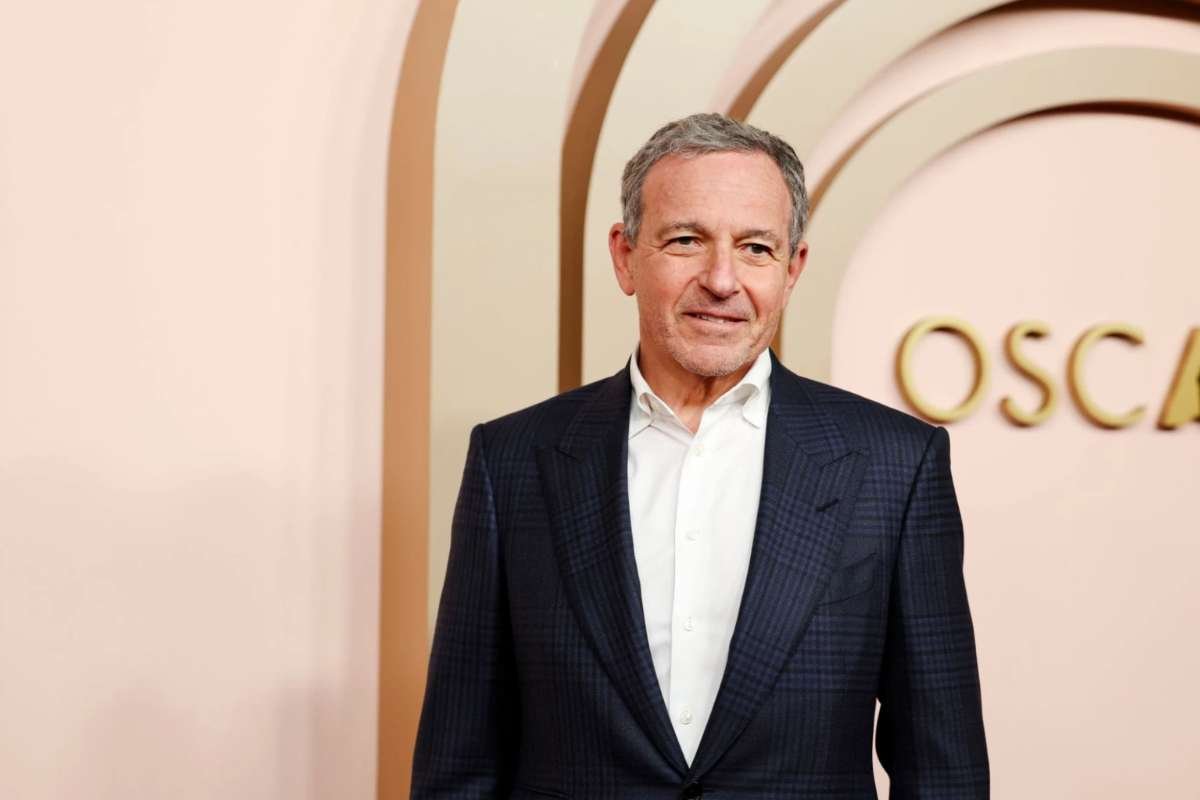
Age: 75 | Company: The Walt Disney Company
Bob Iger saw stories not just as entertainment but as powerful global assets. He made bold moves by bringing brands like Marvel and Pixar under one roof. Many doubted those expensive decisions at first. Yet, he trusted his vision and focused on long-term value.
He believed great storytelling builds emotional connection with people. His leadership turned Disney into a global powerhouse. His journey proves that Visionary business leaders see value where others see risk.
- Invest in strong storytelling
- Take bold acquisition decisions
- Focus on long-term brand value
4. Mary Barra

Age: 63 | Company: General Motors
Mary Barra stepped into a traditional auto company and chose not to follow the old path. She looked ahead and saw electric vehicles shaping the future. She pushed for innovation even when the shift felt risky, reflecting why Visionary leaders in business often move before markets fully shift. Her focus stayed on sustainability and cleaner technology.
She worked to change not just products but the entire mindset of the company. Her leadership shows courage in transforming legacy systems. She proves that Visionary business leaders adapt before change becomes urgent.
- Lead shift to electric vehicles
- Focus on sustainability
- Transform traditional industries
5. Stephen Schwarzman
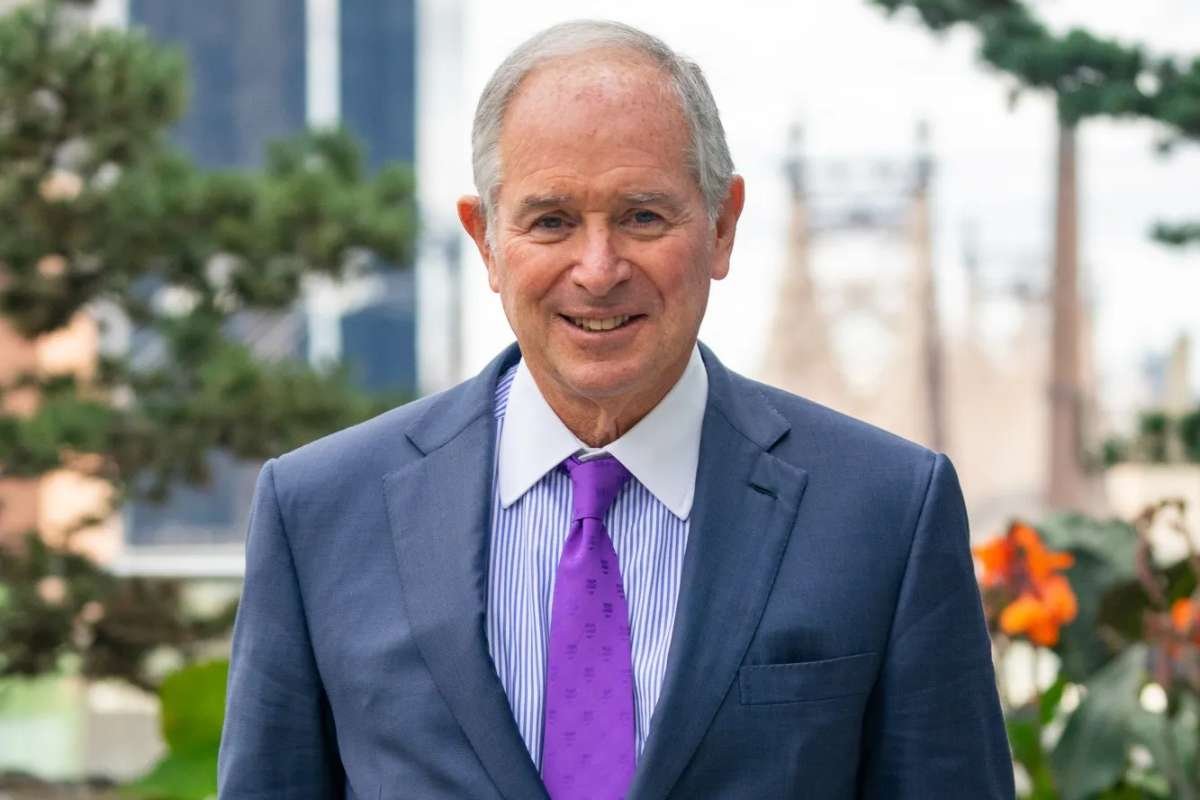
Age: 78 | Company: Blackstone
Stephen Schwarzman started with a vision to build something global, not local. He focused on smart investments and long-term growth strategies. He studied markets deeply before making moves. He believed in thinking beyond borders and industries. His firm grew into one of the largest investment companies in the world. He stayed disciplined and avoided emotional decisions. His story highlights how Visionary business leaders think big and act wisely.
- Focus on global expansion
- Make data-driven investment decisions
- Build long-term financial strategies
6. Brian Chesky

Age: 43 | Company: Airbnb
At a time when hotels ruled travel, Brian Chesky saw empty rooms as hidden opportunities. He and his friends rented out air mattresses in their apartment to earn extra money. People laughed at the idea of strangers staying in someone’s home.
But Chesky believed in trust, community, and simple human connection. Slowly, that small idea turned into a global travel platform. Today, millions choose homes over hotels because of his vision. His journey shows why Visionary leaders in business often look strange at first.
- Started with a simple need: extra rent money
- Built trust in a completely new concept
- Focused on user experience and design
7. Marc Benioff
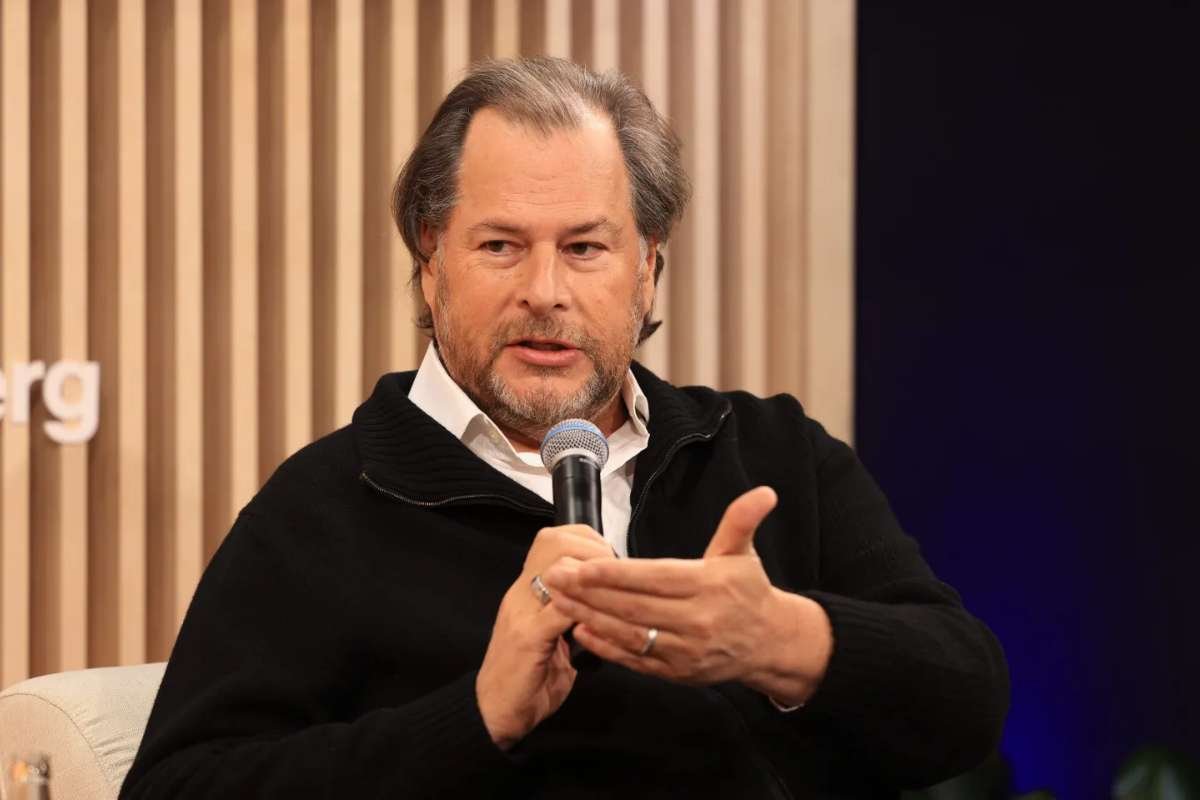
Age: 60 | Company: Salesforce
Marc Benioff built a cloud-based software empire. He focuses on innovation and social impact. His leadership shows that business success and social responsibility can go together. Marc Benioff did not follow the old software rules.
He imagined a world where software lives on the internet, not on computers. Many doubted this cloud idea in the early days. But he stayed firm and built Salesforce step by step. He also believed companies should give back to society. His “1-1-1 model” supports education and communities.
Today, Salesforce leads the cloud industry with purpose.
- Pioneered cloud-based software services
- Combined business growth with social impact
- Focused on constant innovation
8. Ruth Porat
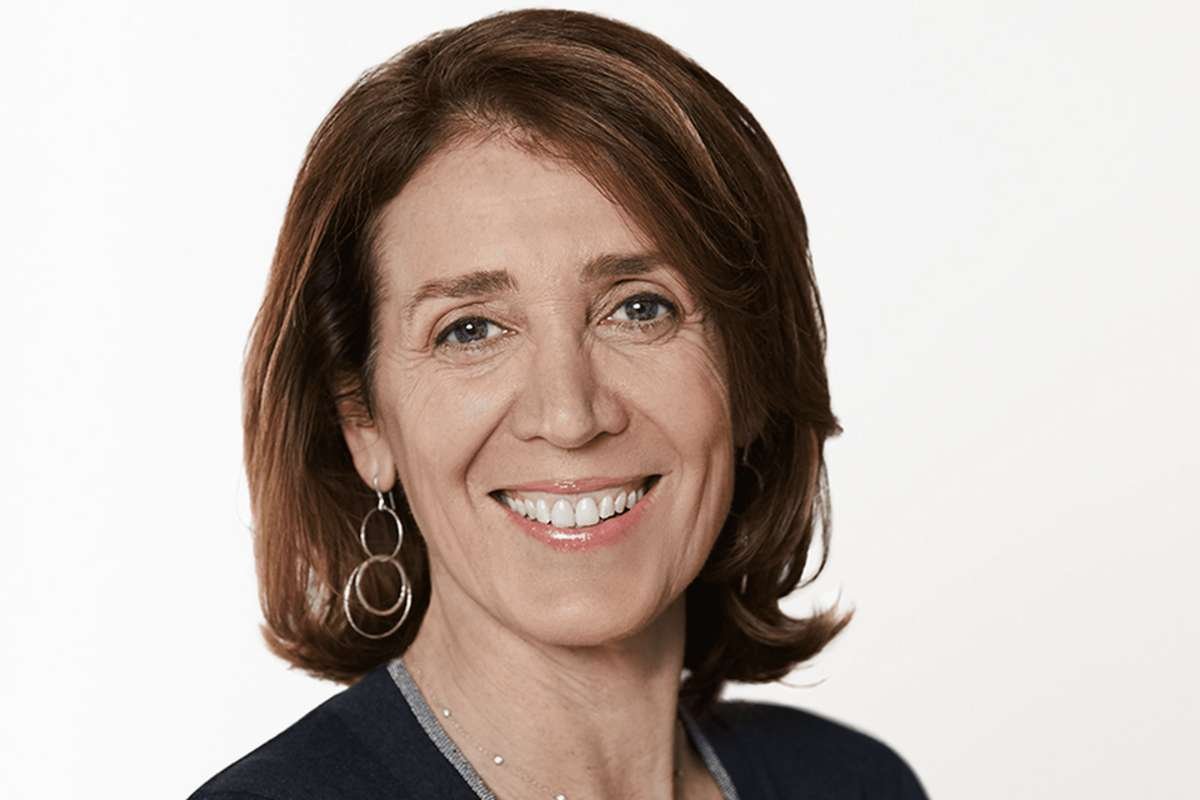
Age: 67 | Company: Alphabet
Ruth Porat stepped into a fast-growing tech world with a clear mission. She brought financial discipline to a company full of big ideas. While others chased rapid growth, she focused on smart growth. She ensured every investment made long-term sense.
Her decisions helped Alphabet stay strong and stable. She balanced innovation with careful planning. Her leadership shows that numbers can guide big dreams.
- Strengthened financial strategy at Alphabet
- Focused on sustainable and long-term growth
- Balanced risk with smart decision-making
9. Reed Hastings
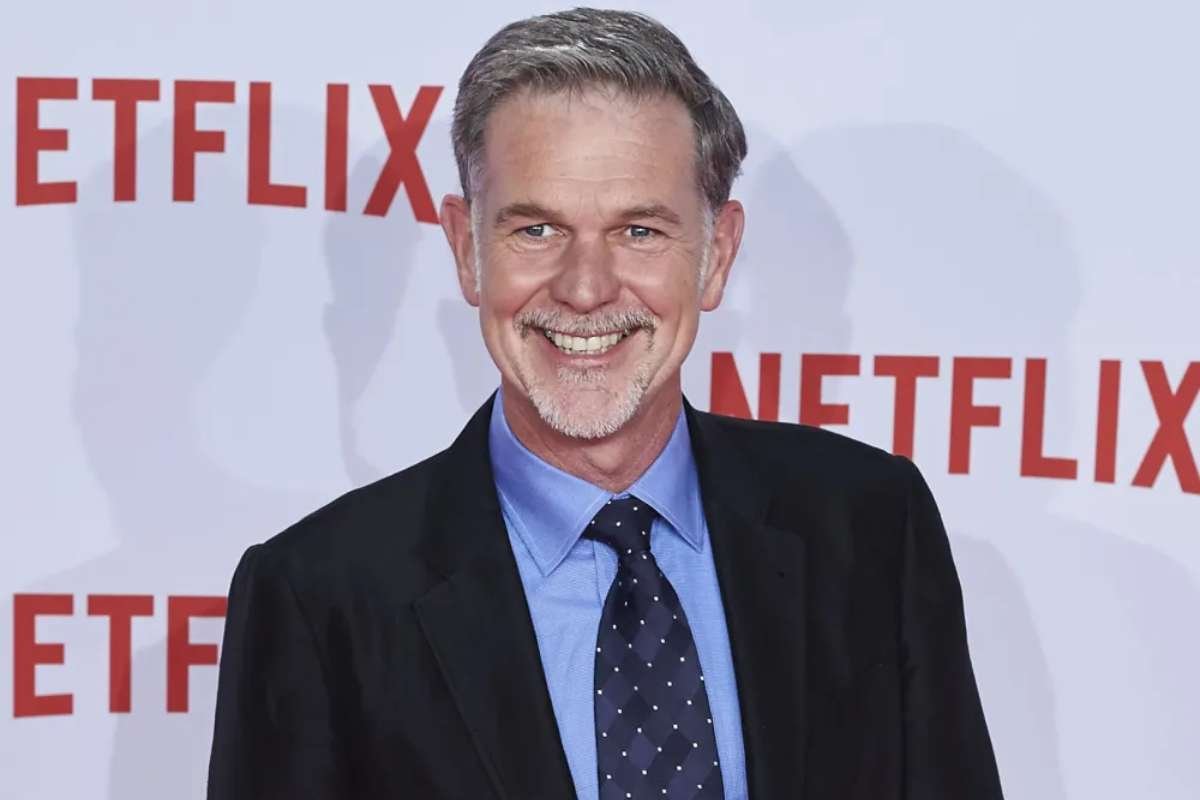
Age: 64 | Company: Netflix
Reed Hastings once paid a late fee for a DVD, and that small moment sparked an idea. He started Netflix as a DVD rental service by mail. But he did not stop there. He saw the future in streaming before the world was ready.
Many doubted that people would watch shows online. He still moved forward with confidence. Today, Netflix is a global entertainment giant.
- Shifted from DVDs to streaming early
- Took risks before trends became obvious
- Focused on convenience and user choice
10. Sara Blakely

Age: 54 | Company: Spanx
Sara Blakely started with a simple problem and no business background. She wanted comfortable shapewear that actually worked. With just a small investment, she created her first product.
She faced rejection from many manufacturers. But she did not give up on her idea. She trusted her instincts and kept going. Today, Spanx is a billion-dollar brand built on simplicity.
- Started with personal savings and a clear problem
- Turned rejection into motivation
- Focused on practical and simple solutions
Key Lessons from Visionary Leaders
Think Big but Start Small: Many leaders began with simple ideas.
Stay Curious: They keep learning and adapting.
Focus on Value: They solve real problems for real people.
Build Strong Teams: Success never happens alone.
Stay Patient: Big results take time.
These lessons reflect the mindset of Visionary business leaders.
Conclusion
Remember that boss who wanted to try something new? Maybe they were not crazy. Maybe they were just ahead of time. That is the story of Visionary leaders in business. People doubt them first. Then people follow them.
Their journey teaches one simple truth. Safe choices build comfort. Bold choices build the future. So next time you have a strange idea, do not ignore it. It might just be the start of something big.
FAQs
1. Who are visionary business leaders?
A: They are leaders who think ahead, take risks, and create new paths for growth.
2. Why are visionary leaders important?
A: They help businesses grow, adapt, and stay competitive.
3. Can anyone become a visionary leader?
A: Yes. With the right mindset, learning, and patience, anyone can develop this skill.
4. What skills do visionary leaders need?
A: Strong thinking, decision-making, creativity, and communication.
5. Are visionary leaders always successful?
A: No. They face failures, but they learn and improve quickly.