Success used to look simple. Study hard. Get a job. Climb the ladder. Retire.
Now? That ladder is gone. Someone turned it into a startup and sold it.
Welcome to a world where a 25-year-old can build a company from a laptop, raise millions, and still forget to reply to emails. Strange? Yes. Exciting? Even more.
The real question is not who will succeed. It is who is already winning while the world is still catching up.
That is where the emerging business leaders 2026 come in. These are not just people with big ideas. They are people who act fast, fail fast, and still move forward faster than most.
They do not wait for permission. They build their own doors. Then they sell the doors.
So, who are these people? What makes them different? And what can you learn from them before everyone else starts talking about them?
Let’s get into it.
What Defines Emerging Business Leaders Today?
The new wave of emerging business leaders 2026 shares a few clear traits:
- They solve real problems, not just chase trends
- They build digital-first businesses
- They move fast and adapt faster
- They focus on long-term value, not quick fame
- They understand branding as much as business
They are not perfect. But they are consistent. That matters more.
Top 10 Emerging Business Leaders in New York 2026 (Age-wise)
1. Alexandr Wang

- Country: USA
- Age: 28
- Brand: Scale AI
- Net Worth: ~$2 Billion
Alexandr Wang started very early. He left MIT to build something he believed would become essential in the future: AI infrastructure. At that time, most people were focused on building AI applications. Alexandr focused on something deeper: the data behind AI.
He saw that artificial intelligence systems are only as good as the data they are trained on. Poor data leads to poor decisions. This insight became the foundation of Scale AI.
Scale AI helps companies and governments prepare, clean, and label massive datasets so machines can learn properly. This might sound technical, but it solves a real-world problem: making AI reliable.
His clients include some of the most advanced organizations in the world. This gives him a unique position at the center of the AI revolution.
What makes Alexandr different is his long-term thinking. He didn’t chase trends. He built the foundation that trends depend on. That is why his company scaled so quickly.
2. Josh Browder
- Country: USA
- Age: 29
- Brand: DoNotPay
- Net Worth: ~$100–150 Million (estimated)
Josh Browder’s journey started with a very personal problem: parking tickets. As a student, he kept getting fined and found the appeal process frustrating.
Instead of accepting it, he built a simple tool to automate appeals. That small idea grew into DoNotPay, often called “the world’s first robot lawyer.”
The platform helps people handle everyday legal issues like canceling subscriptions, claiming refunds, and dealing with bureaucracy. These are problems millions face, but few know how to solve them efficiently. making him one of the Emerging Business Leaders 2026.
Josh’s biggest strength is simplicity. Legal systems are complex and intimidating. He turned them into easy, step-by-step actions.
His vision goes beyond small problems. He wants to make legal help accessible to everyone, not just those who can afford expensive lawyers.
He is not just building a company. He is challenging how legal services work.
3. Nikita Bier

- Country: USA
- Age: 30
- Brand: Gas / TBH (consumer apps)
- Net Worth: Multi-million (exact private)
Nikita Bier understands something many founders struggle with: human behavior, especially among younger audiences.
He built apps like TBH and Gas that became viral almost overnight. These apps focused on anonymous positivity and social interaction, which resonated strongly with Gen Z users.
What makes Nikita unique is speed. He builds, tests, and scales products quickly. If something works, he doubles down. If it doesn’t, he moves on.
His companies have been acquired by major tech firms, proving the value of his ideas.
Unlike traditional founders who focus on long-term scaling from day one, Nikita focuses on capturing attention first. In today’s digital world, attention is currency.
His success shows that understanding people can be more powerful than complex technology.
4. Austin Rief

- Country: USA
- Age: 30
- Brand: Morning Brew
- Net Worth: ~$75–100 Million
Austin Rief saw a gap in how business news was delivered. Most financial news felt heavy, slow, and difficult to follow.
He co-founded Morning Brew to make it simple, engaging, and even enjoyable. The idea was straightforward: explain business news in a way that feels like a conversation.
The newsletter format allowed them to connect directly with readers. No clutter, no distractions, just valuable information delivered daily.
Morning Brew grew rapidly, especially among young professionals. Eventually, it was acquired by Insider, validating its impact. and positioning him among the Emerging Business Leaders 2026
Austin’s strength lies in understanding his audience deeply. He knew what they needed: clarity, speed, and relevance.
He didn’t change the news. He changed how it is delivered.
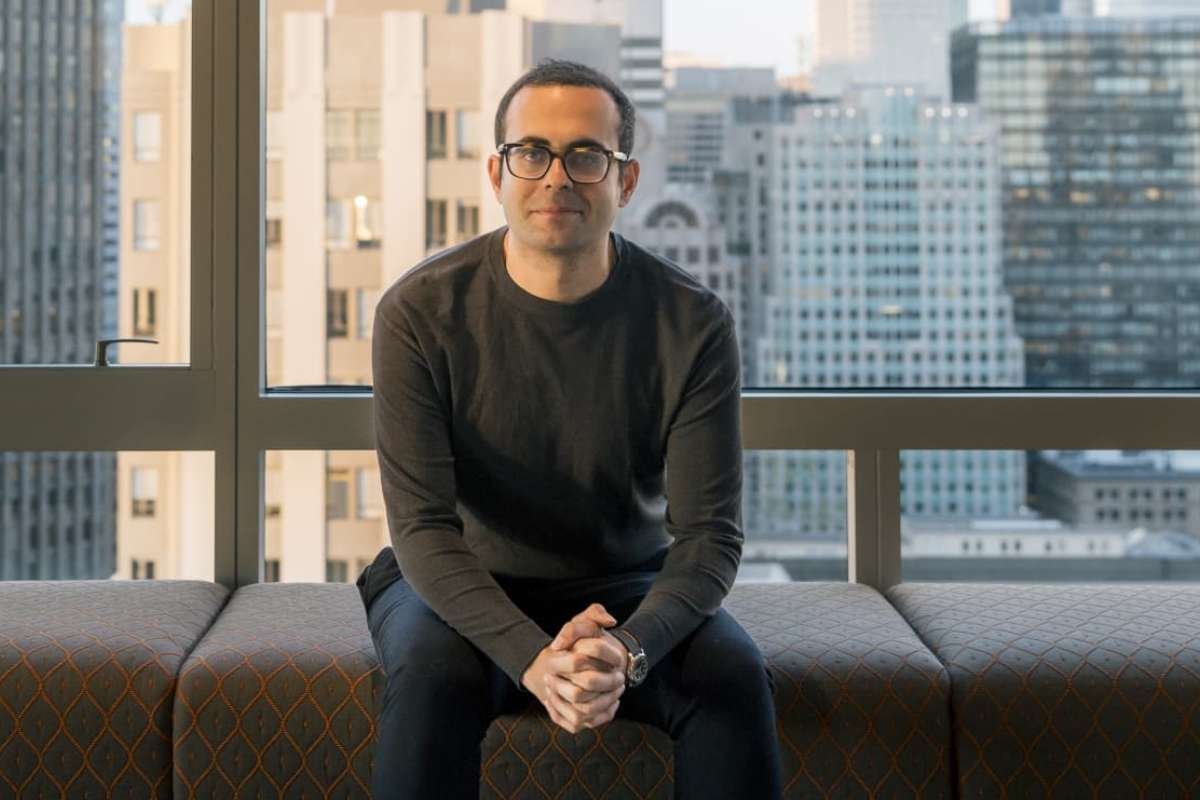
5. Rafay Systems Leadership – Haseeb Budhani

- Country: USA
- Age: ~32
- Brand: Rafay Systems
- Net Worth: Not public
Haseeb Budhani operates in a space that most people don’t see but is critical to modern technology: cloud infrastructure.
As companies move to the cloud, managing complex systems like Kubernetes becomes difficult. Many businesses struggle with efficiency, security, and scalability.
Rafay Systems solves this by simplifying cloud and container management. It helps companies deploy and manage applications more effectively.
Haseeb focuses on enterprise needs rather than consumer trends. His work supports large organizations behind the scenes.
What makes him stand out is technical depth combined with business clarity. He understands both the engineering challenges and the practical needs of companies.
His success shows that not all impactful businesses are visible to the public.
6. Melanie Perkins

- Country: Australia / USA
- Age: 36
- Brand: Canva
- Net Worth: ~$5–6 Billion
Melanie Perkins identified a problem early: design tools were too complex. Most people needed simple graphics, but software like Photoshop was difficult to learn.
She built Canva to make design accessible to everyone. Users can create presentations, social media posts, and marketing materials with ease.
The platform uses drag-and-drop simplicity, making it usable even for beginners.
Her vision was inclusion. She wanted anyone, a student, an entrepreneur, or a business, to be able to design without barriers.
Canva’s presence in New York strengthens its role in media, marketing, and business ecosystems. placing her among the Emerging Business Leaders 2026.
Her success comes from removing friction. She didn’t add features for complexity. She removed complexity altogether.
7. Brian Chesky
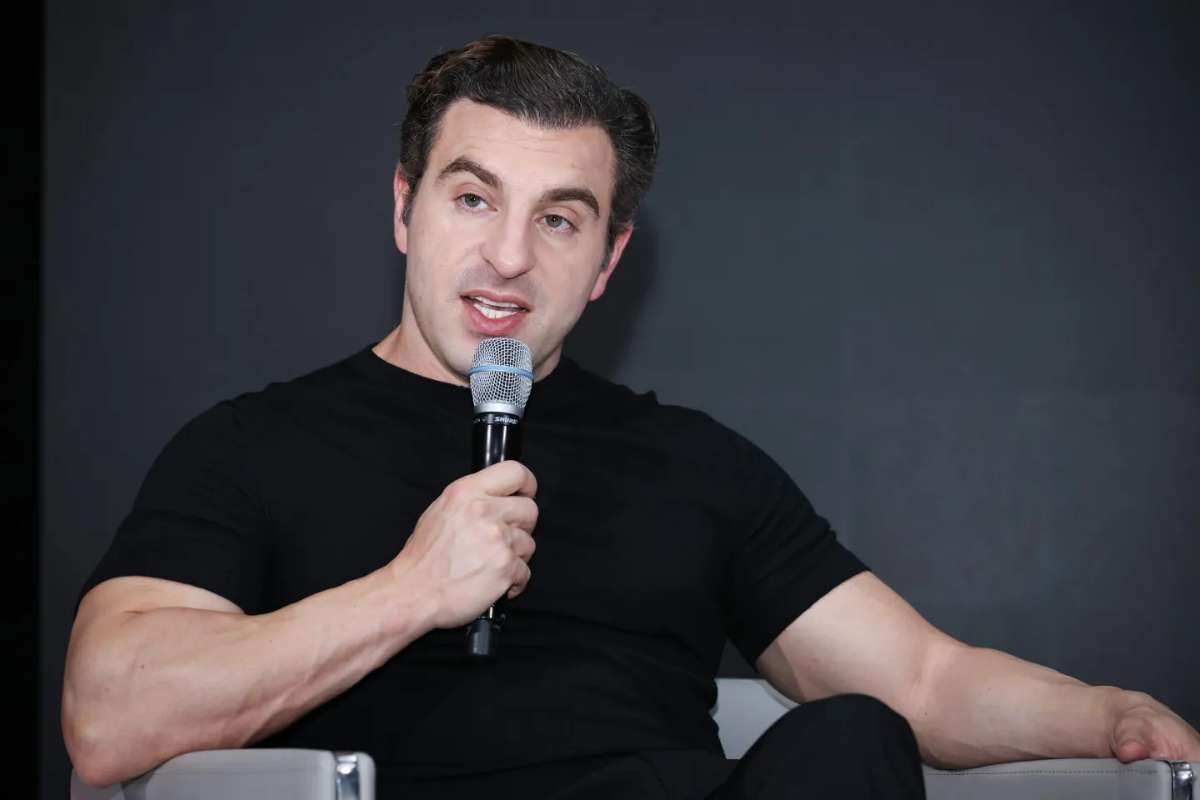
- Country: USA
- Age: 43
- Brand: Airbnb
- Net Worth: ~$8–9 Billion
Brian Chesky redefined how people travel. Instead of hotels, he introduced the idea of staying in someone else’s home.
Airbnb started as a simple solution to earn extra money by renting space. It evolved into a global platform connecting millions of hosts and travelers.
New York is one of Airbnb’s most important markets, making its influence strong in the city.
Brian focuses heavily on user experience and community. He believes travel is not just about places, but about people and connections.
Even after scaling globally, he continues to innovate, expanding into experiences and long-term stays.
8. Whitney Wolfe Herd

- Country: USA
- Age: 36
- Brand: Bumble
- Net Worth: ~$500–700 Million
Whitney Wolfe Herd changed the dynamics of online dating. She saw that traditional platforms often created uncomfortable experiences, especially for women.
She built Bumble with a simple rule: women make the first move.
This small change had a huge impact. It shifted control and created a safer, more respectful environment.
Bumble expanded beyond dating into networking and friendships, becoming a broader social platform.
Whitney’s leadership is rooted in empathy and social awareness. She didn’t just build a product. She addressed a cultural issue.
Her work shows how business can influence behavior and society.
9. Kevin Ryan
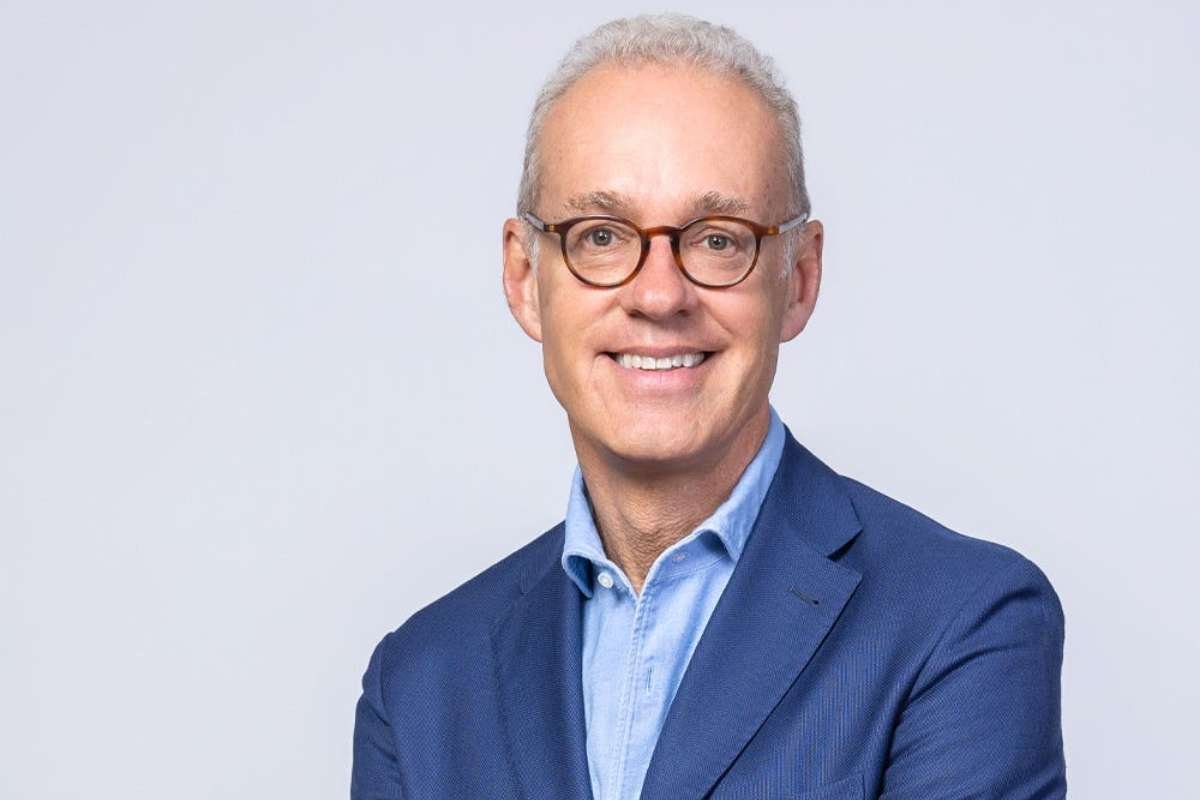
- Country: USA
- Age: 50+
- Brand: AlleyCorp
- Net Worth: Not public (high)
Kevin Ryan is not a typical founder. Instead of building just one company, he builds multiple.
Through AlleyCorp, he has launched and invested in several successful startups across industries like e-commerce, healthcare, and media.
He plays a central role in New York’s startup ecosystem. Many founders rely on his experience and network.
His strength is pattern recognition. After building multiple businesses, he understands what works and what doesn’t.
He focuses on long-term value rather than quick wins.
Kevin represents a different kind of leadership: enabling others to succeed.
10. Daniel Lubetzky
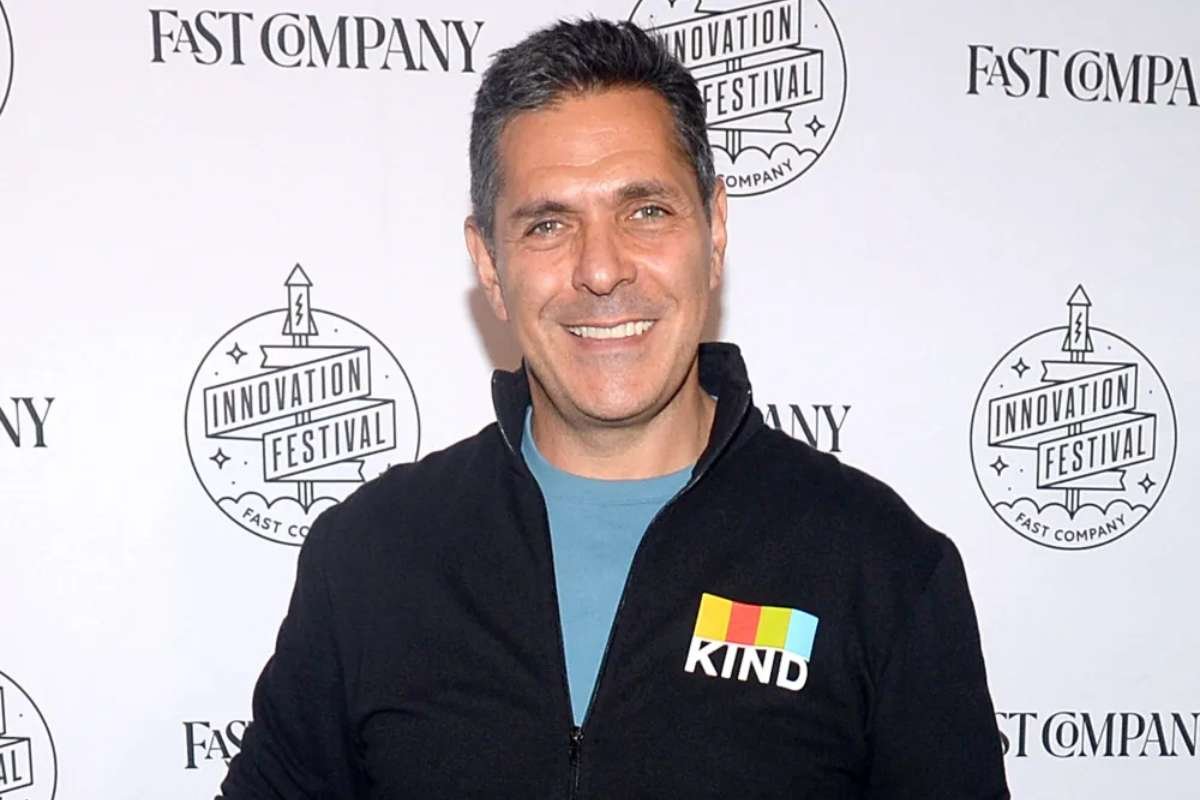
- Country: USA
- Age: 56
- Brand: KIND Snacks
- Net Worth: ~$2 Billion
Daniel Lubetzky built KIND Snacks with a clear mission: create healthier food options without compromising taste.
At a time when processed snacks dominated the market, he focused on transparency and simple ingredients.
His products clearly show what’s inside, building trust with consumers.
Beyond business, Daniel emphasizes social impact. He supports initiatives that promote kindness and understanding across communities.
His leadership combines profit with purpose.
He shows that businesses can succeed while staying true to strong values.
Key Lessons from Emerging Leaders
The rise of emerging business leaders 2026 teaches simple but powerful lessons:
- Start before you feel ready
- Focus on solving one problem well
- Build trust, not just profit
- Keep learning every day
- Stay consistent even when results are slow
These lessons are simple. But they work.
What You Can Learn from Emerging Business Leaders 2026?
You do not need billions to start.
Start small.
Stay consistent.
Focus on solving real problems.
The Emerging Business Leaders 2026 did not wait for perfect conditions. They built momentum with what they had.
Conclusion
Remember that broken ladder from the beginning?
Here is the truth. It was never broken. It just changed shape.
Today, success looks like risk, speed, and courage. The people who win are not always the
smartest. They are the ones who keep moving.
That is what makes the emerging business leaders 2026 stand out. They do not wait for the perfect moment. They create it.
So ask yourself one simple question.
Are you watching them build, or are you ready to build something of your own?
FAQs
1. Who are the emerging business leaders of 2026?
A: They are young entrepreneurs and professionals building fast-growing businesses with a strong impact.
2. Why are they important?
A: They shape future industries, create jobs, and bring new ideas to the market.
3. What industries are they focused on?
A: Mostly technology, healthcare, sustainability, finance, and education.
4. How can someone become a business leader?
A: Start small, solve real problems, stay consistent, and keep learning.
5. What makes them different from older leaders?
A: They move faster, use technology better, and adapt quickly to change.