
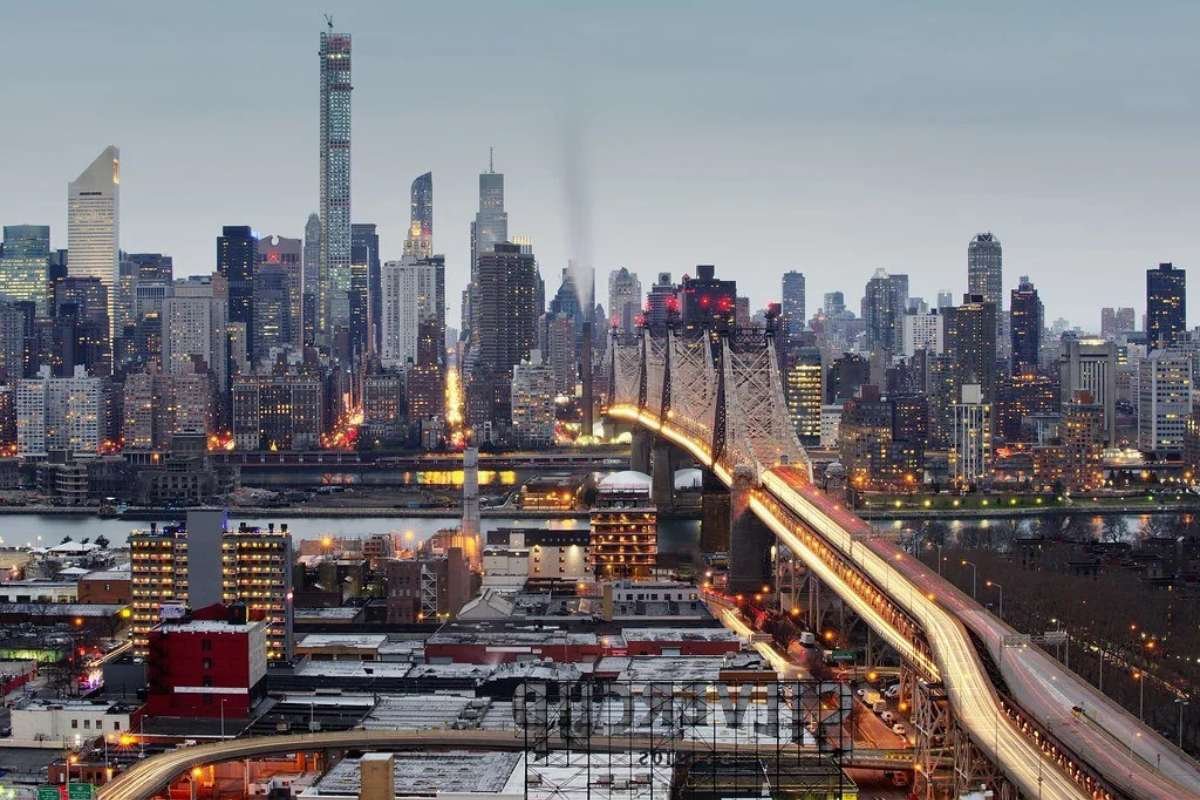
Industrial and commercial real estate in Queens is changing in 2026. It is not only about warehouses or office buildings anymore. It is about how businesses grow in real neighborhoods.
Queens has strong advantages. It has space, a large population, and good transport links. Roads, rail, and airports help goods and people move quickly. This makes Queens one of the busiest places in New York City for business.
You can see this in daily life. Small warehouses stay full. Shops open close to homes. Offices are changing to fit new work needs.
For local businesses, this matters a lot. Real estate shapes where you work, how you deliver, and how easily customers can find you.
Why Queens Matters for Businesses
Queens plays a key role in New York City. It connects to major airports, highways, and ports. This helps goods move quickly and keeps supply chains strong, which supports industrial and commercial real estate in Queens.
Areas like Maspeth and Willets Point still support manufacturing and logistics. These long-standing zones have deep industry roots. Businesses rely on them for storage, transport, and production.
At the same time, new business areas are growing. Long Island City is a clear example. It is shifting from mostly industrial space to a mix of offices, homes, and retail.
This mix matters. It lets small businesses, startups, and large companies work closely together, creating more activity and better chances to grow.
2026 Market Snapshot
Here is a simple view of the current market.
| Metric | 2026 Trend |
| Industrial demand | Strong and steady |
| Vacancy rate | Around 6% in outer boroughs |
| Small space availability | Very limited |
| Rent trend | Stable with slow growth |
| New construction | Slowing down |
Industrial leasing in outer boroughs like Queens and Brooklyn is very active, which reflects strong demand for industrial and commercial real estate in Queens. Leasing passed 2.6 million square feet in a single quarter.
Vacancy has also risen slightly to about 6.2%. This means new supply is coming in, but demand is still strong.
Small industrial spaces remain tight. Units under 50,000 square feet have vacancy near 4.8%, which is very low.
Industrial Real Estate in Queens
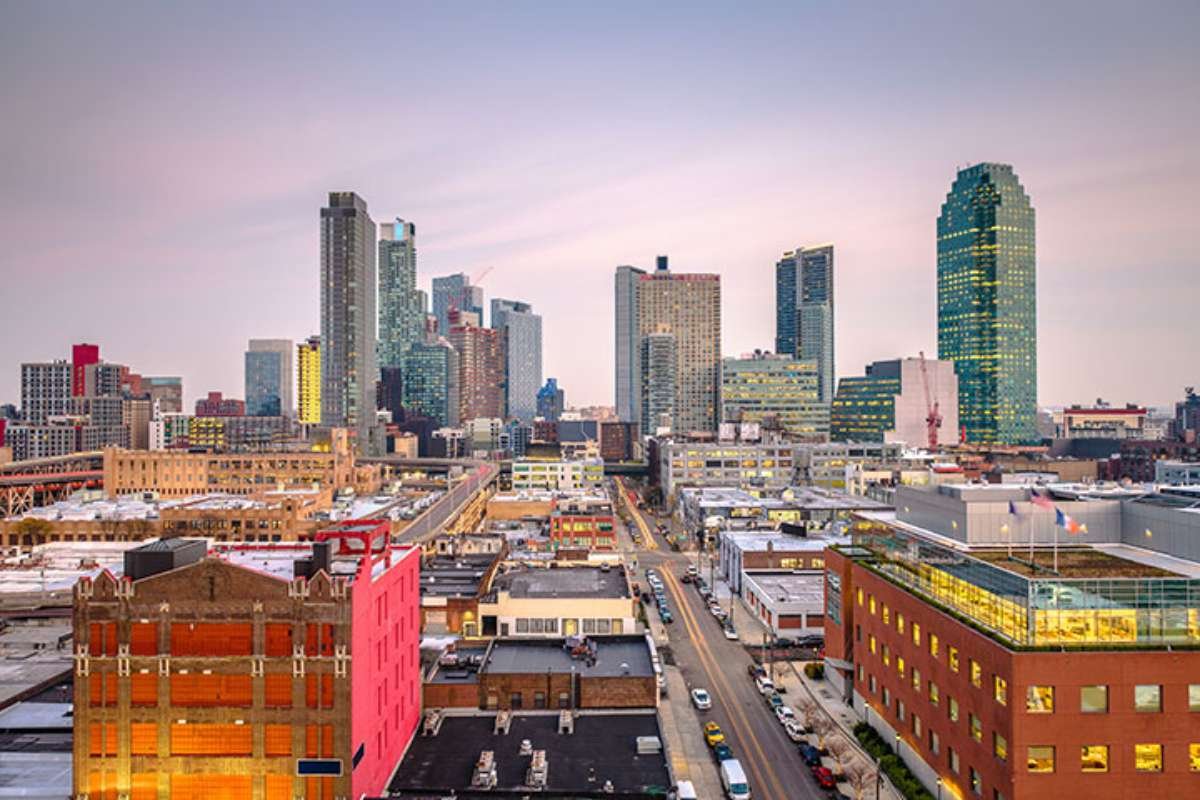
Industrial real estate is one of the strongest parts of the market in 2026.
Warehouses, storage units, and logistics hubs are in high demand. This is driven by e-commerce and fast local delivery needs. Queens has a dense population, so businesses can reach customers quickly without a long travel.
There is a clear pattern in the market:
- Small spaces are hard to find
- Large warehouses have slightly more availability
- Rent growth has slowed to about 2% per year
This creates a mixed situation. Small businesses often struggle to find space, while larger firms have more choices.
Even with some new vacancies, demand is still higher than supply. The market is not cooling. It is becoming more stable.
Commercial Real Estate in Queens
Commercial real estate in Queens includes offices, retail stores, and mixed-use buildings. It is a key part of industrial and commercial real estate in Queens.
In 2026, office demand is still adjusting. Many companies are rethinking how much space they need due to remote work. Some office buildings are now being converted into homes or mixed-use spaces.
Retail is doing better in local areas. Neighborhood shops are growing as people spend more time close to home.
Key trends include:
- More mixed-use buildings
- Smaller retail spaces
- Flexible office layouts
Property prices in New York remain high. Buying can cost over $700 per square foot, and rents are also expensive.
Because of this, many businesses choose to rent instead of buy.
Key Areas to Watch in Queens
1. Long Island City
This area is changing fast. It is moving from industrial use to mixed-use space. New housing and retail projects are rising.
A major plan will add about 15,000 homes. This will bring more customers, workers, and daily activity.
2. Maspeth
Maspeth remains a strong industrial zone. It supports freight, storage, and small manufacturing.
It is a good fit for businesses that need space and easy transport access.
3. Willets Point
Willets Point is still industrial but is slowly changing. New projects are starting to come in.
Over time, it may grow into a mix of industry, retail, and housing.
Challenges in 2026
The market is active, but it is not easy to enter or grow.
1. High costs
Rents and property prices remain high across Queens. Many small and new businesses struggle to afford good locations. Even basic spaces can take up a large part of the budget.
2. Limited small spaces
Small industrial units are hard to find. Demand is very high, and supply is low. Many small firms compete for the same spaces, which makes the search slow and stressful.
3. Zoning changes
Some industrial areas are shifting to housing or mixed-use, which is changing industrial and commercial real estate in Queens. This reduces the amount of land for warehouses and production. Over
time, this puts more pressure on the remaining spaces.
4. Competition
More businesses are opening in Queens each year. This creates more choice for customers, but it also makes it harder for any one business to stand out and grow.
Opportunities for Local Businesses

Despite these challenges, there are strong opportunities for businesses in Queens.
- Better access to customers
Queens has a large and dense population. Businesses can serve local demand quickly and build a steady customer base close to home.
- Logistics advantage
Queens is close to major airports and highways. This makes delivery faster and helps keep supply chains smooth and reliable.
- Mixed-use growth
New developments bring shops, offices, and homes into one place. This creates steady foot traffic and more daily demand for local services.
- Stable market
After years of rapid change, the market is now more balanced. This makes it easier for businesses to plan, manage costs, and grow with less risk.
What This Means for Hyperlocal Business Ecosystems
Industrial and commercial real estate in Queens shapes local business ecosystems.
When businesses are close to customers, they grow faster and serve needs better. Shorter supply chains also help reduce costs.
Mixed-use areas bring more activity into one place. People can live, shop, and work in the same neighborhood.
This creates a simple cycle:
- More businesses open
- More customers visit
- More jobs are created
Over time, this strengthens the local economy. Queens is a clear example of how real estate can support steady, everyday business growth.
Conclusion
Industrial and commercial real estate in Queens remains strong in 2026. Demand is steady, and the market is more stable than in past years. Industrial spaces continue to support logistics, storage, and small business activity. At the same time, commercial spaces are changing to meet new work and shopping needs.
There are still challenges. High costs and limited space can make it hard for businesses to enter or expand. But there are also real opportunities for growth, especially in mixed-use areas and local markets.
For businesses, Queens offers clear advantages. It has strong access, a large customer base, and constant change. These factors help businesses stay active and grow. That is why Queens remains one of the most important business hubs in New York City.