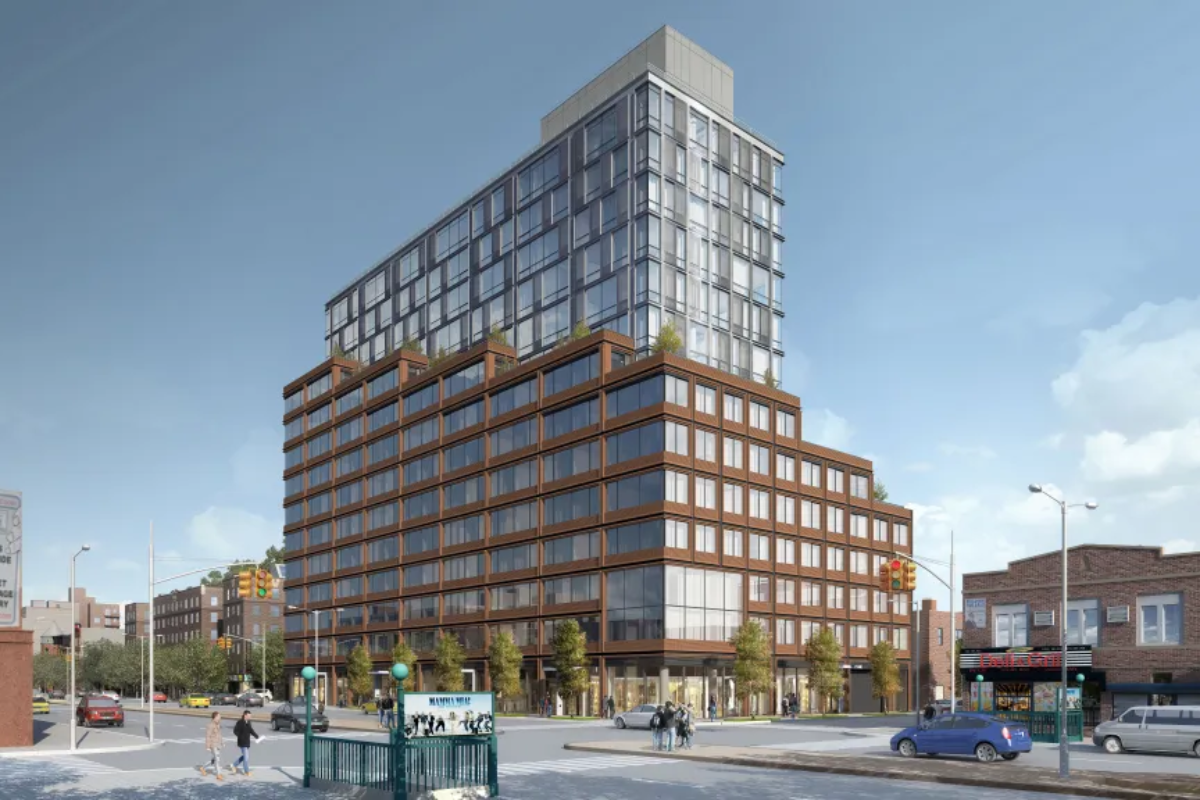
Brooklyn is changing fast. New buildings are rising across many neighborhoods, but they are not just simple spaces. Today, many projects bring homes, shops, and workplaces together in one place. This is why mixed-use developments in Brooklyn are growing so quickly.
These developments let people live, work, shop, and relax in the same area. A person can live upstairs, walk to work, and pick up food nearby. This makes daily life easier and saves time. It also brings more people into one space, which helps local shops and services grow.
This idea is not new, but it is spreading fast across Brooklyn. In 2026, it is one of the biggest trends shaping how neighborhoods work. It is also helping build strong local business ecosystems, where businesses depend on people who live close by.
Why Brooklyn Is Building More of These Spaces?
Brooklyn is growing fast. More people are moving in, and more businesses are opening. This means the city needs to use land in a smarter way.
One key reason is rezoning. Areas like Gowanus now allow more housing and retail. This makes it easier to build large mixed-use developments in Brooklyn.
Another reason is demand. People want everything close to home. They prefer living near work, food, and parks.
Developers are adapting to this need. Instead of building just one type of space, they are creating full communities. These spaces support daily life and help local businesses stay active.
Key Data: Brooklyn Growth Snapshot (2025–2026)
| Metric | Data |
| New housing units (Downtown Brooklyn, 2025) | ~4,400 units |
| Growth vs previous peak | ~50% increase |
| Planned projects pipeline | 25+ projects |
| Large mixed-use tower approved (2026) | ~1.5 million sq ft |
| Affordable units in new tower | 300+ units |
Downtown Brooklyn added around 4,400 new housing units in 2025, making it one of its strongest years for development. This was a sharp rise compared to earlier peaks.
At the same time, more than 25 projects are planned or under construction. New large towers approved in 2026 also include hundreds of affordable units, along with retail and public space.
This steady growth shows how fast mixed-use developments in Brooklyn are expanding and reshaping local neighborhoods.
Top Areas Leading the Trend
1. Downtown Brooklyn
Downtown Brooklyn is now a strong mixed-use hub. It was once known for offices, but today it includes homes, retail, and public spaces.
Projects like City Point show this shift clearly. They bring shopping, housing, and workspaces into one place. New towers approved in 2026 will add more homes, shops, and shared spaces.
2. Williamsburg
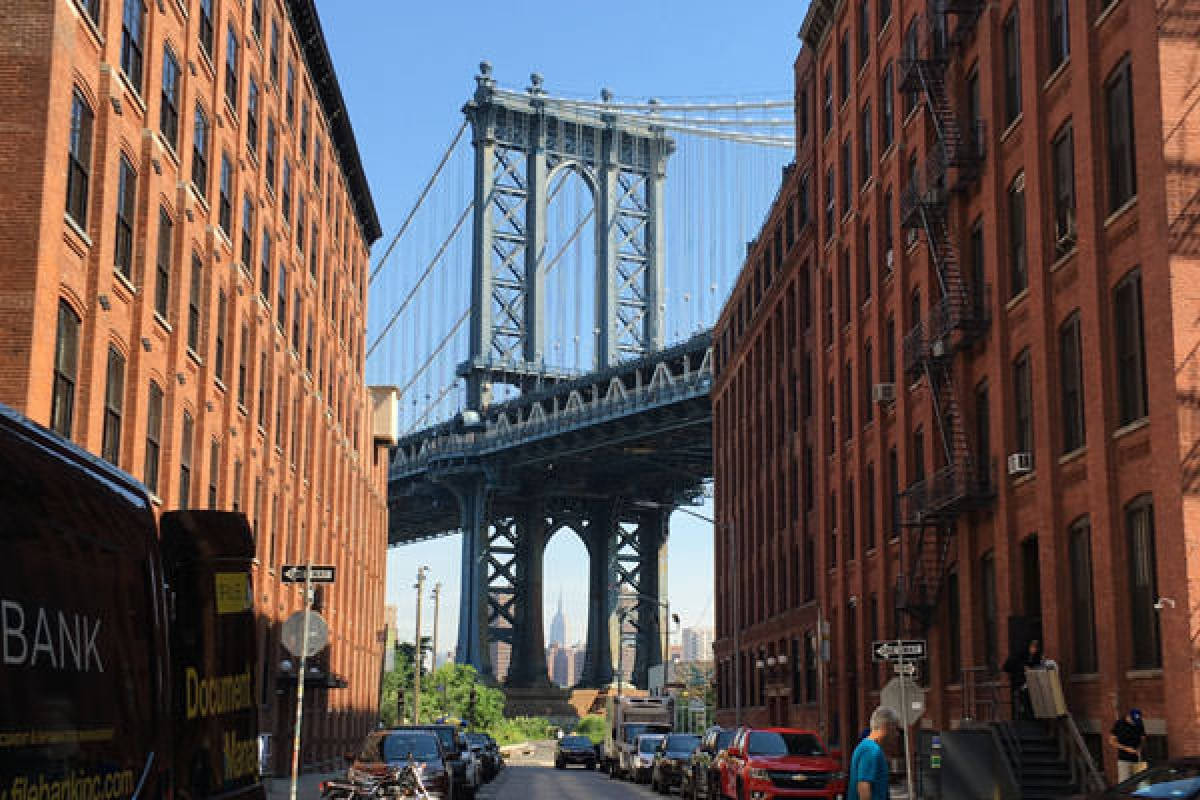
Williamsburg is one of the most active areas in Brooklyn. Many large projects are coming up along the waterfront.
Developments like Williamsburg Wharf include homes, retail, and leisure spaces. Future plans like River Ring will add parks and more housing. This area mixes lifestyle with business in a simple way.
3. DUMBO
DUMBO is smaller, but very active.
Old warehouses have been turned into offices, shops, and homes.
Buildings like 60 Water Street include:
- Apartments
- Retail shops
- Schools
This shows how mixed-use developments in Brooklyn support daily life in one place.
4. Gowanus
Gowanus is a newer growth area.
Rezoning has created space for large projects.
Some projects include:
- 1,000+ housing units
- Retail and fitness spaces
- Public waterfront areas
This area is expected to grow steadily through 2030.
How These Developments Help Local Businesses?
Mixed-use developments in Brooklyn are not just about buildings. They play a big role in helping local businesses grow and stay active. By bringing people closer to where they shop and work, these spaces create steady demand.
Here is how this works in daily life:
1. More Daily Foot Traffic
People live and work in the same place, so there is constant movement throughout the day.
This means steady customers for:
- Cafes
- Grocery stores
- Fitness centers
When more people live nearby, shops get regular visits. This helps businesses stay busy every day.
2. Stable Customer Base

Unlike tourist-heavy areas, these spaces bring repeat customers. Residents shop for daily needs, and workers stop by during breaks.
This creates a steady flow of income for small businesses.
3. Better Business Mix
Developers plan the types of stores in advance. They aim to meet everyday needs within one area.
This often includes:
- Food and dining
- Health services
- Retail shops
This balanced mix helps the local economy stay stable and useful for residents.
4. New Opportunities for Startups
These developments also open doors for new businesses. Small brands can set up shops and reach local customers easily.
At the same time, larger brands often test new ideas in areas like Williamsburg.
This mix of small and large businesses creates a stronger and more active local ecosystem.
Challenges to Watch in 2026
Growth in Brooklyn is strong, but it also brings some challenges. As more mixed-use developments in Brooklyn are built, both businesses and residents may face a few issues.
1. Rising Costs
As new projects come up, property values and rents often increase.
This can make it harder for small businesses to afford space. Some local shops may struggle to stay open as costs rise.
2. Too Much Supply
In some areas, many new buildings are opening at the same time.
This can lead to:
- Empty retail spaces
- Lower rents for landlords
In a few parts of Brooklyn, this increase in supply has already started to affect rental trends and demand.
3. Infrastructure Pressure
As more people move into these areas, the demand on city systems also grows.
This includes:
- Transport
- Public services
Cities need to improve infrastructure at the same pace as development to keep everything running smoothly.
What Makes These Developments Work?
Not every project succeeds. Some do well, while others struggle to attract people and businesses.
The best mixed-use developments in Brooklyn follow a few simple ideas that make daily life easy and useful.
These include:
- Good location near transport, so people can move easily
- The right mix of homes and retail, so daily needs are met
- Open public spaces where people can spend time
- Strong local demand from residents and workers
When these elements come together, the area becomes more active. More people visit, more businesses open, and the neighborhood grows at a steady pace.
What This Means for Hyperlocal Business Ecosystems?
This trend is changing how neighborhoods work in Brooklyn. In the past, living, working, and shopping often happened in different places.
Now, everything is more connected within one area. This creates:
- Short travel times for daily needs
- Strong local spending within the neighborhood
- More community activity in shared spaces
Businesses no longer depend only on visitors or tourists. They rely on the people who live nearby and visit regularly.
That is why mixed-use developments in Brooklyn are becoming a key driver of local economic growth.
Conclusion
Brooklyn in 2026 is growing in a new and more connected way. Mixed-use developments are changing how people live and work each day. These spaces bring homes, shops, and offices together in one place, making daily life easier and more local.
Areas like Downtown Brooklyn, Williamsburg, and Gowanus clearly show how strong this trend has become. People can now stay close to home for work, shopping, and leisure. For local businesses, this creates steady demand and more chances to grow.
There are still challenges like rising costs and space pressure. But overall, this model is working well. Mixed-use developments in Brooklyn are not just buildings. They are helping create complete, active neighborhoods for the future.