
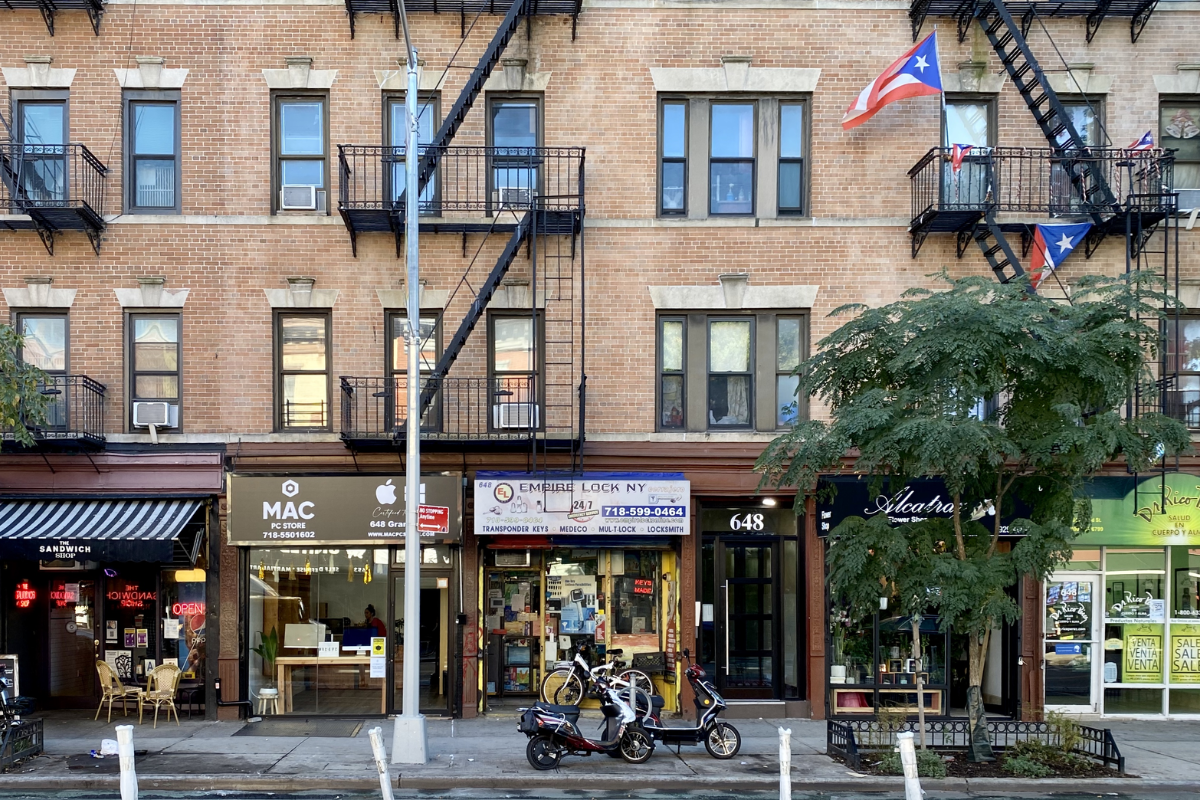
Small businesses in Brooklyn NYC are part of daily life. You see them on every street. They are coffee shops, salons, food trucks, and repair stores people visit every day. They create jobs and keep local streets active.
In 2026, Brooklyn stands out as a strong hub for local business activity. It has the highest number of small businesses in New York City, with over 46,000 firms. This shows how strong local demand is in the borough.
This blog looks at how these businesses work, what trends shape them, and why they matter in a hyperlocal ecosystem.
What Makes Brooklyn a Strong Local Business Hub?
Brooklyn has changed a lot over time. It once had many factories. Now, it is full of services, shops, and creative work. Today, most businesses here are small and local.
Many neighborhoods help this growth. Areas like Williamsburg, DUMBO, and Park Slope attract new shops and startups. This steady rise of small businesses in Brooklyn NYC shows how strong local demand is. At the same time, older areas still support family-run stores that have been there for years.
Most businesses in Brooklyn are small in size. About 91% of firms have fewer than 20 employees. This means many businesses are run by small teams.
This makes the borough flexible. Small teams can adapt fast, try new ideas, and serve local needs better.
Key Data: Small Business in Brooklyn and NYC
Here is a simple view of how small businesses shape the economy:
| Metric | Data |
| Total small businesses in NYC | ~183,000 |
| Small businesses in Brooklyn | ~46,300 |
| Share of businesses in NY that are small | ~98.9% |
| Jobs from small businesses (NY state) | ~3.7 million |
| Avg. share of jobs from small firms | ~45% |
These numbers are clear. Small businesses are not a small part of the economy. They are the main part. They create jobs, support families, and keep local areas active.
Types of Small Businesses You See in Brooklyn
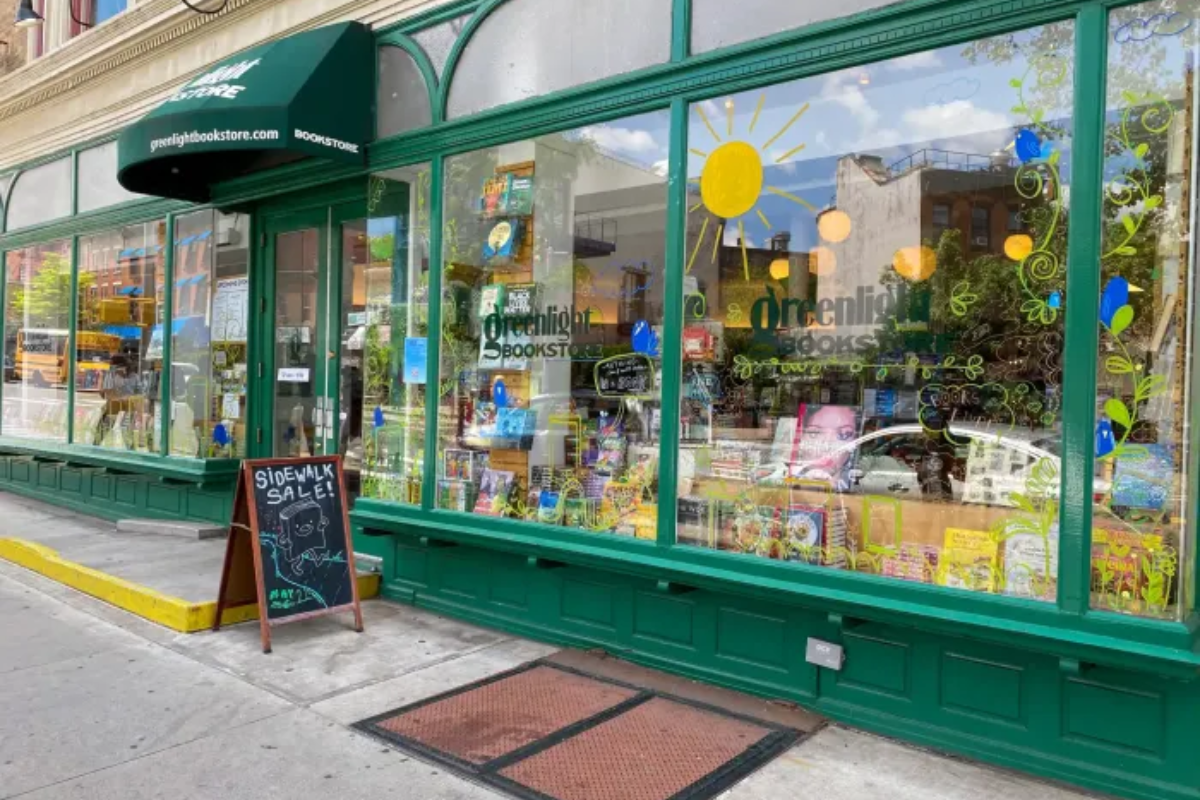
Small businesses in Brooklyn NYC cover many industries. Each one plays a role in daily life and the local economy.
1. Food and Beverage
Restaurants, bakeries, and cafes are easy to find. People visit them every day. Many of these places become regular hangout spots. They also hire a large number of workers.
2. Retail and Local Shops
Clothing stores, gift shops, and corner stores are common. Bodegas are also a key part of this system. These shops serve daily needs and often stay open long hours.
3. Services
Hair salons, repair shops, and cleaning services are part of everyday life. These businesses depend on repeat customers from nearby areas.
4. Creative and Tech Businesses
Brooklyn has seen growth in design studios, media firms, and tech startups. Areas like DUMBO are known for this shift. These businesses bring new ideas and attract young talent.
Why Small Businesses Matter Locally?
Small businesses in Brooklyn NYC do more than sell products. They help shape neighborhoods and support daily life.
● They Create Jobs
Small firms employ a large share of workers in New York. They give jobs to people in the same area, which helps families and keeps local income steady.
● They Build Community
Local stores often know their customers by name. People visit the same places often. This builds trust and strong relationships over time.
● They Keep Money Local
When people shop at local stores, the money stays in the area. It supports other nearby businesses and helps the neighborhood grow.
● They Support Diversity
Many businesses are owned by immigrants and women. This brings new ideas, products, and cultures into the market. It also makes each neighborhood feel unique.
2026 Trends Shaping Small Businesses in Brooklyn NYC
1. More Local Networks
Businesses are working together more than before. Shops share customers and promote each other. This helps bring more people into the area. Strong local networks can increase sales and foot traffic.
2. Rise of Hybrid Spaces
Many new businesses use one space for many purposes.
For example:
- Cafe + workspace
- Store + event space
- Market + community hub
This helps owners earn more from the same place and attract different types of customers.
3. Digital + Physical Mix
Even small stores now use online tools. Social media, delivery apps, and simple websites help them reach more people. At the same time, foot traffic is still very important for daily sales.
4. Growth in New Business Openings
New businesses are opening across New York City each year. Brooklyn gets a large share of this growth. This keeps the local market active and full of new ideas.
Challenges Facing Small Businesses in 2026

Growth is real, but there are also clear challenges.
● High Rent
Rent is one of the biggest problems. In many parts of Brooklyn, commercial rent has gone up. This makes it hard for small businesses to stay in the same place.
● Rising Costs
Costs are increasing across the board. Prices for goods, energy, and wages are higher than before. This puts pressure on small business owners.
● Competition
More businesses are opening, which means more competition. For small businesses in Brooklyn NYC, it is becoming harder to stand out and attract customers.
● Survival Risk
Many new businesses do not last long. Across the U.S., a large number close within the first year. This shows how tough the market can be.
Role of Government and Support Systems
The city supports small businesses through simple programs and services. These help owners start, grow, and manage their work.
The New York City Department of Small Business Services offers:
- Training to build skills
- Help with funding and grants
- Advice on running a business
Local groups also play a role. The Brooklyn Chamber of Commerce supports business owners, connects them with others, and helps promote growth.
These systems make it easier for small businesses to survive and grow in a busy market.
How Neighborhoods Shape Business Success?
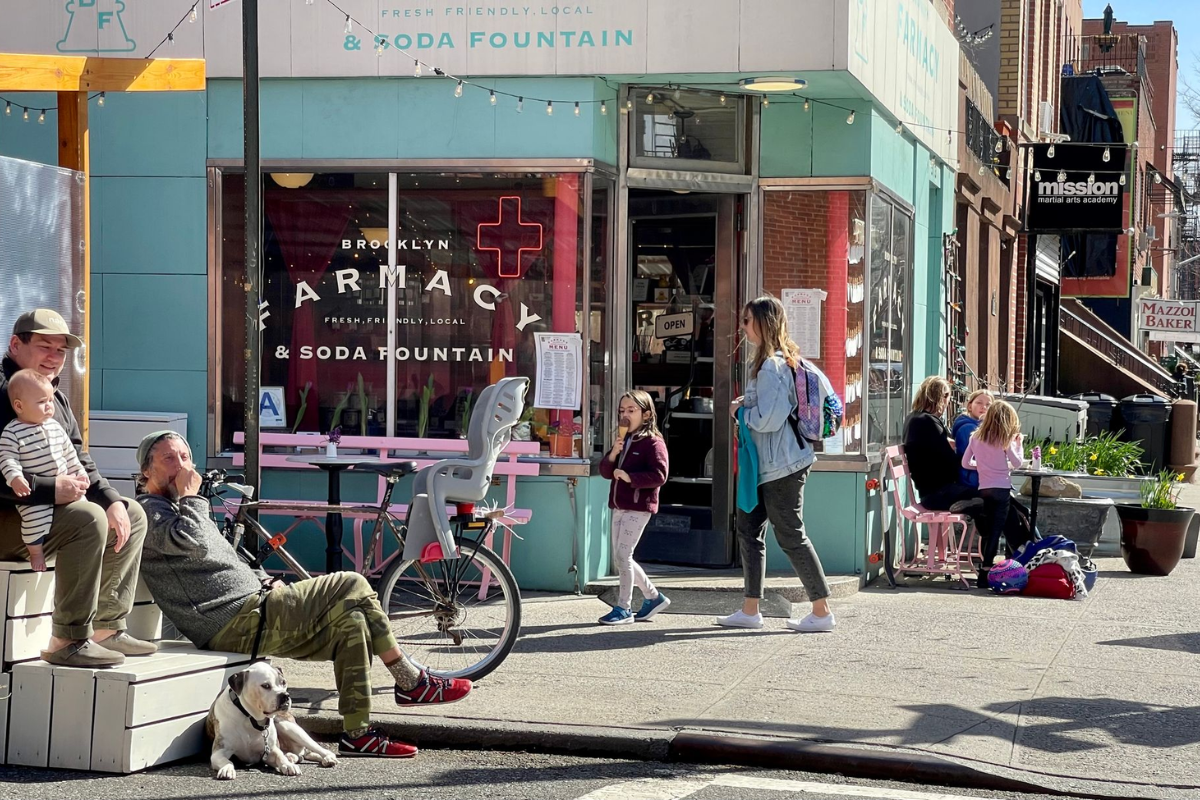
Each area in Brooklyn has its own identity. This affects how businesses grow and succeed.
- Williamsburg attracts young shoppers and creative workers
- Downtown Brooklyn has offices, shops, and busy streets
- Bedford-Stuyvesant supports community-focused businesses
This local mix is very important. A business does well when it matches the needs of the neighborhood. Owners who understand their area often have a better chance of success.
Future Outlook for Small Businesses in Brooklyn NYC
The future looks stable, but not simple. Small businesses in Brooklyn are expected to keep growing, but owners will need to adapt.
Small businesses will keep growing because:
- People prefer to shop local
- New entrepreneurs keep entering the market
- Neighborhood demand stays strong
At the same time, success will depend on:
- Managing costs carefully
- Building strong local networks
- Adapting to digital tools
Brooklyn will likely remain one of the top places for small business activity in New York.
Conclusion
Small businesses in Brooklyn NYC are the backbone of the local economy. They create jobs, support communities, and bring life to neighborhoods. From local shops to service providers, they shape daily life in every area.
In 2026, the system is active and growing. Brooklyn leads the city in small business numbers, showing strong local demand and steady change. New businesses keep opening, while existing ones continue to adapt to customer needs.
There are challenges like high rent, rising costs, and strong competition. Still, the system remains flexible. Business owners adjust, and new ideas keep coming. That is why Brooklyn continues to stand out as a strong hyperlocal business ecosystem.