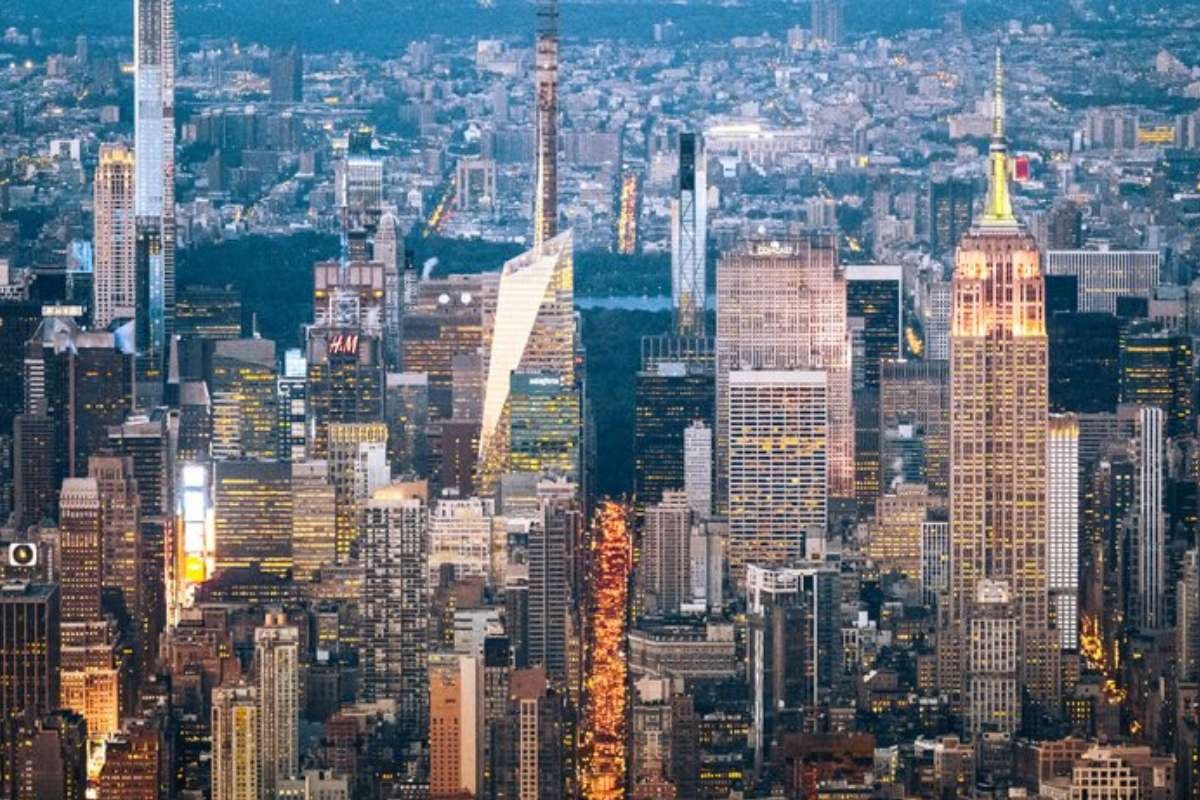
The Manhattan business ecosystem is one of the most active and valuable in the world. It is not just big. It is connected, fast, and always changing.
Manhattan alone produces about $1 trillion in GDP. This makes it the richest county in the United States.
Every day, a huge number of people travel into Manhattan for work. The area has millions of workers and one of the largest daily commuter flows in the country.
This daily movement builds a strong local network. Jobs, services, and ideas all stay close and move quickly.
In 2026, the ecosystem is growing again after slower years. New sectors like AI, tech, and data-driven services are leading this shift. The city is not starting over. It is building on what already works.
That is why the business ecosystem continues to lead while others try to catch up.
What Makes the Manhattan Business Ecosystem Unique?
Manhattan works because many industries sit close together. This makes work faster and easier.
Here are the main strengths:
- Finance and banking
- Technology and startups
- Media and advertising
- Real estate and retail
- Tourism and hospitality
These sectors do not work alone. They support each other every day.
For example, finance firms give money to startups so they can grow. Tech companies build tools that banks and media firms use. Media companies help promote new products and services.
Because everything is nearby, people can meet, share ideas, and make decisions quickly. This saves time and builds trust.
This close connection is what makes the Manhattan business ecosystem strong.
Key Industries Driving Growth in 2026
1. Finance: The Core Engine
Wall Street is still the backbone of Manhattan. Manhattan is home to some of the world’s largest stock exchanges and major financial firms.
Banks, hedge funds, and asset managers operate from here every day. These firms bring large amounts of money into the city.
This money supports:
- Startups
- Real estate
- Global trade
Finance helps other industries grow. It keeps the system running and stable.
2. Technology and AI: The Fastest Growing Sector
Tech is now the fastest-growing part of the economy. New York has over 2,000 AI startups.
More than 40,000 people work in AI-related jobs.
AI companies are also taking more office space. In 2025, Manhattan saw its strongest office demand in over 10 years, and many of those deals came from tech firms.
Tech is no longer a small sector here. It is now a key part of the Manhattan business ecosystem.
3. Startups and Venture Capital
New businesses are growing fast across Manhattan. New York attracts strong startup funding, especially in AI and fintech.
The city offers:
- Strong investor networks
- Top universities like New York University and Columbia University
- Access to global markets
These factors help startups launch and grow faster.
4. Real Estate and Office Market
Office space in Manhattan is changing. In 2025, office leasing reached nearly 43 million square feet.
At the same time:
- Older buildings are harder to fill
- New, high-quality offices are in demand
There is also a shift toward:
- Flexible office spaces
- Co-working setups
- Office-to-home conversions
This shows how the Manhattan business ecosystem adapts to new needs.
5. Retail and Local Businesses
Local businesses are returning and growing again. Retail areas like Union Square are filling up again. Occupancy reached about 91% in late 2025.
New stores, cafes, and service businesses are opening across the city. Small businesses play a key role. They keep neighborhoods active and support daily life.
These industries work together and drive steady growth. This mix is what keeps the business ecosystem strong in 2026.
Data Snapshot: Manhattan Business Ecosystem (2026)
Here is a simple view of key numbers that define the business ecosystem in 2026:
| Area | Key Data |
| GDP | ~$1 trillion (Manhattan alone) |
| Startups | 8,750+ startups across New York City |
| AI Sector | 2,000+ companies, ~40,000 jobs |
| Office Leasing | ~43 million sq ft (2025) |
| Retail Recovery | ~91% occupancy in key areas |
| Tech Leasing Share | ~36% of new leasing in select districts |
These numbers show how different parts of the economy are growing at the same time. Finance, tech, real estate, and retail are all active, which keeps the system balanced and strong.
How Everything Connects?
The Manhattan business ecosystem works like a network. Each part supports the others.
Here is a simple flow:
- Finance gives money
- Startups build new ideas
- Tech improves services
- Media spreads awareness
- Real estate provides space
Each part depends on the other to grow. For example, a startup may get funding from a bank. It then builds a product using tech.
Media helps people learn about it. Real estate gives the company a place to work. Because everything is linked, growth happens faster. Problems are also solved faster.
This is why Manhattan stays strong, even during slow periods.
Trends Shaping Manhattan in 2026
1. AI Is Reshaping Work
AI is changing how companies work every day.
Firms now use AI for:
- Customer service
- Finance analysis
- Hiring
AI helps companies save time and reduce costs. Tasks that once took hours can now be done in minutes.
This also helps businesses make better decisions using data.
2. Hybrid Work Is Here to Stay
Offices are still important, but they are changing.
Companies now prefer:
- Smaller offices
- Better locations
- Flexible leases
Many workers split time between home and office. Because of this, businesses do not need as much space as before.
This shift is changing how buildings are used across Manhattan.
3. More Global Investment
Investors are coming back to Manhattan. Real estate investment grew by over 25% in 2025. This shows strong trust in the market.
Money is flowing into:
- Office buildings
- Housing projects
- Retail spaces
This investment supports jobs and new development.
4. Tech and Traditional Industries Are Merging

In Manhattan, every industry is becoming more digital.
- Finance uses AI tools
- Healthcare uses data systems
- Retail uses online platforms
Old and new industries are working together. This mix makes the Manhattan business ecosystem more flexible and ready for change.
Challenges the Ecosystem Faces
The Manhattan business ecosystem is strong, but it also faces real challenges.
Some of the main issues include:
- High cost of living
- Expensive office space
- Competition from other cities
- Economic uncertainty
Living in Manhattan is costly. This makes it harder for workers and small businesses to stay long term.
Office space is also expensive. Many companies now look for cheaper options or smaller spaces.
Other cities like Austin and Miami are attracting startups and investors. They offer lower costs and fewer limits.
There is also a gap in real estate. New buildings with modern features are in demand, while older buildings are harder to fill.
Even with these challenges, the system continues to adjust. Businesses change how they work, and the city adapts with them.
Why Manhattan Still Wins?
Many cities are growing, but Manhattan continues to stay ahead.
Here is why:
- Dense business network
- Easy access to capital
- Global talent pool
- Strong brand value
In Manhattan, companies, investors, and workers are all close together. This helps ideas move quickly.
Money is easier to access because major banks and investors are based here. The city also attracts talent from around the world. People come here for better jobs and bigger opportunities.
Finally, Manhattan has a strong global image. Being based here adds trust and visibility to a business.
Very few places offer all of this in one area. That is why the Manhattan business ecosystem continues to lead.
Conclusion
The Manhattan ecosystem of business in 2026 is active, connected, and growing again. Finance still leads the system, but tech and AI are shaping what comes next. Startups are rising across the city, bringing new ideas and energy. At the same time, offices are changing to match how people work today, with more flexible spaces and better locations. Local businesses are also coming back, helping neighborhoods feel busy and alive again.
What makes Manhattan special is not just its size. It is how everything works together in one place. Money, talent, ideas, and space are all close and easy to access. This helps businesses grow faster and solve problems quickly. Even during slow periods, the system stays strong because each part supports the other. That is why the Manhattan business ecosystem remains one of the most powerful and reliable in the world.