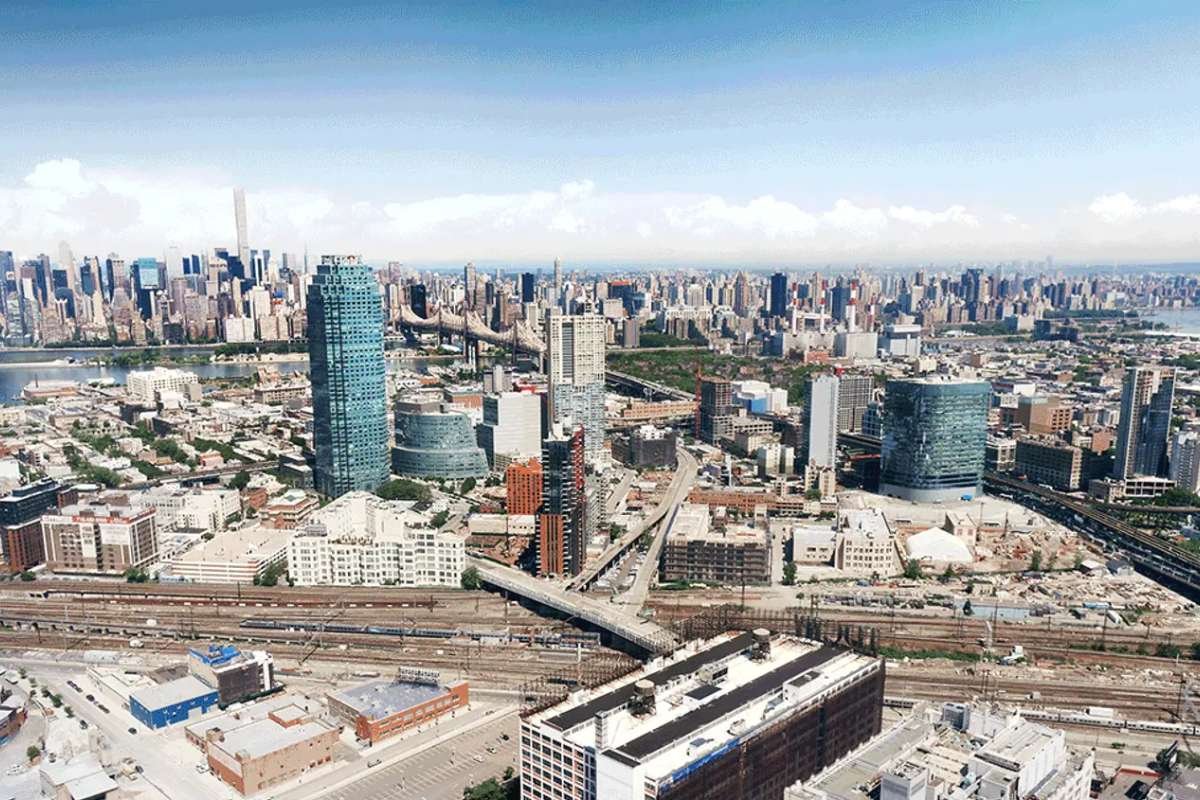
What comes to your mind when you think of Queens? Maybe it’s diversity, food, or long subway rides. But for many New Yorkers, Queens is becoming something much more: a hub of growth and opportunity.
New apartment buildings, large mixed-use developments, and upgraded streets and parks are reshaping Queens. Queens urban development projects are making the borough feel fresh and full of opportunity.
Whether you already live here or are thinking of moving, it helps to know what’s changing. These projects show where your next chapter might begin, whether that means a new home, a new job, or a completely different neighborhood experience.
Why Queens is Suddenly the Center of Big Change?
In the past few years, Queens has gone from quiet growth to a full-on building boom. New housing filings and construction permits have surged, making the borough a key player in New York City’s effort to add hundreds of thousands of new homes. This surge is closely tied to the rise of Queens urban development projects, which are accelerating both residential and mixed-use construction across the borough.
The Real Estate Board of New York reports big growth in Queens. Between early 2024 and late 2025, the borough had the second-highest number of housing units starting pre-development or finishing construction among NYC boroughs. More than 12,000 units were in pre-development alone.
This activity isn’t random; it’s part of citywide goals to build 500,000 new units by 2034, including a mix of market-rate, affordable, and mixed-income homes.
Another reason behind this surge is connectivity. Queens offers relatively more space compared to Manhattan and is well-connected through subways, commuter rails, and major highways. This makes it an attractive location for both developers and residents looking for better value without losing access to the rest of the city.
A $2 B Neighborhood Coming to Life
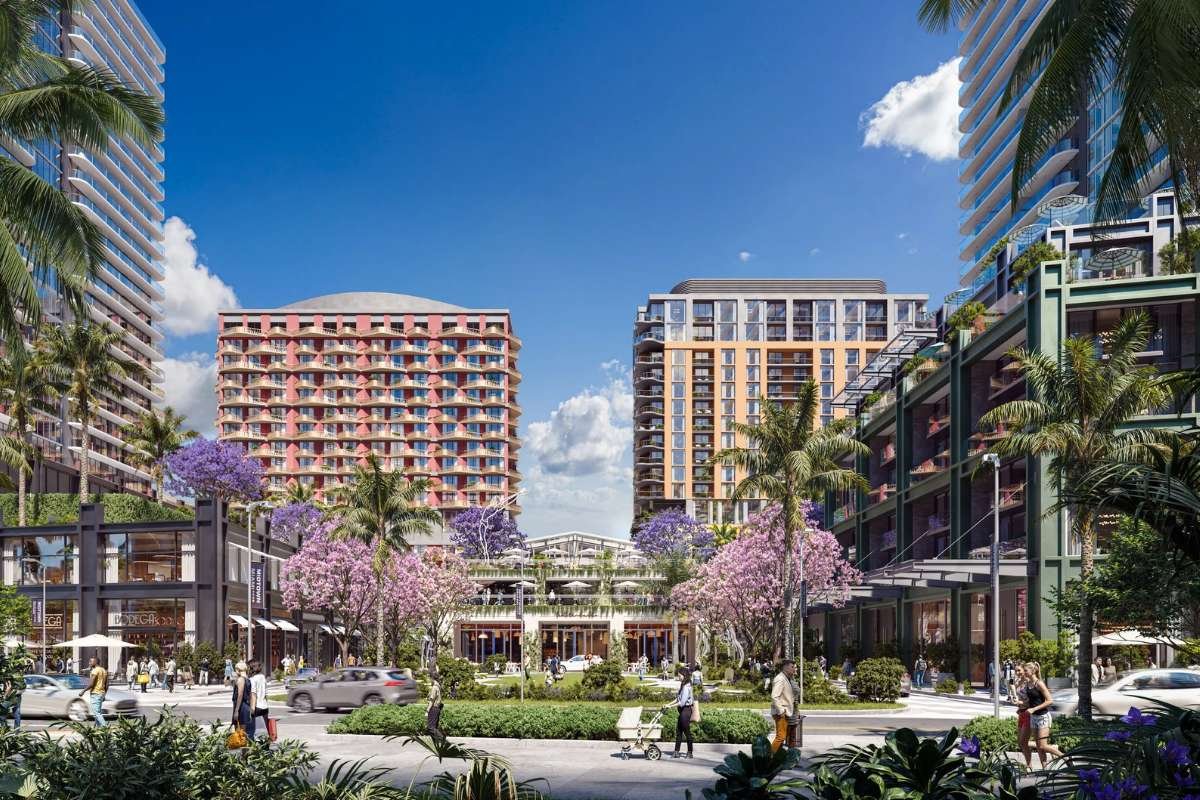
One of the most talked-about Queens urban development projects is Innovation QNS in Astoria, a plan to transform five city blocks into a vibrant mixed-use district with thousands of apartments, retail, office space, and community areas.
The NYC Council approved the plan, which aimed to deliver roughly 3,100 homes with nearly half designated as affordable.
That approval has energized local development efforts. However, large-scale planning can be unpredictable. Parts of the original Innovation QNS vision were later scrapped due to logistics and financing debates, leaving room for smaller, phased projects in the area.
Even so, plans like these show how Queens is shifting from underused lots and industrial land into new vibrant spaces with a mix of housing, jobs, and public amenities. Over time, these phased developments can still deliver many of the same benefits, just in a more gradual and flexible way.
Massive Housing Plans Are Moving Forward, Too
Looking beyond specific developments, the borough is also the site of some of the biggest rezoning and housing campaigns the city has seen in decades.
Two plans, one for Jamaica and another for Long Island City, would together add roughly 26,500 new homes to the borough. The Jamaica plan alone would bring nearly 12,000 homes across hundreds of blocks, many with affordable options, while Long Island City’s rezoning is intended to produce nearly 15,000 apartments.
These land-use changes show how Queens urban development projects are tackling the housing crisis, not just block by block, but at the neighborhood scale. This kind of planning allows for better integration of infrastructure like schools, transit, and public spaces, making growth more sustainable in the long run.
It also signals a shift in how cities approach development, focusing not just on the quantity of housing but also on the quality of life for future residents.
Willets Point: Affordable Housing and Opportunity Underway
Not all development in Queens is just housing units. Some is aimed specifically at bringing new resources and infrastructure to underserved areas.
One major example is the Willets Point transformation, a project that will deliver about 2,500 100-percent affordable homes along with new public space, jobs, and even a privately financed soccer stadium in partnership with New York City Football Club.
It’s the largest affordable housing project of its kind in the city in 40 years and is designed to support generations of Queens residents.
This isn’t just about buildings, it’s about giving people a place to belong and thrive. Projects like this highlight how Queens urban development projects can address both housing shortages and social equity at the same time.
Queens West: From Industrial to Livable Community
Another cool story is the work at Queens West in Long Island City. Once an industrial waterfront, this area has been reborn through the Queens West Development Corporation into a lively community with:
- Over 4,600 housing units
- Large public parks and open spaces
- Retail spots and community streets
- Schools and public amenities
The transformation here shows how Queens urban development projects and planned redevelopment can turn overlooked land into vibrant urban neighborhoods. It also demonstrates the long-term impact of consistent planning and investment, something that continues to guide new projects across the borough.
New Neighborhoods On the Horizon (Flushing Airport and Beyond)
Queens isn’t just building homes in traditional neighborhoods. Proposals for redeveloping underutilized land, like the former Flushing Airport site, aim to add thousands more homes and new infrastructure.
These plans often include improvements to transportation, drainage systems, and public services, ensuring that new communities are built with future needs in mind.
These kinds of Queens urban development projects demonstrate how the borough isn’t done growing, it’s just getting started. By unlocking previously unused land, Queens is expanding its capacity without putting too much pressure on already dense areas.
How Infrastructure and Transit Are Supporting Growth (New Section)
Behind every successful development project is a strong infrastructure. In Queens, transit upgrades and public improvements are playing a key role in supporting this rapid expansion.
Subway accessibility, bus network redesigns, and pedestrian-friendly streets are helping connect new developments with existing neighborhoods. Projects near transit hubs, like Jamaica and Long Island City, are especially attractive because they reduce commute times and increase convenience.
In addition, investments in parks, waterfronts, and public amenities are ensuring that growth doesn’t come at the cost of livability. These improvements are a crucial part of Queens urban development projects, making neighborhoods not just bigger, but better.
What These Developments Mean for Daily Life
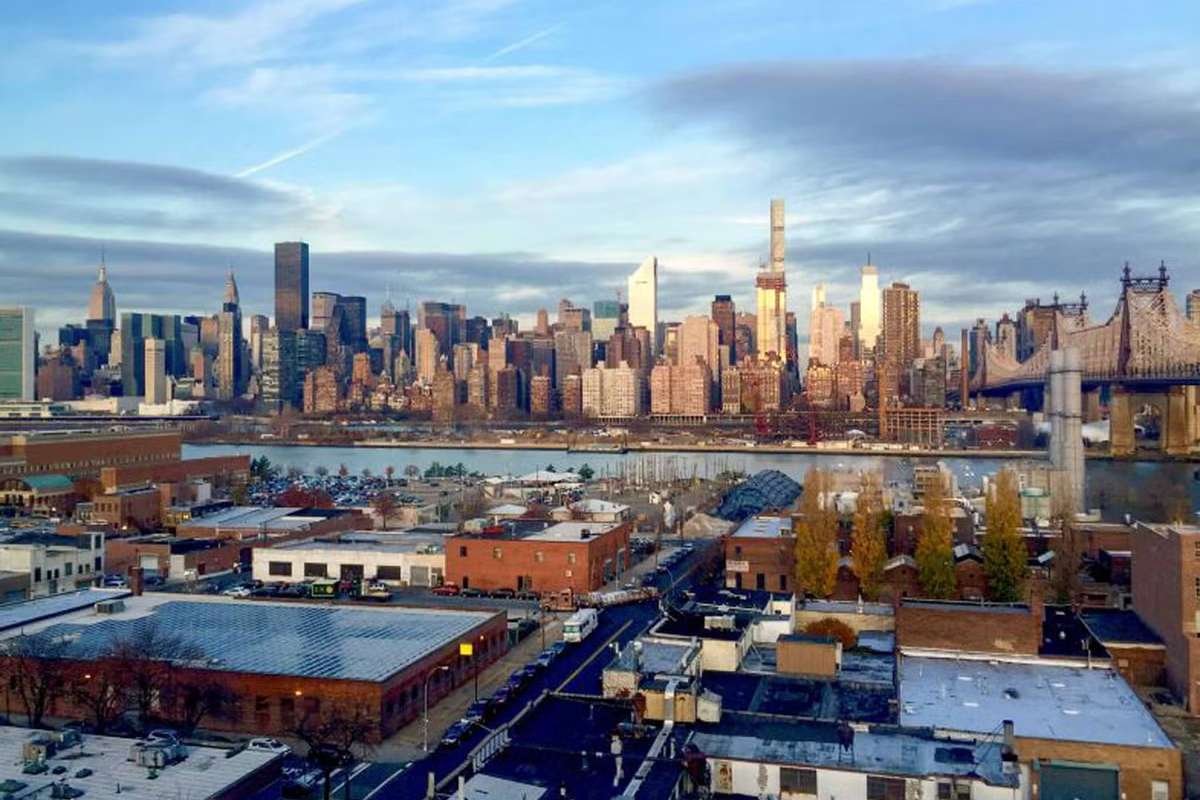
All this building isn’t happening in a vacuum; it’s changing daily life in Queens now. What was once underused or industrial land is turning into places where people live, walk, shop, and work.
That brings more jobs, more housing options, and more diversity of choices for residents. It also means better infrastructure, smoother commutes, and stronger local economies.
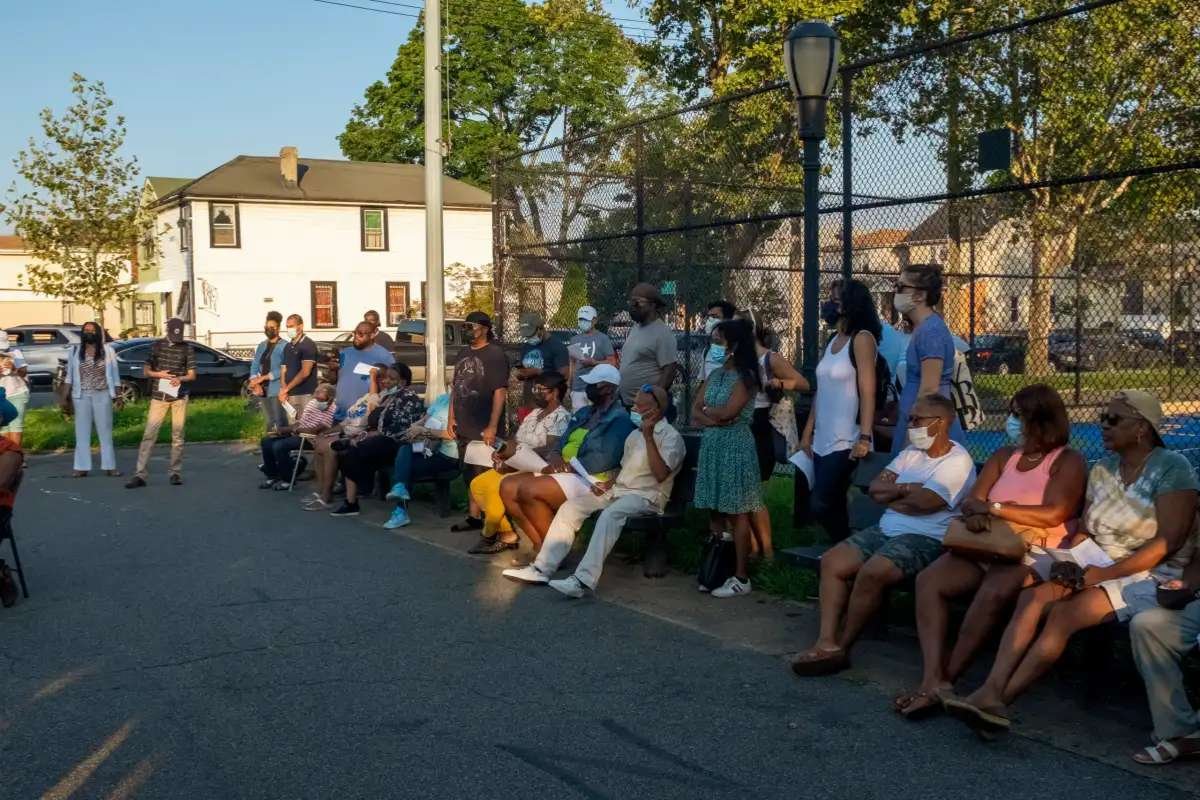
However, these changes also come with questions about affordability, community character, and how rapid growth affects longtime residents, tough but important conversations that are happening alongside construction cranes and rezoning maps.
Conclusion
From affordable homes to entire new neighborhoods, Queens urban development projects are reshaping one of New York City’s most dynamic boroughs. Whether it’s rezoning, mixed-use plans, or waterfront transformations, the future of Queens feels big, bold, and full of possibility.
The real question now is: where will you fit in Queens’ next chapter?