
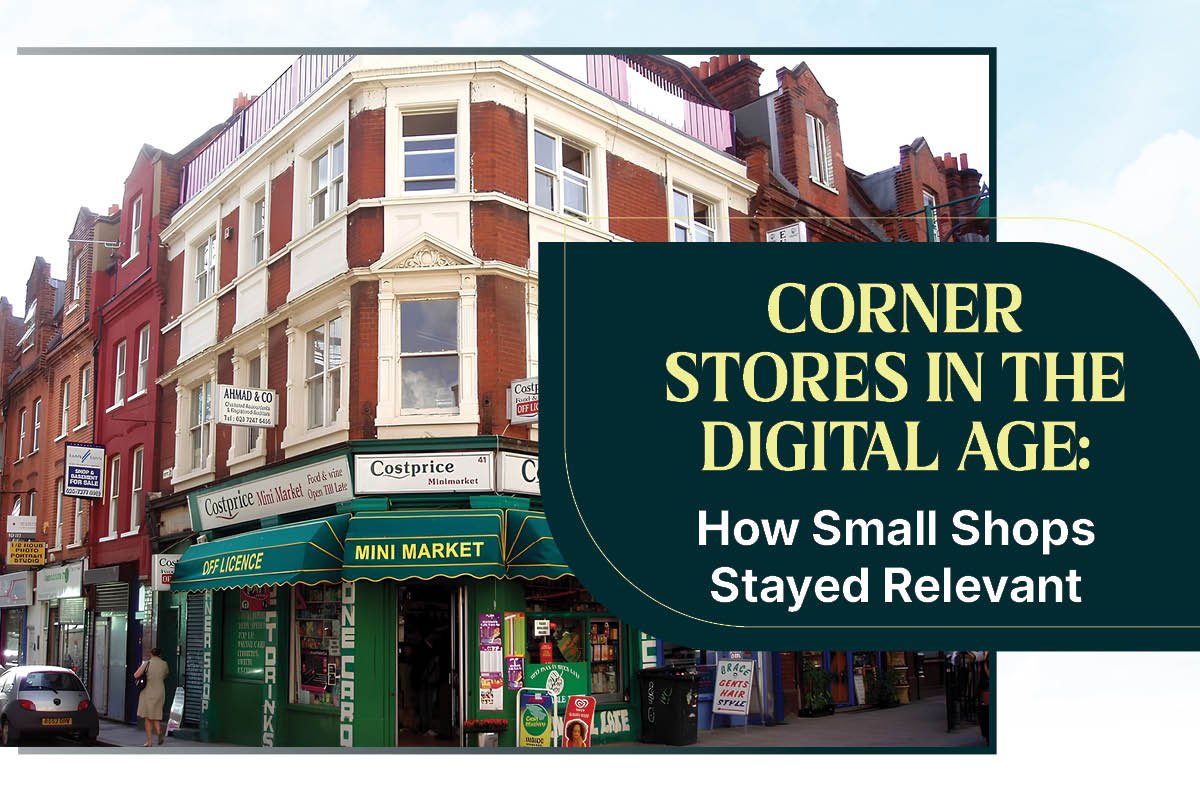
Every neighborhood once had a shop built for speed, proximity, and a familiar face behind the counter. That version of retail faced real pressure once supermarkets, e-commerce platforms, and delivery apps offered shoppers new ways to buy groceries without stepping outside. Customer habits shifted quickly, and expectations rose along with them.
So how did corner stores keep customers coming back when convenience moved online? The answer lies less in matching big retailers move for move and more in choosing which technologies to adopt, while holding onto the local qualities that no app can fully copy.
Meet Shoppers on their Screens
A regular sends a text instead of walking through the door: two loaves of bread, a carton of eggs, the usual. Minutes later, someone drops it off at her building. That small exchange sums up how corner stores earn business now.
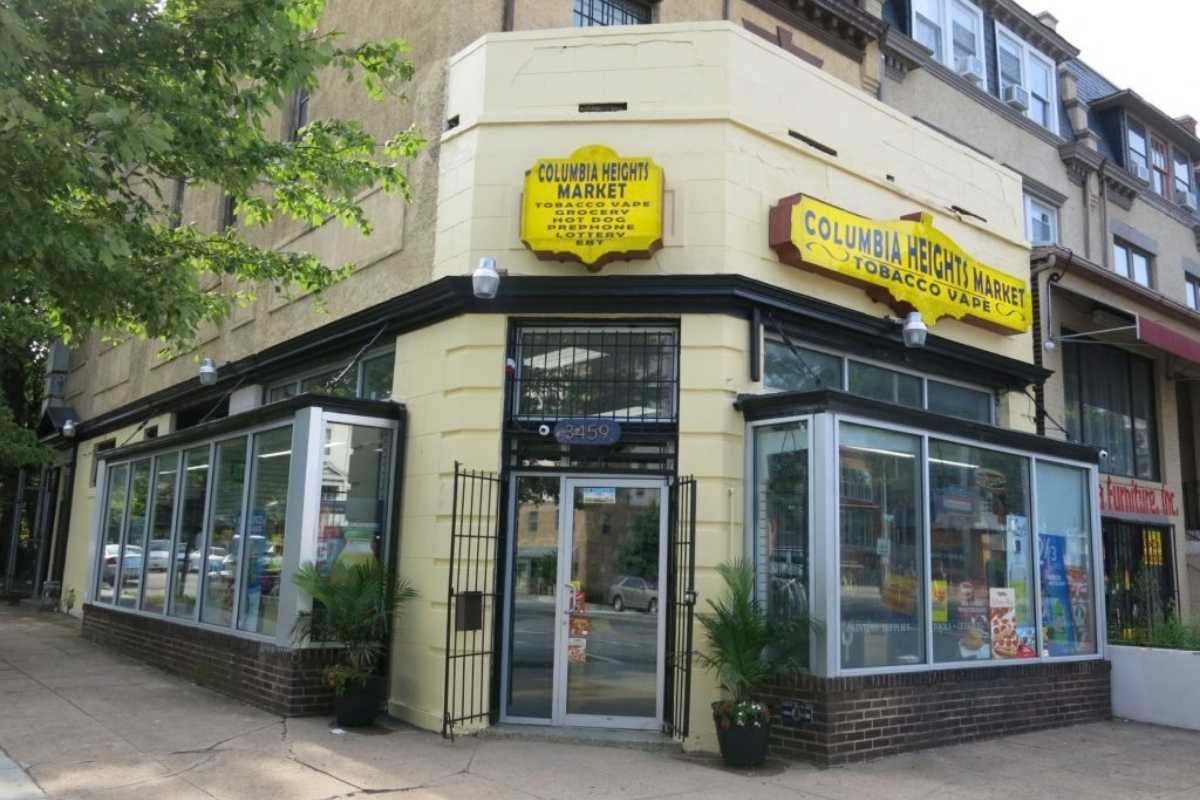
The shift, in short:
- Ordering: A text or app message replaces the walk-in
- Delivery: Partnerships carry goods straight to the door
- Timing: The pandemic pushed routine grocery runs onto phones
- Reach: One small shop can now serve blocks beyond its own step, without becoming a full online retailer
The counter stayed; a screen simply opened beside it. Those same messaging apps kept owners in touch with familiar faces about stock or a fresh delivery. The Atlantic noted tech partners helping neighborhood shops accept digital orders, and Flourish Ventures found messaging tools already common among small retailers in several emerging markets.
Make Every Transaction Faster
A line of three customers used to mean a slow count of coins at the register. That wait is mostly gone.
| Then | Now |
| Cash only, counted by hand | Tap, scan, or swipe in seconds |
| Register queue during busy hours | Mobile wallets and QR codes clear lines fast |
| One checkout, one clerk | Self-checkout kiosks handle steady foot traffic |
Corner stores built their appeal on quick errands, so a slow checkout worked against that promise. Contactless payments removed the friction cash created, and self-checkout gave busier locations a way to serve several customers at once.

Big A points to contactless payments and self-checkout as key tools convenience retailers use to speed things up, while Cloudpick highlights QR-based shopping and self-service kiosks doing similar work. Simplicity, not extra steps, made these tools worth adopting.
Learn More: The State of Small Businesses in Brooklyn NYC in 2026
Turn Stock Management Into a Data Problem
Paper counts and guesswork used to decide what stayed on the shelf and what ran out. For corner stores, that gap between guess and reality mattered more, since space and cash sat tight from the start.
Behind the Counter, What Changed:
- Stock levels shown in real time, not estimated from memory
- Automated alerts flag items before they run out
- Sales patterns reveal which products actually move
- Shelf space and cash freed up by cutting slow-sellers
METRO’s touchscreen terminals gave owners a simple dashboard: which products sold, which sat still, and when to reorder before shelves emptied. The lesson wasn’t that technology fixed everything. It solved one daily headache: tracking what a shop actually had, and that alone made it worth keeping.
Use Technology Without Losing the Human Touch
No app remembers a regular’s favorite tea the way a shop owner does. Corner stores kept that edge even as digital tools crept in, letting SMS offers and simple loyalty programs support relationships built over years, not replace them.
| Old Way | New Way |
| Owner remembers a regular’s order by heart | Digital terminal sends the same regular an SMS deal |
| Greeting a customer by name at the till | Loyalty program logs the visit automatically |
| Stocking jasmine tea because one customer asks for it | System flags it as a repeat purchase |
A kirana owner in India sends those SMS deals through a digital terminal, yet still greets each customer by name and remembers who prefers jasmine tea over black. The terminal changed how the offer arrived. It didn’t change who noticed the preference first.
Inc. has argued physical retailers hold a real advantage here: personal interaction and small daily moments online businesses cannot copy. Digitizing a relationship works. Removing it doesn’t.
Become Part of the Digital Supply Chain
Some technology companies stopped competing with small shops and started working alongside them, turning corner stores into small links in a much bigger chain.
Three new jobs a shop took on:
- Supplier, made simpler. Digital wholesale ordering replaced old paperwork with a few taps, giving owners direct access to stock.
- Pickup point. A shop becomes the spot where an online order waits for collection.
- Local delivery hub. Couriers treat the shop as a nearby base rather than a distant warehouse.
Platforms noted by The Atlantic added inventory tools on top of this, and Amazon’s tie-ups with shops across India show the same pattern at scale. Retail innovation technology gave small owners a direct line to suppliers and platforms once reserved for chains, adding income while keeping the shop itself the center of local commerce.
Choose the Right Technology, Not Every Technology
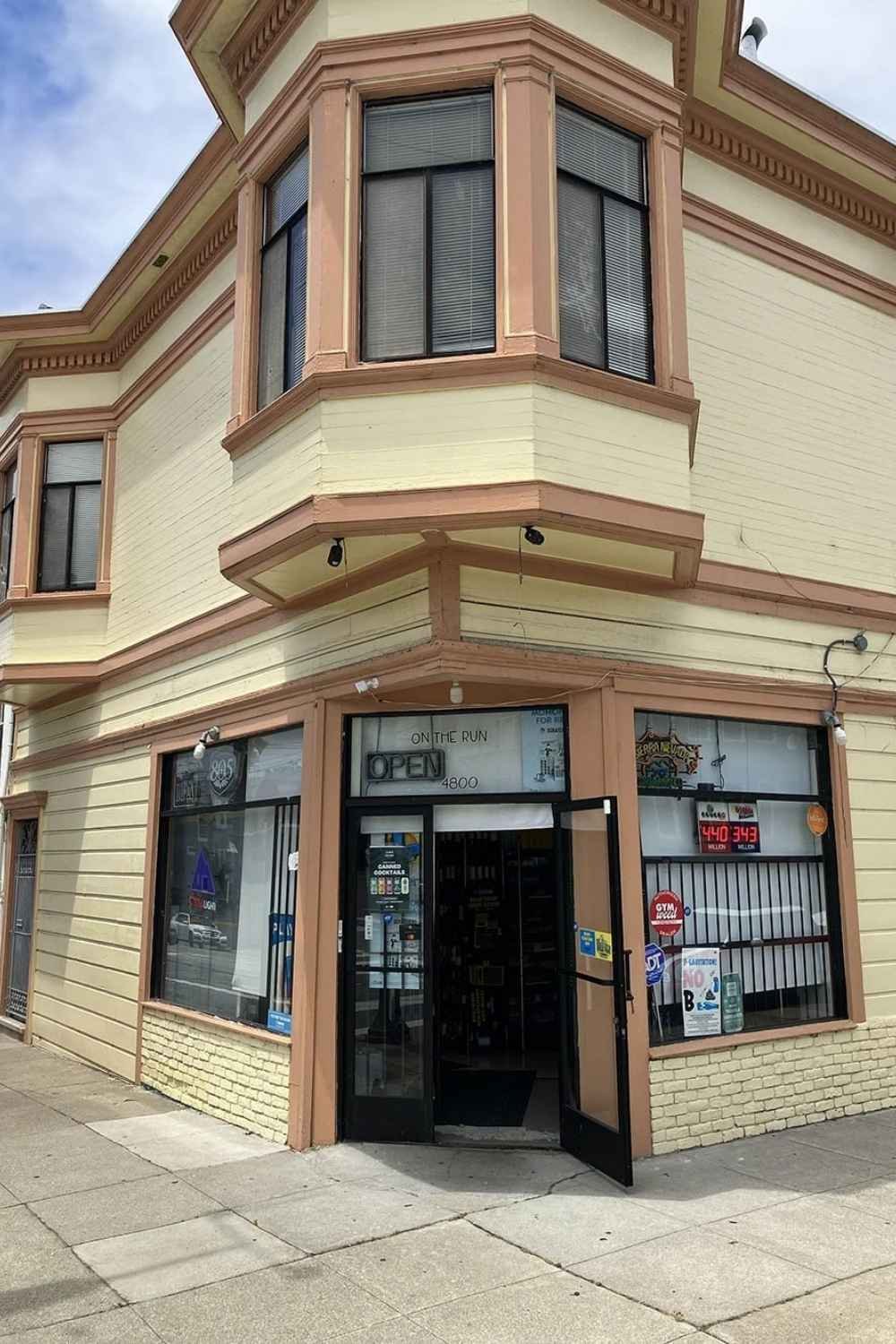
Picture an owner staring at a new inventory app, weighing its price against a nephew’s training time and an internet connection that drops twice a day. That hesitation makes sense. Cost, training, and shaky infrastructure keep many small retailers from adopting tools that look impressive but solve nothing they actually deal with.
Flourish Ventures found shopkeepers struggling with supply-chain gaps, paper-based processes, slow sales, and limited access to financial tools, with the mix changing from one market to the next. The lesson for corner stores stays practical: spot the biggest problem first, then bring in technology built to fix that one thing.
The New Store Model: Physical First, Digital When Useful
- Physical: a real counter, a familiar face, a shop rooted on one block.
- Digital: payments, ordering, inventory, promotions, and delivery, added only where they help.
That mix defines today’s corner stores better than any single upgrade. Xpert.Digital points to smart stores, cooperative shops, vending setups, and hybrid formats as possible next steps. None demand full automation. A small shop can borrow pieces of that model without rebuilding itself around a screen.
Closing: The Real Reason They Survived
Technology helped, but it never carried the whole weight. Proximity, convenience, local knowledge, and a familiar face at the counter did most of that work. Digital tools mattered when they backed up those strengths instead of replacing them. The real story of corner stores isn’t physical versus digital. It’s knowing which parts of each are worth keeping.