
Minority-owned businesses in NYC operate across food, fashion, retail, arts, and other fields. Many founders have built their companies by meeting local needs. Others have turned personal interests into products and services that attract loyal customers.
Their stories offer useful lessons on how to start and grow a business. This article looks at eight NYC companies from different fields. It covers their founders, business models, and growth plans. It also looks at common barriers and ways other firms can help.
What Do Minority-Owned Businesses Mean?
These are companies where people from minority groups own at least 51%. These owners must also control daily work and key business choices. In the US, the term often covers Black, Hispanic, Asian American, and Native American owners.
In New York City, eligible firms can apply for Minority and Women-owned Business Enterprise (M/WBE) status. This program helps firms access city contracts and business support. However, not all minority-owned firms have this certification.
8 Minority-Owned Businesses in NYC and What Entrepreneurs Can Learn From Them
NYC is home to firms in many fields and markets. According to the Center for an Urban Future, New York City has over 64,500 minority-owned firms. Some sell goods, while others offer services or shared spaces. The following examples show how founders have built their brands and found new ways to grow.
1. VeganHood
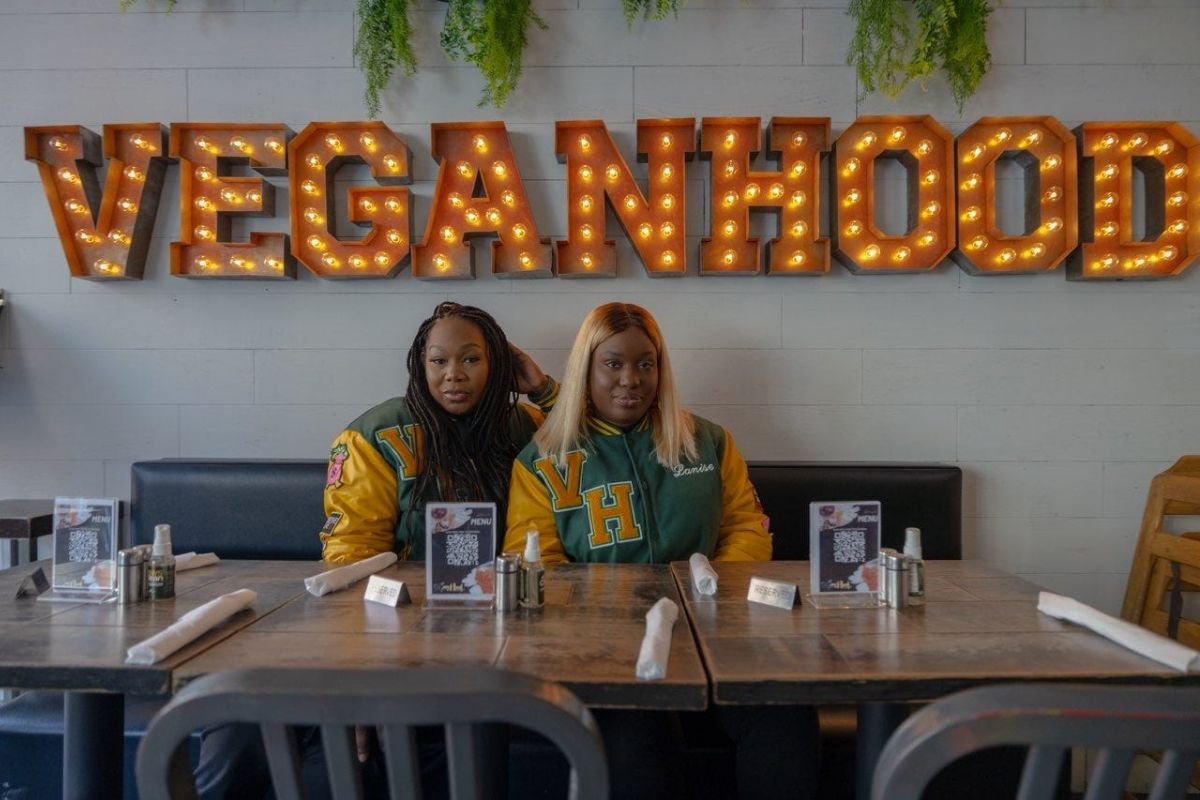
VeganHood was founded by sisters Janine Smalls-Gueye and Lanise Herman-Thomas in 2020. They started by selling sea moss and teas to support their youth nonprofit. Later, they added plant-based meals inspired by soul food and Caribbean dishes.
The sisters faced doubts about opening a full-service vegan restaurant. They first proved demand through meal sales and then raised funds from customers. Their story shows how testing an idea and building community trust can help turn a small venture into a larger business.
More Info: Best Restaurants in NYC
2. BLK MKT Vintage
BLK MKT Vintage was founded by Kiyanna Handy and Jannah Handy in 2014. The store sells vintage objects, books, art, and collectibles linked to Black history and culture.
The founders struggled to find Black history in many vintage shops. They turned this gap into a business by sourcing items from estate sales and online markets. They later added online sales, design work, and prop rentals. Their story shows how founders can build a strong brand by serving a market that others overlook.
3. Celsious
Celsious was founded by sisters Corinna and Theresa Williams in 2017. It offers laundry services, pickup, delivery, and eco-friendly care products. The founders wanted to make laundry cleaner and more pleasant for New Yorkers.
The pandemic forced them to change how they served customers. They shifted to drop-off laundry and created a wash-dry-bag service. This new offer improved service speed and helped them handle more orders. Their story shows why businesses should adapt their services when customer needs change.
4. Ginjan Bros
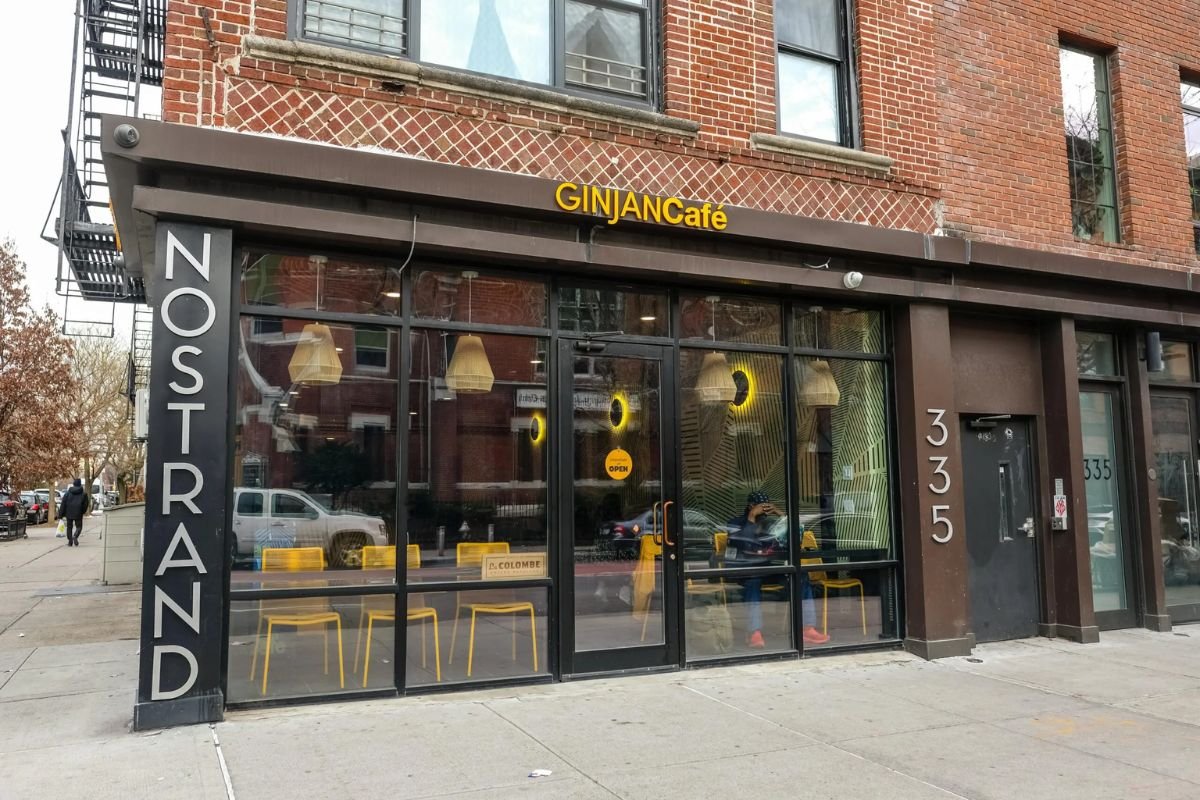
Ginjan Bros was founded by brothers Mohammed and Rahim Diallo. They started making Ginjan, a ginger-based African drink, in their Harlem apartment in 2014. Today, the brand sells drinks online and through retail stores.
It is one of the minority-owned businesses that started small. The brothers began with just $200 and faced trouble finding investors. They kept going by testing their product at local events. A retail deal with Whole Foods helped them reach more buyers. Their story shows how small tests and strong retail partners can help a new product grow.
5. Café con Libros
Café con Libros was founded by Kalima DeSuze in 2017. It is a feminist bookstore and coffee shop in Brooklyn. The store sells books by and about women and hosts events for its local community.
The founder faced tough price competition from large online sellers. She built a loyal customer base by focusing on books and stories often missing from major stores. The cafe and events also give people reasons to visit. Her story shows how a clear niche can help small shops stand out.
6. Cierra Britton Gallery
Cierra Britton Gallery was founded by Cierra Britton in 2021. It gives BIPOC women artists a space to show and sell their work. The gallery features paintings, photos, drawings, and other forms of art.
Britton saw that many artists lacked space in the mainstream art world. She first ran online shows and pop-up events before opening a gallery. She also raised $30,000 through crowdfunding to fund the space. Her story shows how founders can use community support to fund growth. “I do my best when I’m in a safe space. I feel comfortable to share and contribute and go further and build,” she explains.
7. Brooklyn Clay Industries
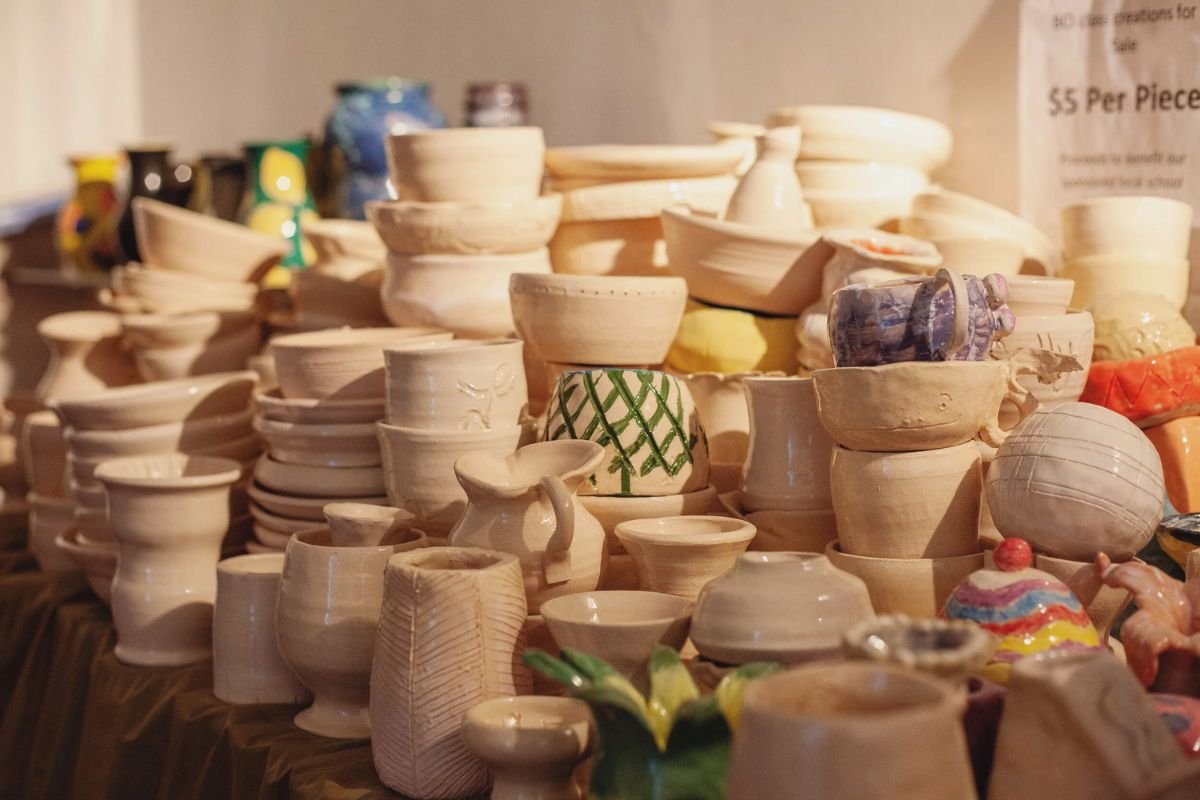
Brooklyn Clay Industries was founded by ceramic artist and teacher Reuben King. The studio offers pottery classes, workshops, shared work areas, and kiln services. It also sells finished pottery and art supplies.
Many artists need affordable space and tools to keep working. King built a shared studio where both new and skilled artists can create. The business also earns income through classes, memberships, and other services. Among lessons from minority-owned businesses, his story shows how founders can turn their skills into several income streams.
8. Harlem Hops
Harlem Hops was founded by Kim Harris, Kevin Bradford, and Stacey Lee Spratt in 2018. The bar serves craft beers from local and small breweries. It also gives more space to Black-owned beer brands.
The founders first faced zoning limits when planning their bar. They brought in an experienced partner to help move the idea forward. During the pandemic, they added takeaway sales and supported local firms. Their story shows how the right partners and strong community ties can help a business face setbacks.
What Challenges Do Minority-Owned Businesses Face in NYC?

Many of them face barriers to funding, contracts, and growth. High rent and daily costs add to the pressure. Some founders also lack access to strong business networks. These issues can make it hard to hire staff, buy stock, or open new sites.
Here are four common challenges:
1. Limited access to funds: Some founders find it hard to get loans or attract investors. A 2025 NYC study found that minority-owned firms face barriers to loans, insurance, and other funds.
2. Unequal access to city contracts: Government work can help small firms grow. Yet, minority- and women-owned firms received only 5.34% of the value of NYC contracts in FY2025. The city registered about $46 billion in contracts and orders that year.
3. High running costs: Rent, wages, stock, and bills can take up much of a small firm’s income. These costs can limit plans to hire staff or open new sites.
4. Fewer business links: New founders may lack links with buyers, suppliers, and investors. This can make it harder to find deals and grow their customer base.
Learn More: How to Overcome the Real Challenges of Running a Business in New York?
How Can Other Businesses Support Minority-Owned Businesses?
Other firms can help by giving these companies fair access to buyers and business links. They can also share skills, offer advice, and build long-term ties. Here are five ways to help:
- Buy from local firms: Add minority-owned firms to your list of suppliers.
- Build business links: Work with them on sales, supply, and joint projects.
- Offer guidance: Share tips on money, sales, hiring, and daily work.
- Pay on time: Prompt payment helps small firms manage their cash flow.
- Spread the word: Share their products, services, and events with your network.
These steps can help small firms find new buyers and steady work. They can also build trust between firms and create lasting business ties.
Conclusion
The eight minority-owned businesses show how founders turn ideas into lasting brands. Their growth comes from clear goals, strong customer ties, and smart business choices. Yet, access to funds and contracts remains a major hurdle. Study these firms, find ideas that suit your goals, and use their lessons to shape your own business plan.
FAQs
1. What makes a business minority-owned?
A firm is minority-owned when minority owners hold at least 51% ownership and control.
2. How can a business get M/WBE status in NYC?
Eligible firms can apply through the NYC Department of Small Business Services.
3. What industries do minority-owned businesses operate in?
They work in food, retail, tech, fashion, art, health, and many other fields.
4. What challenges do these businesses face?
They often face limited funds, high costs, fewer contracts, and weak business networks.
5. How can I support these businesses?
Buy their goods, hire their services, share their work, and build business ties.
Sources: