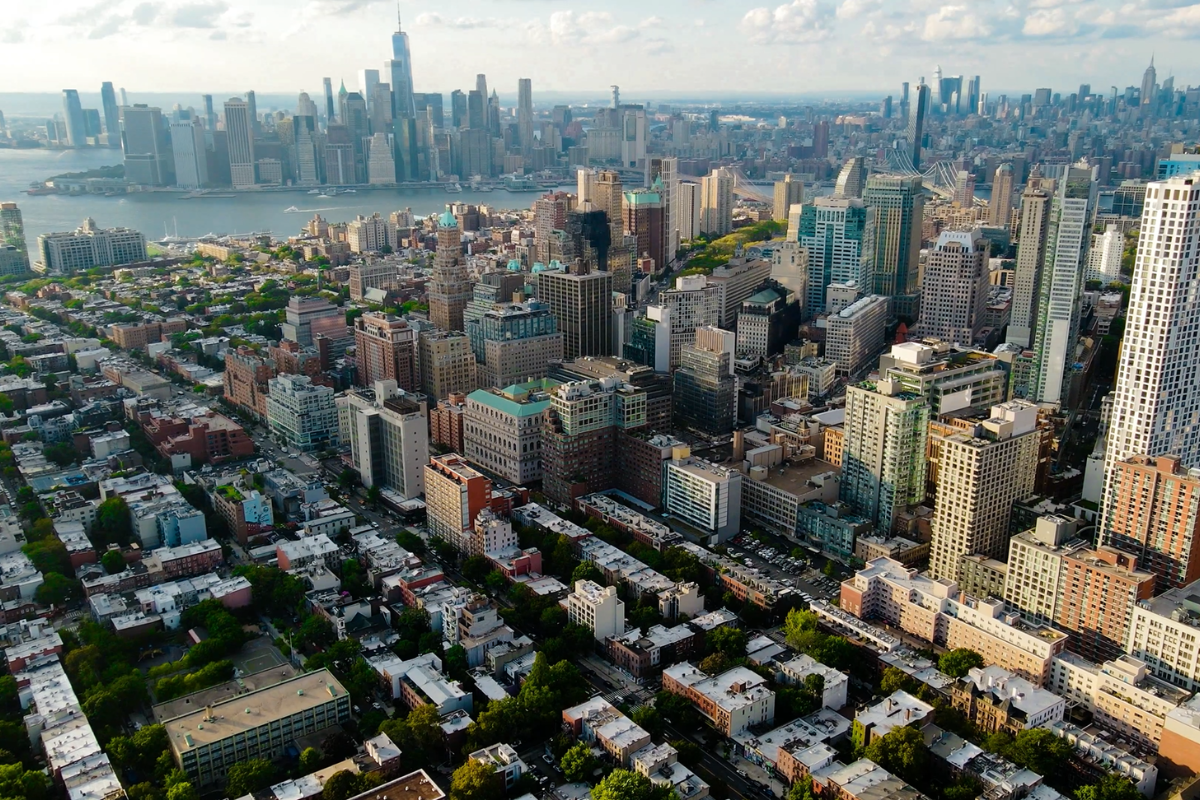
Brooklyn is still growing in 2026. More people want to live and work here, and that keeps demand high. Because of this, builders are adding new homes, offices, and mixed-use spaces across many neighborhoods.
But growth is not easy. Land is limited, and building costs are still high. Rules and approvals can also slow projects. This means new development takes time, even when demand is strong.
Right now, the market feels balanced. Prices are holding steady, and supply is slowly rising, but not fast enough to meet demand.
These Brooklyn real estate development trends help explain how the borough is changing:
1. Prices Stay Strong Even With More Supply
Home prices in Brooklyn are still high in 2026. But the pace of growth is slower than before.
- Median home prices are around $1.08M to $1.1M
- Some areas like Crown Heights may reach $1.25M+ by late 2026
- Overall home values in Kings County are up about 4–5% year over year
This shows a simple trend. Prices are not dropping, but they are not rising too fast either. One reason is balance. More homes are being built, but demand is still strong.
For local businesses, this helps. It means a stable flow of customers, since more people are staying in their neighborhoods longer.
2. A Big Shift Toward New Housing Development
One of the biggest Brooklyn real estate development trends is the rise in new construction.
In 2025 alone:
- 4,421 new housing units were built in Downtown Brooklyn
- Many more projects are still under construction or planned
This growth is not limited to one place. It is spread across:
- Downtown Brooklyn
- Gowanus
- Crown Heights
- East New York
Developers are focusing on large apartment buildings. Many now include shops, gyms, and shared spaces. This creates small local ecosystems. People can live, work, and shop in the same area. That gives a steady boost to nearby businesses.
3. Rental Growth Is Driving Development

Rental housing is now a key focus. Brooklyn has become one of the largest rental markets in New York. Most new projects are rentals, not condos.
Key signals:
- Nearly 10,000 new rental units added in early 2026 across key areas
- Rents are rising due to strong demand
- Vacancy is still low
Even with more supply, demand is higher. This matters because rental buildings bring steady income. That is why many developers prefer them. For business owners, this means more daily foot traffic. Renters often spend more in local shops and services.
4. Inventory Is Growing, But Still Tight
Inventory means how many homes are available for sale or rent.
In 2026:
- Listings are rising, but slowly
- Around 3,500+ rental listings were active in early 2026
- Supply is still below older levels
There is also a “rate lock” effect. Many owners are not selling because they have low mortgage rates. This reduces resale supply. So even when new buildings are added, the total supply stays tight. That helps keep prices stable and supports steady development.
5. A More Balanced Market for Buyers
Another key shift in Brooklyn real estate development trends is buyer behavior.
In early 2026:
- Contracts dropped by about 15%
- Homes are taking longer to sell
- Buyers have more room to negotiate
This does not mean a crash. It points to a more balanced market. High mortgage rates are slowing demand. Most rates are still around 5% to 6%.
So developers are adjusting. They now focus on:
- Better pricing
- More incentives
- Stronger amenities
This leads to better options for both buyers and renters.
6. Key Neighborhoods Driving Growth
Development is not the same across Brooklyn. Some areas are growing faster than others.
High-growth areas:
| Neighborhood | Trend in 2026 | Why it matters |
| Downtown Brooklyn | Major housing hub | High density and transit |
| Williamsburg | Strong demand | High-income renters |
| Crown Heights | Fast price growth | New investment |
| Gowanus | Rezoning growth | Large new projects |
| East New York | Affordable growth | Entry-level market |
Many of these areas offer lower entry prices with strong future value.
For example:
- Crown Heights may see growth near 12% each year
This mix of affordability and growth attracts both developers and buyers.
7. Rise of Mixed-Use and Lifestyle Spaces
Developers are not just building homes anymore. As part of current Brooklyn real estate development trends, they are creating complete living spaces.
New projects often include:
- Retail shops
- Cafes
- Co-working spaces
- Parks and shared areas
This changes how neighborhoods function.
People can live, work, and spend time in the same place. They do not need to travel far for daily needs. This is a strong link between real estate and local business ecosystems.
More mixed-use projects mean:
- More customers for small businesses
- Stronger neighborhood identity
- Better daily life for residents
8. Affordable Housing Still a Big Challenge
Even with new development, affordability remains a major issue. Many new buildings are designed for higher-income renters.
At the same time:
- Demand for affordable housing is still very high
- Some projects include affordable units, but not enough
For example, large projects in East New York plan to add hundreds of affordable homes.
But overall supply is still far below demand.
This gap affects:
- Local workers
- Small business employees
- Families
It also shapes where people choose to live and how they spend money.
9. What These Trends Mean for Local Businesses?

These Brooklyn real estate development trends are not just about housing.
They have a direct impact on local businesses.
Key impacts:
1. More customers in growing areas
New housing brings in more residents, which means more daily customers.
2. Higher rents for retail spaces
As neighborhoods grow, commercial rents also rise. This can increase costs for businesses.
3. Shift toward service-based businesses
Gyms, cafes, salons, and local services are growing faster than other types.
4. Stronger neighborhood clusters
Some areas become known for certain types of businesses, which attracts more visitors.
For example:
- Downtown Brooklyn is now a dense mix of housing and retail
- Williamsburg blends luxury living with lifestyle brands
10. What to Expect Next?
Looking ahead, a few trends are clear:
- Development will continue, but at a steady pace
- Prices will likely stay stable rather than rise sharply
- Rental demand will remain strong
- More mixed-use projects will continue to grow
There may also be policy changes. These can affect zoning rules, taxes, and affordable housing plans.
Overall, the direction is steady growth, not rapid change.
Conclusion
Brooklyn in 2026 is growing in a steady but complex way. More homes are being built, and more people are moving into the borough. New areas are developing quickly, and neighborhoods are changing as new projects take shape.
At the same time, supply is still tight. Even with new construction, there are not enough homes for everyone. Costs remain high, and affordability is still a concern. These Brooklyn real estate development trends show a market that is active but balanced.
For local businesses, this brings both opportunity and pressure. More residents mean more customers, but rising rents increase costs. This balance is what keeps Brooklyn one of the most important local business ecosystems today.