
In today’s business world, founders are obsessed with growth.
They track monthly recurring revenue, customer acquisition costs, and funding rounds. Startup culture celebrates speed, disruption, and scale. Yet, amid all the conversations about growth hacking and artificial intelligence, one business principle continues to stand the test of time: customer loyalty.
The most successful companies in the world don’t merely acquire customers—they keep them.
Ironically, some of the best lessons aren’t coming from billion-dollar tech companies. They’re coming from businesses that have quietly served their communities for decades.
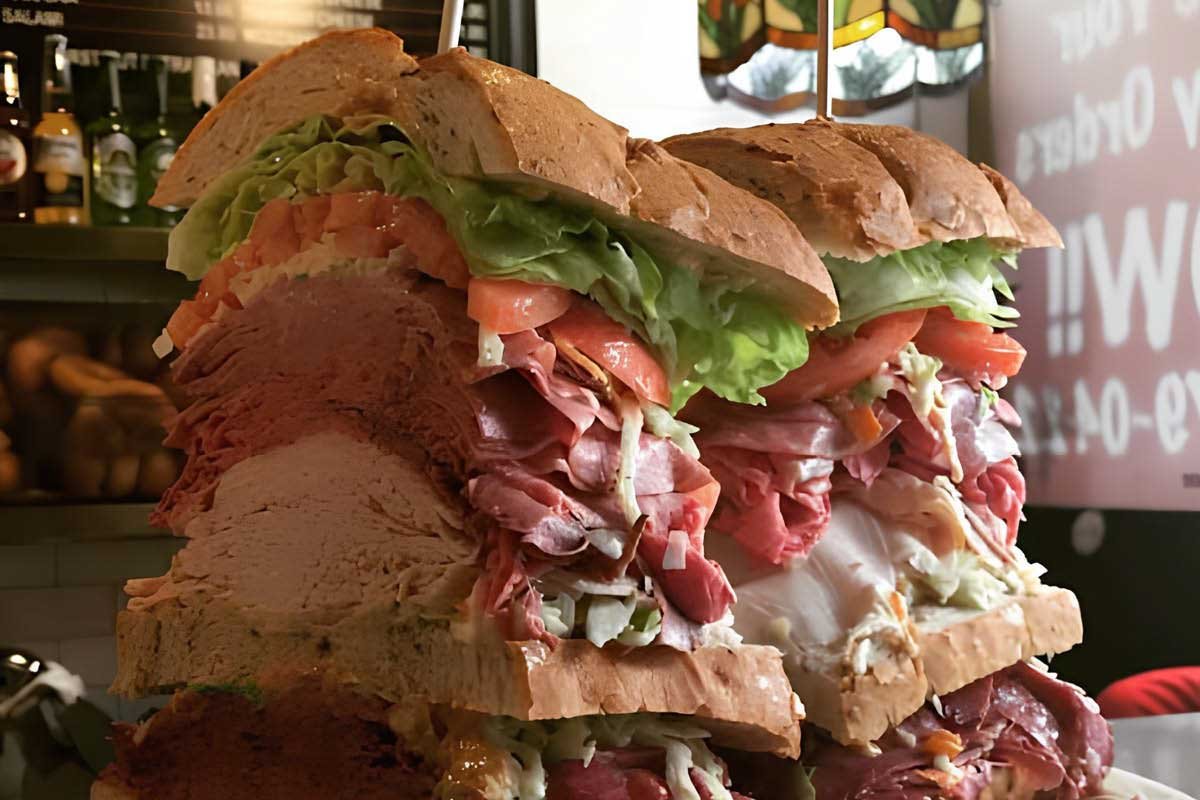
Take New York City’s iconic family-owned delis.
For more than 50 years, these establishments have welcomed generations of customers through their doors. They have survived economic downturns, changing consumer preferences, digital disruption, and even a global pandemic.
Their secret?
They understand that customer loyalty is not a marketing strategy. It’s a business philosophy.
For startups looking to build sustainable businesses, there may be no better classroom than a neighborhood deli in New York.
Why customer loyalty matters more than ever
Customer Retention has become one of the most valuable assets a company can possess.
Research consistently shows that retaining existing customers costs significantly less than acquiring new ones. Loyal customers are more likely to recommend businesses, spend more over time, and remain resilient during periods of economic uncertainty.
Yet many startups continue to prioritize acquisition over retention.
This creates a dangerous cycle:
- Spend heavily to acquire customers.
- Lose customers to competitors.
- Spend more money to replace them.
Meanwhile, businesses with strong customer retention continue to thrive.
The companies that dominate the next decade won’t necessarily have the biggest marketing budgets. They will have the strongest relationships with their customers.
The NYC family Deli that got it right
New York City is home to some of America’s most enduring businesses.
Consider the legendary Katz’s Delicatessen. Established in 1888, it has become more than a restaurant—it has become part of New York’s cultural identity.
Customers don’t visit solely for the food.
They return for:
- Familiarity.
- Consistency.
- Trust.
- Community.
- Experience.
That is the essence of building enduring customer connections
When customers feel connected to a business, they stop thinking like consumers and start behaving like advocates.
Every startup should ask itself one important question:
“If we disappeared tomorrow, would our customers miss us?”
If the answer is no, customer retention should become your highest priority.
Lesson #1: Consistency builds trust
One of the biggest drivers of customer loyalty is consistency.
People return to businesses because they know what to expect.
A family deli doesn’t reinvent its menu every quarter. It perfects what customers already love.
Many startups make the opposite mistake. They constantly pivot, redesign products, and chase trends. While innovation is important, consistency creates trust.
Customers want to know:
- Will the product work tomorrow?
- Will customer support respond?
- Will the experience remain the same?
Trust is built through repeated positive experiences.
For startups, consistency is often more important than novelty.
Lesson #2: Build community, not just customers
The strongest businesses don’t have customers.
They have communities.
Long before “community-led growth” became a buzzword, neighborhood businesses understood the importance of belonging.
People gathered at local delis because they felt connected to the people around them. The same principle applies today.
Companies like Apple, Airbnb, and Peloton have mastered this concept. Their users feel like they are part of something larger than a transaction.
Building brand affinity means creating opportunities for people to engage with your brand beyond purchases.
To gain more customer loyalty Ask yourself:
- Do customers interact with each other?
- Do they recommend your business?
- Would they advocate for your company publicly?
Communities create emotional connections.
And emotional connections drive customer retention.
Lesson #3: Customer experience is your brand
Many businesses spend months refining logos, colors, and taglines.
Customers don’t remember any of those things.
They remember experiences.
Customer experience remains one of the most overlooked customer loyalty strategies in business today.
Consider the moments that define a brand:
- Product onboarding.
- Customer support.
- Billing transparency.
- Delivery times.
- Follow-up communication.
Your brand is not what you say about yourself.
It is what customers say about you when you’re not in the room.
A family deli understands this instinctively. Every interaction contributes to its reputation.
Startups should adopt the same mindset.
Lesson #4: Human connection still wins
Artificial intelligence (AI) is transforming every industry.
Yet, despite advances in technology, people remain loyal to people.
One thoughtful email from a founder can create more lifelong customers than an expensive advertising campaign.
Human connection continues to be one of the most effective customer retention strategies available.
Customers remember businesses that:
- Listen.
- Respond.
- Show empathy.
- Admit mistakes.
- Deliver on promises.
As businesses become increasingly automated, genuine interactions become increasingly valuable.
Ironically, the future of customer loyalty may depend on preserving human experiences.
Lesson #5: Think lifetime value
Family-owned businesses rarely think in quarters.
They think in generations.
This perspective changes everything.
Instead of asking, “How much revenue can we generate this month?” they ask, “Will this customer still be with us ten years from now?”
That is the foundation of customer retention.
A customer who spends $50 every month for twenty years is infinitely more valuable than a customer who makes a single purchase and never returns.
Startups should focus on:
- Lifetime customer value.
- Retention rates.
- Repeat purchases.
- Referral rates.
- Customer satisfaction.
Building lifelong customers requires patience, but the long-term rewards are substantial.
Why startups struggle with retention strategy

Many startups face a community trust problem without realizing it.
They optimize for growth while neglecting retention.
Common mistakes include:
- Overpromising and underdelivering.
- Ignoring customer feedback.
- Prioritizing acquisition over retention.
- Frequently changing products.
- Failing to communicate effectively.
Today’s consumers have more choices than ever before. Switching from one product to another has become increasingly easy.
This makes customer loyalty a competitive advantage.
Businesses that successfully retain customers will continue to outperform those that rely exclusively on paid acquisition.
The future of customer loyalty
The future belongs to businesses that create trust.
Technology will continue to evolve. Artificial intelligence will reshape industries. Consumer preferences will change.
However, the fundamentals of enduring customer connections remain remarkably consistent.
People want:
- Reliability.
- Transparency.
- Human connection.
- Exceptional experiences.
- Businesses they can trust.
These principles have guided successful businesses for generations.
They will continue to guide successful businesses in 2027 and beyond.
The Deli formula

Across New York City, family-owned delis that have served customers for generations offer valuable lessons in customer retention and trust.
Long before startups began discussing “community-led growth” and “customer lifetime value,” neighbourhood establishments were quietly mastering these principles. Businesses like Katz’s Delicatessen, founded in 1888, along with beloved institutions such as 2nd Ave Deli and Sarge’s Delicatessen & Diner, have survived economic recessions, changing consumer behaviours, and waves of technological disruption.
Their success in achieving long-lasting customer loyalty isn’t rooted in sophisticated marketing campaigns or billion-dollar investments. Instead, it is built on something far more enduring: consistency, exceptional customer experiences, and relationships that span generations.
Walk into any of these establishments on a busy afternoon, and you’ll notice a common thread. Regulars are greeted like old friends, traditions are carefully preserved, and customers return not just for the food, but for the familiarity and trust these businesses have cultivated over decades.
For today’s founders and business leaders, these iconic New York delis offer an important reminder: while industries evolve and technologies change, the fundamentals of building a lasting business remain remarkably constant.
The question isn’t how these businesses have survived for so long.
The real question is: what can modern startups learn from them?
Final thoughts
A 50-year-old family deli may never appear on a list of the world’s fastest-growing companies.
It may never raise venture capital or launch an IPO.
Yet it possesses something many startups desperately want: unwavering customer loyalty.
For founders, entrepreneurs, and business leaders, the lesson is clear.
Growth matters.
Revenue matters.
Innovation matters.
But if customers don’t return, none of those things are sustainable.
Because at the end of the day, businesses aren’t built through marketing campaigns or growth hacks.
They’re built one relationship at a time.
And perhaps that is the greatest lesson a family-owned NYC deli can teach the modern startup world.