
New York is not just a city. It’s a pressure cooker.
You walk in with a dream. The city asks, “How serious are you?”
It doesn’t care about your degree. It doesn’t care about your plan B. It rewards speed, courage, and the ability to keep going when everything breaks. That’s why the biggest names in business, tech, media, and finance didn’t just build companies here. They built legacies.
Ever wondered why some people turn small ideas into billion-dollar brands while others stay stuck? Is it luck? Timing? Or something sharper?
The truth is simple. The people who win in New York don’t wait. They move fast. They take risks. They fail loudly and still show up the next day.
This is where Industry pioneers in New York stand apart. They don’t follow trends. They create them. They don’t wait for opportunities. They build them.
In this article, you’ll meet the minds shaping industries in 2026. Their stories are not perfect. But they are powerful, real, and worth learning from.
Why New York Creates Industry Leaders?
New York works like a giant test lab.
- It connects finance, media, fashion, and tech in one place
- It rewards bold thinking and fast execution
- It attracts global talent and sharp competition
That’s why Industry pioneers in New York often lead global change, not just local success.
Top 10 Industry Pioneers New York 2026
1. Jamie Dimon

Jamie Dimon is not just a banker. He is a crisis manager.
As the CEO of JPMorgan Chase, he leads one of the most powerful financial institutions in the world. But what makes him stand out is not just size, it’s stability.
During major financial storms like the 2008 crisis and later economic disruptions, while many banks struggled or collapsed, JPMorgan stayed strong. That didn’t happen by luck. Dimon focuses deeply on risk management. He prepares for worst-case scenarios even when things look good.
His leadership style is simple and sharp:
- Speak clearly
- Act quickly
- Think long-term
He avoids unnecessary complexity. He asks tough questions. He expects real answers.
Key Lesson: Stay calm when others panic. Smart decisions made under pressure define true leaders.
2. Jessica Tisch
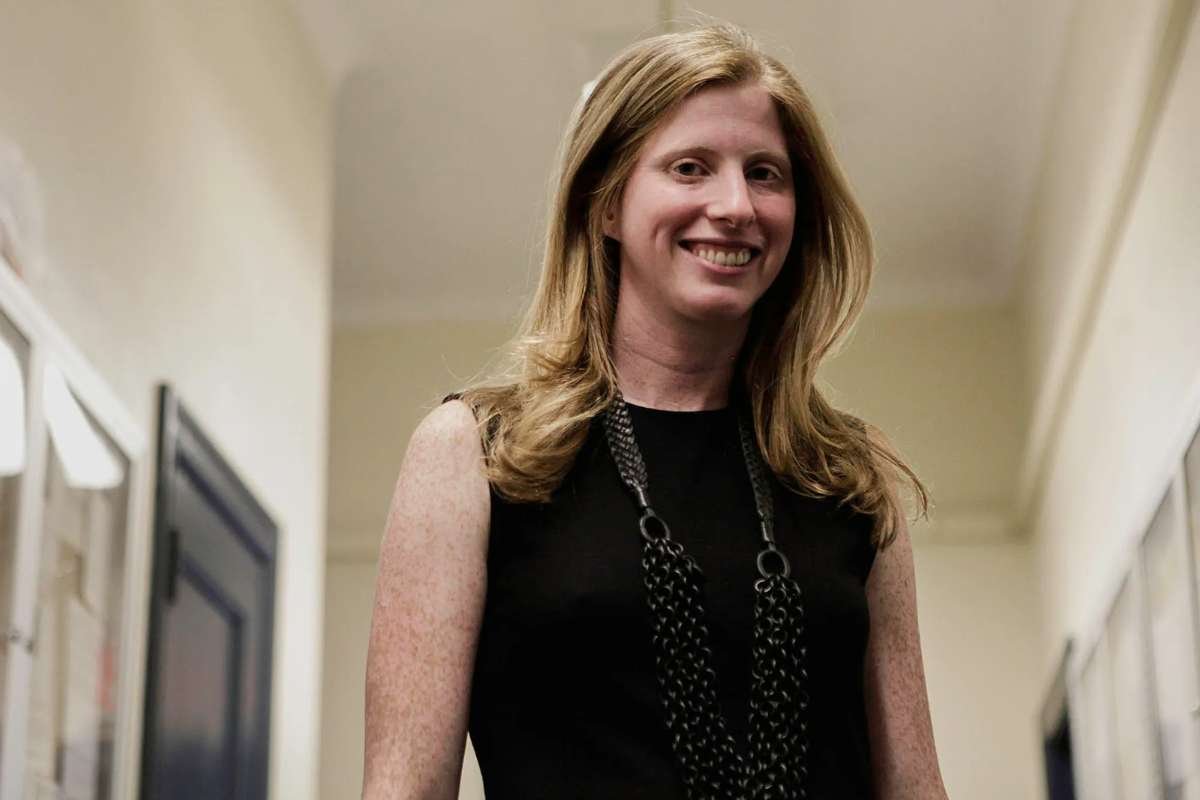
Jessica Tisch works at the intersection of leadership and public impact.
She plays a major role in improving how New York City runs. From technology upgrades to better public systems, her focus is simple: to make life easier for people.
Instead of sticking to old methods, she pushes for modern solutions:
- Digital services
- Faster systems
- Better data use
Her work affects millions of residents, even if they don’t realize it daily. When systems run smoothly, cities feel better. That’s her impact.
She represents a new wave of leaders who are not stuck in tradition. They adapt fast and think about real-world problems.
This is what sets her apart as one of the industry pioneers in New York.
Key Lesson: Leadership is not about position. It’s about solving problems that matter to people.
3. David Solomon
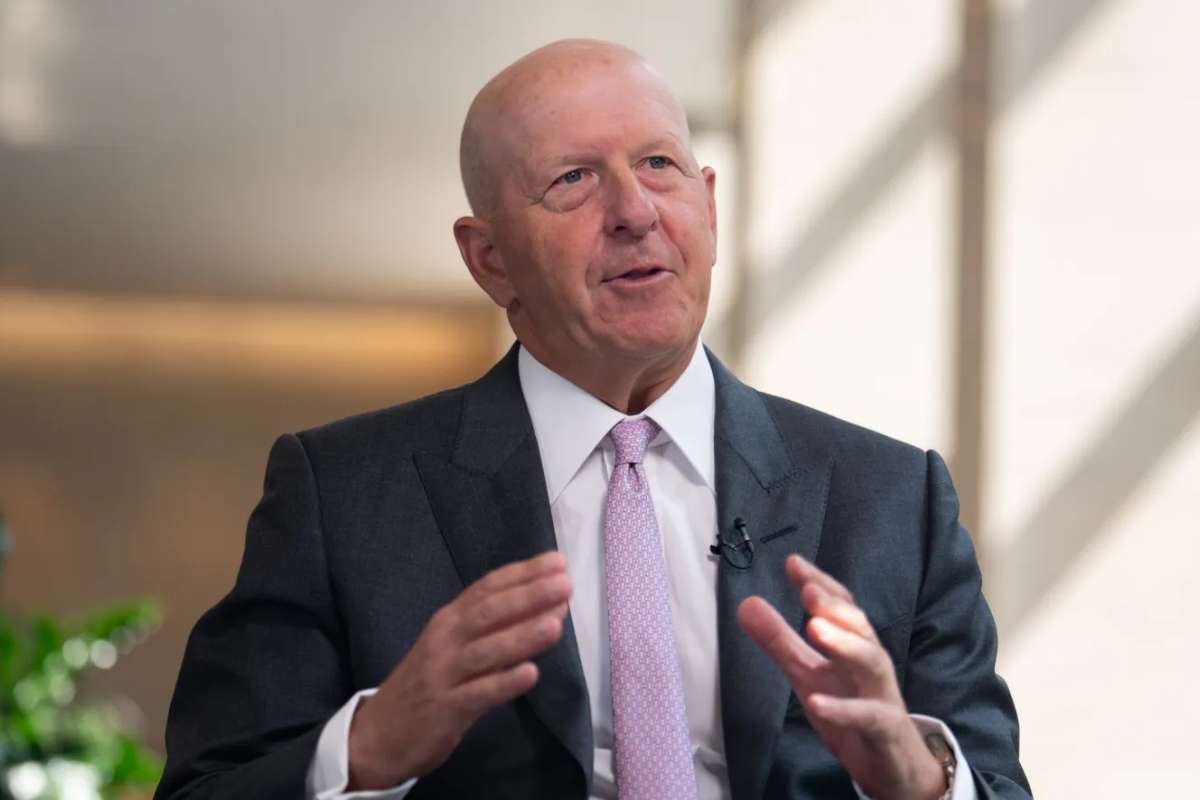
David Solomon leads Goldman Sachs, one of the most respected names in global finance.
But he didn’t just maintain the company, he changed it.
He pushed Goldman Sachs to move beyond traditional investment banking and step into:
- Digital banking
- Consumer finance
- Technology-driven services
This shift helped the company stay relevant in a fast-changing world.
What makes Solomon different is his personality. He performs as a DJ in his free time. That may sound unrelated, but it shows something important: leaders don’t have to fit one mold.
He mixes discipline with creativity. Structure with personality.
Key Lesson: You don’t need to act like every other leader. Your uniqueness can become your strength.
4. Sara Blakely

Sara Blakely’s story is simple but powerful.
She started Spanx with $5,000 and one idea: to make undergarments more comfortable and useful for women.
She had no experience in fashion. No big investors. No industry connections.
What she had was:
- A real problem to solve
- Strong belief in her idea
- The courage to keep going
She faced rejection again and again. Manufacturers said no. Retailers said no. But she kept pushing.
Today, Spanx is a global brand.
Her success didn’t come from a complex strategy. It came from understanding customers and staying consistent. like many industry pioneers in New York.
Key Lesson: You don’t need perfect knowledge. You need persistence and belief in your idea.
5. Alexis Ohanian

Alexis Ohanian helped build Reddit, one of the most powerful online communities in the world.
Reddit is not just a website. It’s a place where millions of people share ideas, opinions, and conversations every day.
Ohanian believed in one simple idea: give people a platform, and they will create value.
After Reddit, he focused on investing in startups and supporting founders. He also speaks about:
- Fair internet practices
- Creator rights
- Open communities
He understands how digital spaces shape real-world thinking.
Key Lesson: Build platforms, not just products. Communities create long-term power.
6. Whitney Wolfe Herd

Whitney Wolfe Herd didn’t just launch another dating app; she challenged how the entire space worked. When she created Bumble, her idea was simple but powerful: women should make the first move.
That one decision solved multiple problems at once: harassment, spam messages, and low-quality interactions. Instead of competing on features, she competed on values.
What made her different:
- She turned a social problem into a product feature
- She built trust before scale
- She made safety a brand identity, not just a feature
Real impact: Bumble didn’t just grow; it changed expectations across dating apps. Competitors had to rethink user safety and experience.
Lesson: Strong values are not “soft.” They can be your biggest business advantage when done right. like many industry pioneers in New York.
7. Ryan Reynolds
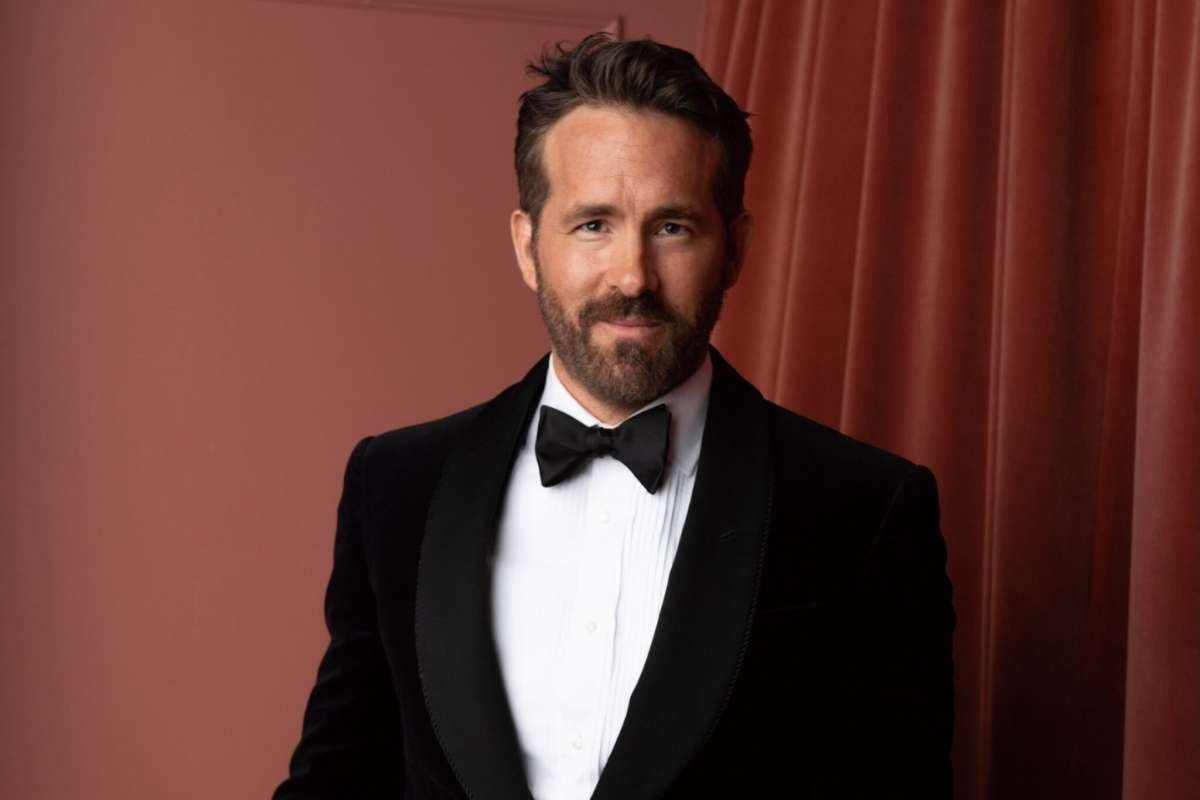
Ryan Reynolds is not just an actor; he’s a branding machine.
He invested in companies like Mint Mobile and Aviation Gin and turned them into massive successes using one core skill: storytelling.
What made him different
- He made ads entertaining, not annoying.
- He used humor to build an emotional connection
- He became the face of the brand without overpowering it
Real impact: Mint Mobile saw huge growth, and Aviation Gin gained global recognition, not because of traditional ads, but because people actually enjoyed watching the content.
Lesson: People don’t remember products. They remember how you made them feel. Personality + storytelling = growth.
8. Anne Wojcicki
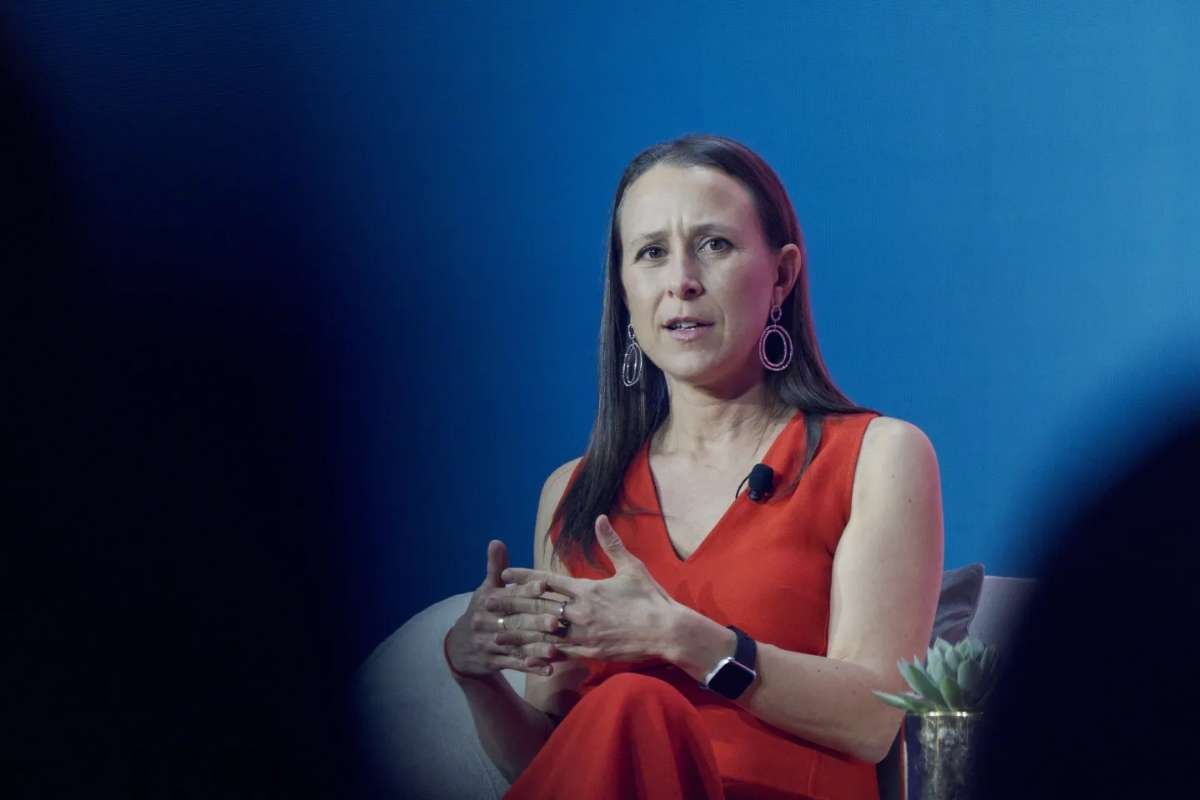
Anne Wojcicki took something complex, DNA science, and made it simple enough for anyone to use at home through 23andMe.
Before this, genetic testing felt distant and clinical. She brought it into everyday life.
What made her different
- She simplified a highly technical field.
- She focused on user experience, not just science
- She made health data personal and accessible
Real impact: Millions of people now understand their ancestry and health risks with a simple test kit.
Lesson: If you can simplify complexity, you unlock massive markets.
9. Kevin Ryan

Kevin Ryan is not known for one company; he’s known for building many. He played a key role in creating businesses like Business Insider.
His strength is not just ideas. Its systems.
What made him different
- He builds repeatable processes.
- He focuses on hiring strong teams.
- He scales ideas instead of chasing new ones every time.
Real impact: He helped launch and grow multiple successful companies across industries.
Lesson: Success is not magic. It’s a system you can build, improve, and repeat.
10. Emily Weiss

Emily Weiss didn’t start with products. She started with a blog called Into the Gloss. She listened to what people wanted, and then built Glossier around it.
What made her different
- She built a community before selling anything
- She treated customers like collaborators
- She focused on real needs, not trends
Real impact: Glossier became one of the most loved beauty brands, especially among younger audiences.
Lesson: If you listen carefully, your customers will tell you exactly what to build.
What Makes These Leaders Different?
The Industry pioneers in New York share some clear traits:
- They act fast
- They solve real problems
- They adapt without fear
- They build strong networks
They don’t wait for perfect conditions. They move anyway.
Conclusion
New York doesn’t hand out success. It tests you first.
It pushes you, breaks you, and then asks, “Still here?”
The people who say yes become legends.
That’s the real story of Industry pioneers in New York. They didn’t wait for the right moment. They became the moment.
So here’s a simple question for you: Are you waiting, or are you building?
Because the city never slows down. And neither should you.
FAQs
1. Who are the Industry pioneers in New York?
A: They are leaders and entrepreneurs who have shaped industries like finance, tech, media, and fashion in New York.
2. Why is New York important for business growth?
They are leaders and entrepreneurs who have shaped industries like finance, tech, media, and fashion in New York.
3. What industries dominate New York?
A: Finance, media, technology, fashion, and real estate lead the market.
4. Can beginners succeed in New York?
A: Yes. Many top founders started with small ideas and limited resources.
5. What is the biggest lesson from these pioneers?
A: Take action fast, stay consistent, and focus on solving real problems.