
New York City runs fast. Blink once, and someone just launched a startup, raised millions, and grabbed a coffee before you finished your first sip.
Now imagine doing all that while breaking stereotypes, leading teams, and making billion-dollar decisions daily.
That is the reality of women leaders in NYC business.
They are not just “doing well.” They are rewriting the rules. They are building companies from scratch, fixing broken systems, and walking into rooms where they were once not even invited.
But here is the real question…
What makes them different?
Is it confidence? Timing? Luck? Or something deeper that most people ignore?
This article answers that. Not with complicated theories. Not with boring corporate talk. Just real stories, simple lessons, and powerful insights from women leaders in NYC business who turned pressure into progress.
Why Women Leaders in NYC Business Matter?
New York is one of the toughest business environments in the world. Competition is high. Costs are higher. Expectations are brutal.
Still, women leaders in NYC business continue to rise.
They bring:
- Clear thinking instead of noise
- Long-term vision instead of quick wins
- Strong teams instead of solo success
Studies show companies with diverse leadership perform better. That is not a trend. That is a fact backed by data.
Top 10 Women Leaders in NYC Business
1. Jane Fraser

Age: 58 | Brand: Citigroup | Net Worth: ~$25 Million
Jane Fraser did not just enter Wall Street; she changed its story. Leading a global bank like Citigroup is not a simple job. It means handling billions of dollars, managing risks across countries, and making decisions that affect economies.
She built her career step by step. She worked across roles in Latin America, investment banking, and strategy. That gave her a deep understanding of how global finance actually works, not just on paper, but in real life.
What makes her leadership special is her focus on simplification. Big banks often become too complex. Too many systems. Too many rules. Too many layers. Jane cut through that noise. She pushed Citigroup to focus on core markets and exit areas that were not working.
She also pays strong attention to risk control. After past financial issues, she made sure systems became tighter and more reliable. At the same time, she is pushing digital banking so that customers
can manage money faster and easier.
Her style is not loud. She does not chase headlines. She leads with clarity, discipline, and steady action.
2. Whitney Wolfe Herd

Age: 36 | Brand: Bumble | Net Worth: ~$510 Million
Whitney Wolfe Herd saw a problem that most people ignored. Dating apps gave power mostly to men. Conversations often started in ways that made women uncomfortable.
She flipped that model.
With Bumble, women make the first move. That one rule changed the entire experience. It gave control, safety, and confidence to users.
But her journey was not easy. Before Bumble, she faced public challenges and legal battles in her previous company. Instead of stepping back, she built something stronger. She focused on creating a respectful online space. Over time, Bumble expanded beyond dating into friendships and professional networking.
Her biggest achievement came when Bumble went public. She became one of the youngest female CEOs to take a company to the stock market and one of the few women to do so.
Whitney’s story shows one thing clearly: a simple idea, when backed by courage, can build a global brand.
3. Indra Nooyi
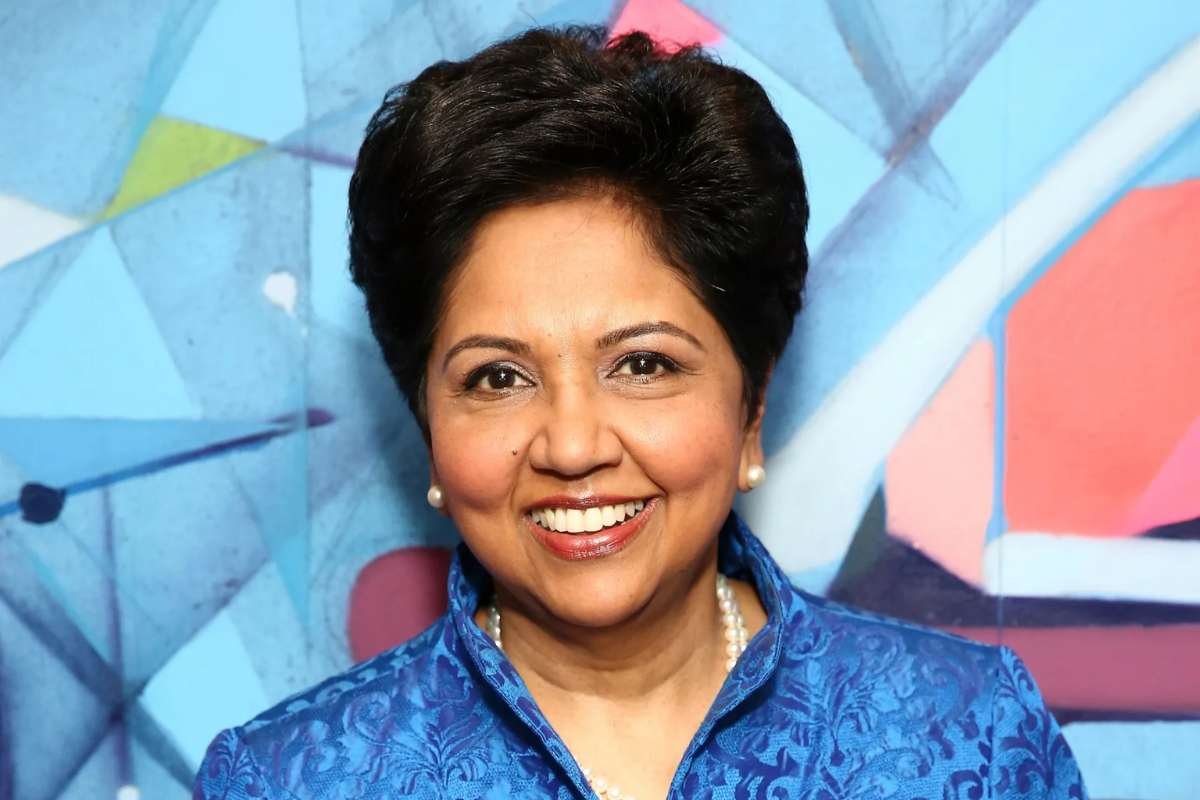
Age: 70 | Brand: PepsiCo | Net Worth: ~$350 Million
Indra Nooyi’s journey is not just about success. It is about transformation.
When she led PepsiCo, the company was known mostly for sugary drinks and snacks. She saw the future early. People would want healthier options. She pushed the company in that direction, even when it was not popular at the time.
She introduced the idea of “Performance with Purpose.” That meant growing profits while also caring about health, the environment, and society.
Under her leadership, PepsiCo invested in healthier products, reduced sugar content, and focused on sustainability. These decisions shaped the company for the long term.
Her leadership style combined sharp strategy with human connection. She was known for writing personal letters to employees’ families, thanking them for their support.
Coming from India and reaching the top of a global company, she broke multiple barriers. Even today, her ideas influence leaders across industries.
4. Jessica Alba
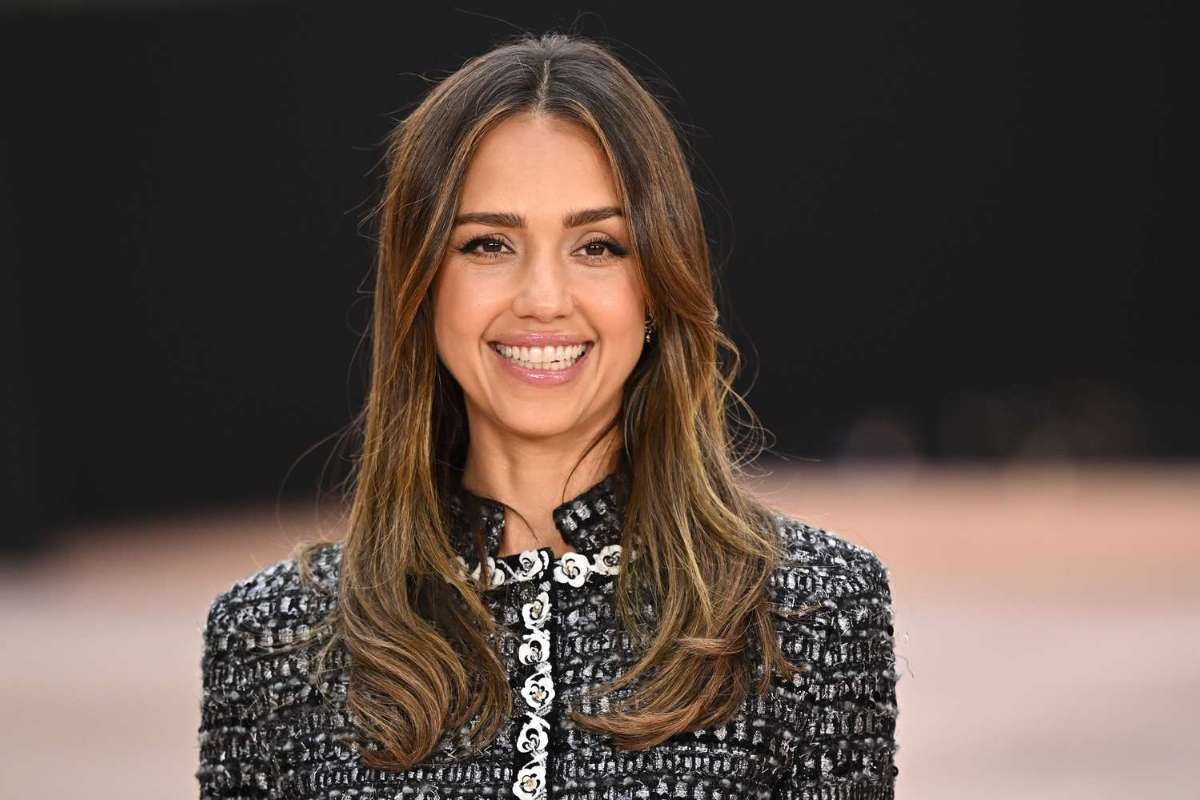
Age: 44 | Brand: The Honest Company | Net Worth: ~$60 Million
Jessica Alba did not start as a business expert. She started as a concerned parent.
She struggled to find safe, chemical-free products for her child. That frustration became her business idea.
She built The Honest Company with one clear promise: transparency. Customers should know what they are buying. No hidden ingredients. No confusing labels.
In a market full of big brands, this approach stood out. People trusted her brand because it felt real.
She also used her public image wisely. Instead of just promoting products, she talked about safety, health, and awareness. That built a strong emotional connection with customers.
Building a company as a celebrity comes with doubts. Many people questioned her seriousness. But she proved them wrong by staying involved in product development and brand decisions.
Her journey shows that business ideas can come from real-life problems, not just boardrooms.
5. Anne Wojcicki
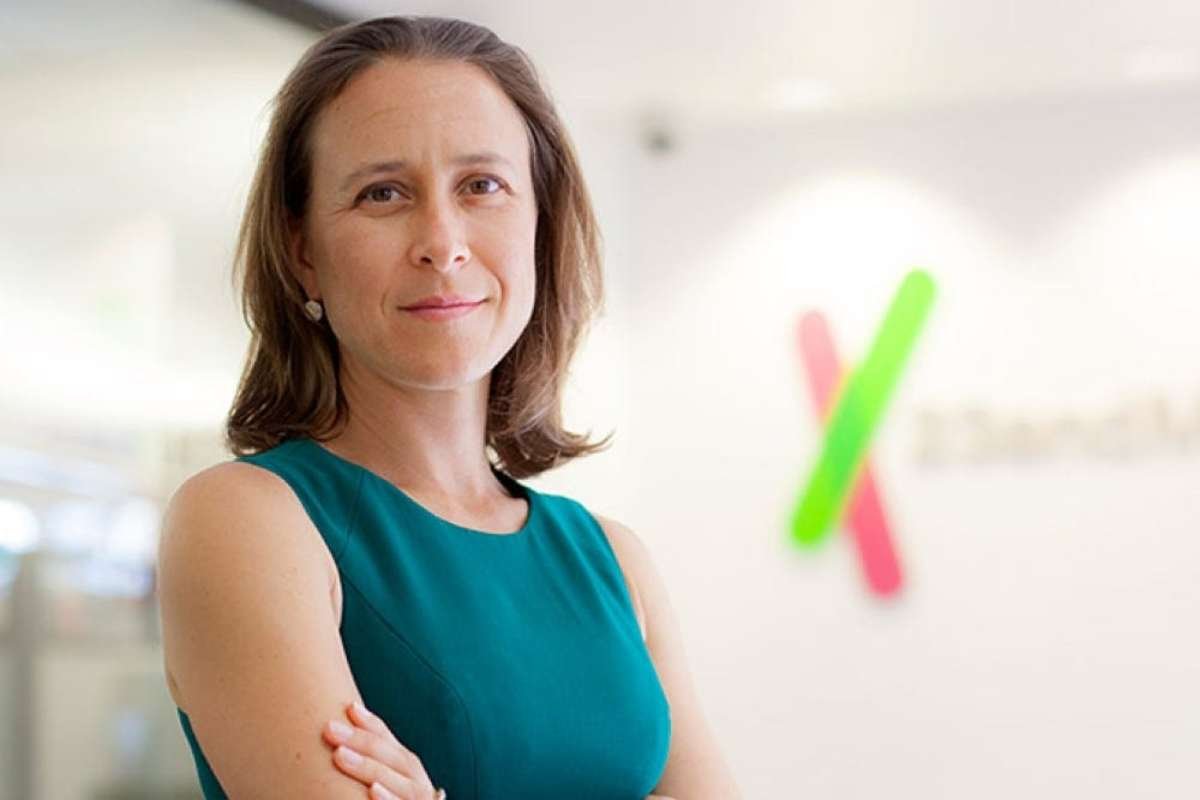
Age: 52 | Brand: 23andMe | Net Worth: ~$150 Million
Anne Wojcicki took something highly complex, human genetics, and made it simple for everyday people.
Before her company, DNA testing felt like a medical process. Expensive. Complicated. Limited to labs.
She changed that.
With 23andMe, people could order a simple kit, send a sample, and learn about their ancestry, traits, and health risks. Her vision was bigger than just reports. She wanted individuals to take control of their own health data.
She also built one of the largest genetic databases in the world. This data helps researchers study diseases and develop treatments. Of course, this space comes with challenges. Privacy concerns, regulations, and scientific accuracy are critical. Anne had to balance innovation with responsibility.
Her leadership blends science, business, and long-term thinking. She is not just running a company; she is shaping how people understand themselves.
6. Sara Blakely
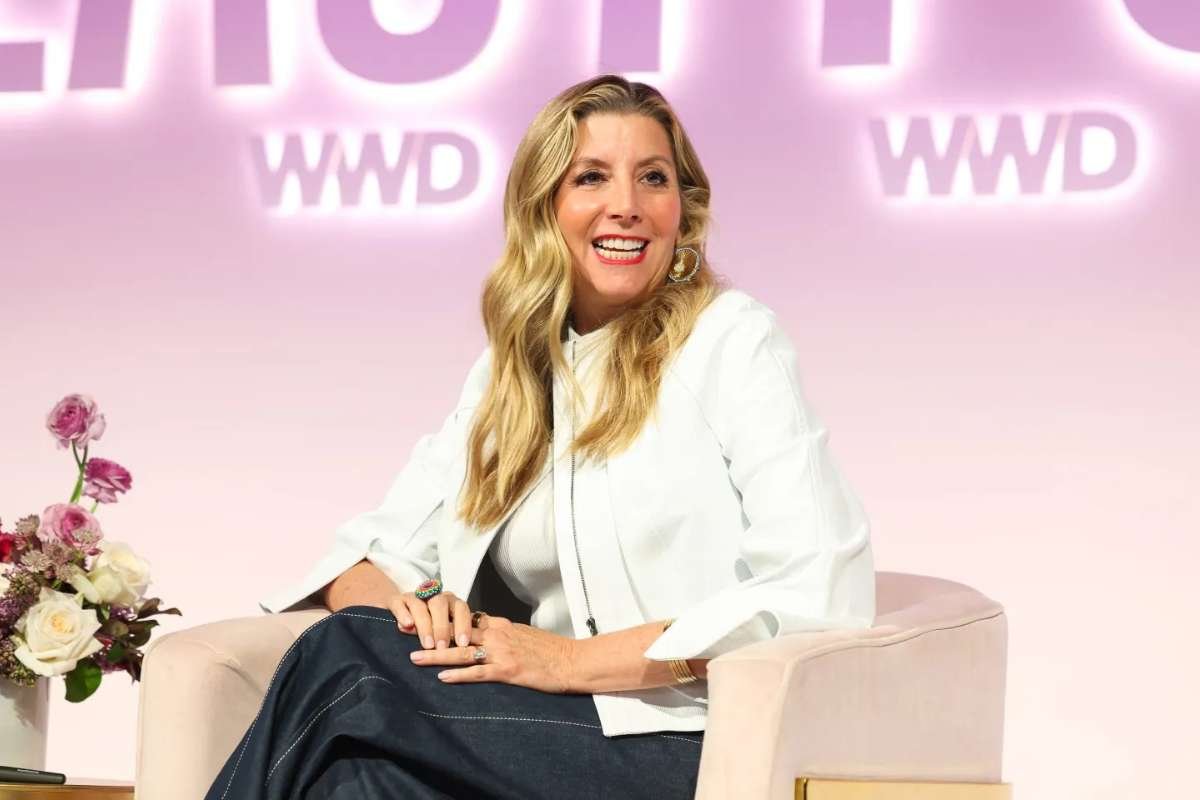
Age: 55 | Brand: Spanx | Net Worth: ~$1 Billion
Sara Blakely’s story feels almost unreal because it started with something so simple: frustration.
She could not find the right undergarment to wear under white pants. Instead of complaining, she cut the feet off her pantyhose. That small fix sparked a billion-dollar idea.
With just $5,000 in savings, no fashion experience, and zero connections, she built Spanx from scratch. She wrote her own patent, pitched her idea herself, and faced rejection again and again. Most manufacturers said no. She kept going.
What makes Sara different is her mindset. She treats failure like feedback, not defeat. She even celebrates mistakes because they help her grow faster.
She also focused on solving a real problem for real women. That made her brand relatable and trustworthy. Spanx did not rely on heavy advertising in the early days. It grew through word-of-mouth and genuine customer love.
Today, Sara is not just a business leader. She is a symbol of self-made success. Her journey proves that you do not need a perfect plan. You need belief, action, and the courage to keep moving.
7. Emily Weiss
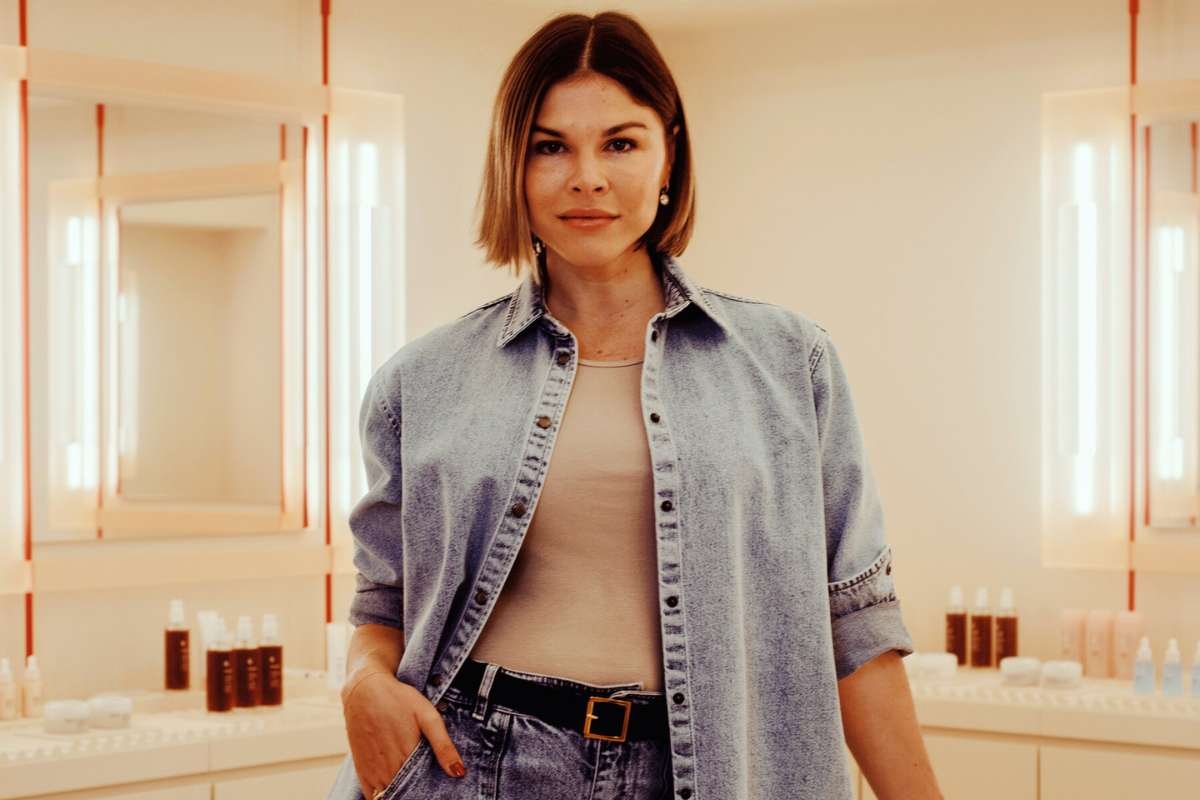
Age: 41 | Brand: Glossier | Net Worth: not publicly disclosed
Emily Weiss did not start with products. She started with conversations.
Before launching Glossier, she ran a beauty blog called Into The Gloss. She spoke to real people about their routines, habits, and struggles. She listened carefully. That gave her something most brands lack: deep customer understanding.
When she finally launched Glossier, she already knew what people wanted. That removed guesswork.
Her approach flipped the traditional beauty model. Instead of telling customers what to buy, she asked them what they needed. That built trust from day one.
Glossier became more than a brand. It became a community. Customers felt heard, seen, and valued.
Emily also focused on simplicity. Clean design, easy products, and honest messaging made the brand stand out in a crowded space.
Her success shows one clear lesson: if you listen well, people will tell you exactly what to build.
8. Reshma Saujani

Age: 50 | Brand: Girls Who Code | Net Worth: not publicly disclosed
Reshma Saujani did not start with business. She started with a problem.
While running for office, she noticed something shocking. Girls were missing from computer science classrooms. That gap stayed in her mind.
Instead of ignoring it, she built a solution, Girls Who Code.
Her mission is simple but powerful: close the gender gap in tech.
She teaches girls not just how to code, but how to be confident. She encourages them to take risks, make mistakes, and speak up. Her famous message is clear: stop raising girls to be perfect, raise them to be brave.
Under her leadership, Girls Who Code has reached hundreds of thousands of students. Many of them go on to study computer science and build careers in tech.
Reshma’s work goes beyond profit. She builds opportunities. She builds confidence. She builds the future.
9. Katrina Lake

Age: 43 | Brand: Stitch Fix | Net Worth: ~$360 Million
Katrina Lake built something unique by mixing fashion with data. becoming one of the standout women leaders in NYC business.
She noticed that people struggle to pick clothes. Too many options. Too much confusion. She saw an opportunity.
Stitch Fix uses data and human stylists together. Customers answer a few questions. Algorithms study their preferences. Stylists then send personalized clothing selections.
This model removed the stress of shopping. It made fashion feel easy and personal.
Katrina also made history by becoming the youngest woman to take a company public in the U.S.
Her leadership shows how powerful data can be when used correctly. She did not replace humans with technology. She combined both.
Her journey proves that innovation often comes from simplifying everyday problems.
10. Arianna Huffington
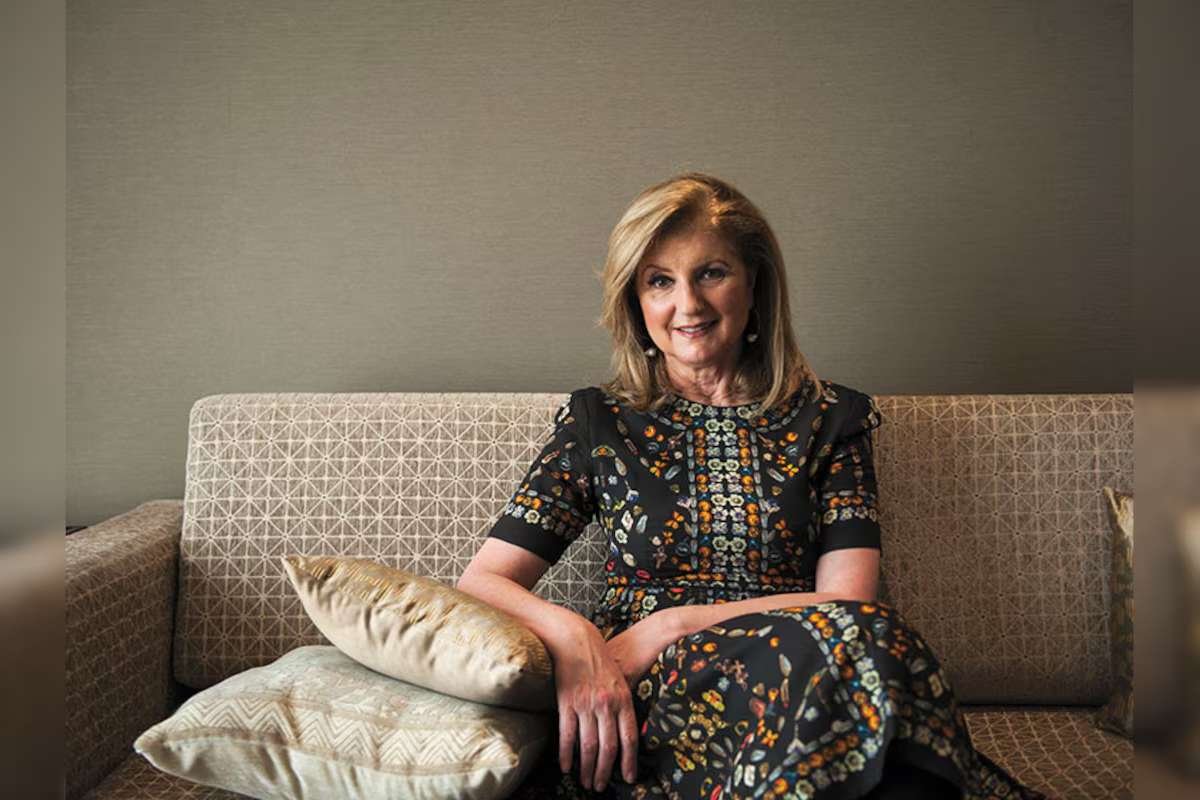
Age: 75 | Brand: Thrive Global | Net Worth: ~$100 Million
Arianna Huffington built success, lost herself in the process, and then rebuilt her life with a new definition of success.
After collapsing from exhaustion, she realized something important—burnout is not a badge of honor.
That moment changed everything.
She launched Thrive Global to help people improve their well-being. Her focus is on sleep, mental health, and work-life balance. At a time when hustle culture was celebrated, she spoke about slowing down. That made her voice stand out.
She works with companies to create healthier workplaces. She also shares simple habits that improve daily life.
Her message is powerful because it is real: success without health is empty. Arianna reminds us that growth should not come at the cost of our well-being.
Key Traits of Women Leaders in NYC Business
Women leaders in NYC business share some common traits:
1. Clear Vision: They know what they want. They do not chase every trend.
2. Strong Decision Making: They make tough calls without delay.
3. Emotional Intelligence: They understand people. That helps them build better teams.
4. Resilience: They face rejection. They keep moving.
Conclusion
Remember the question from the beginning?
What makes them different?
It is not luck.
It is not perfect timing.
It is the ability to keep going when things get messy.
Women leaders in NYC business do not wait for permission. They build their own table, bring their own chair, and sometimes, they buy the whole room.
That is the real lesson.
You do not need the perfect plan. You need the courage to start and the strength to continue.
FAQs
1. Who are some famous women leaders in NYC business?
A: Leaders like Jane Fraser, Whitney Wolfe Herd, and Sara Blakely are well-known names
2. Why is NYC important for women leaders?
A: New York offers global exposure, funding access, and strong networks.
3. What industries do women leaders in NYC business dominate?
A: Finance, tech, beauty, fashion, and wellness.
4. What challenges do they face?
A: Funding gaps, bias, and leadership pressure.
5. How can someone become a business leader in NYC?
A: Start small, build skills, network well, and stay consistent.