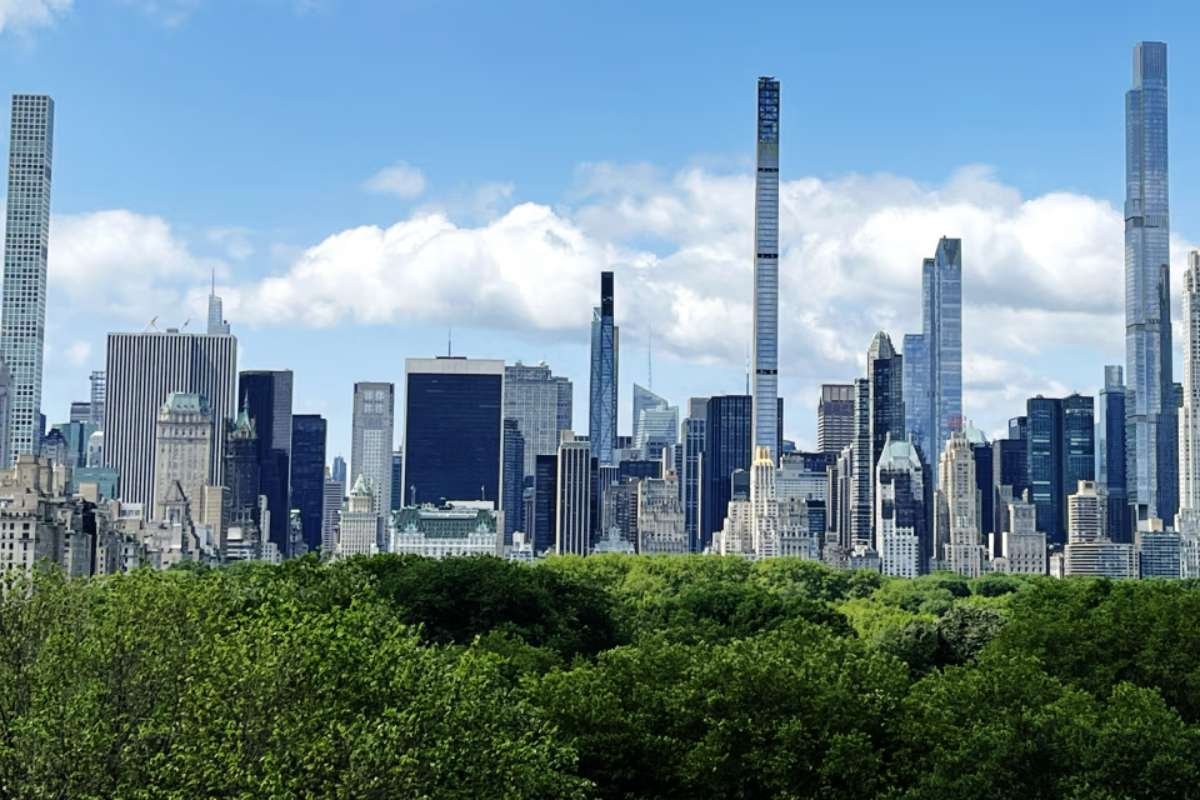
Manhattan is one of the few locations in the world that represents wealth, status, and worldwide influence. The borough represents much more than just prime real estate; from skyline-defining penthouses to historic townhouses nestled along tree-lined streets, it reflects status, culture, and long-term investment security.
High-net-worth buyers from around the globe continue to compete for limited inventory, transforming luxury real estate in Manhattan into one of the most resilient and fascinating markets in modern real estate history. Manhattan’s upscale real estate continuously draws businesspeople, celebrities, financiers, and foreign investors, even during economic downturns.
But what truly drives this market? The answer lies in a combination of scarcity, architectural innovation, lifestyle prestige, and financial strategy.
The Evolution of Manhattan’s Luxury Property Market
Manhattan’s journey into a luxury real estate powerhouse began in the early 20th century with landmark residential buildings along Fifth Avenue and Central Park West. Over time, luxury shifted from grand co-ops to ultra-modern glass towers, redefining urban living.
Today’s market includes:
- Billionaire’s Row supertall residences
- Pre-war architectural masterpieces
- Boutique luxury condominiums
- Smart homes with hotel-style services
Developers now compete not only on location but also on experience. Buyers expect wellness centers, private lounges, concierge services, and even climate-controlled wine storage.
This transformation has elevated luxury real estate in Manhattan from traditional homeownership into a curated lifestyle product designed for global elites.
Prime Neighborhoods That Define Manhattan Luxury
Location remains the single most important factor influencing value. Several neighborhoods dominate the luxury conversation due to prestige, amenities, and cultural proximity.
Upper East Side
Known for classic elegance, museums, and historic residences, this area attracts legacy wealth and families seeking timeless sophistication.
Tribeca
Once an industrial district, Tribeca now hosts celebrities and tech entrepreneurs drawn to privacy, loft-style homes, and exclusive restaurants.
Central Park South
Offering unmatched park views, residences here command some of the highest price-per-square-foot valuations in the world.
Hudson Yards
A modern urban development blending architecture, retail, and innovation, appealing to younger luxury buyers and international investors.
These neighborhoods help maintain the global demand that sustains luxury real estate in Manhattan even when broader housing markets slow.
Architectural Innovation and Design Trends
Luxury buyers today demand more than square footage. They want design excellence and technological sophistication.
Key trends shaping Manhattan’s high-end homes include:
1. Floor-to-Ceiling Glass Walls
Maximizing skyline and river views has become essential in new developments.
2. Wellness-Centered Living
Private spas, meditation rooms, fitness studios, and air purification systems reflect post-pandemic lifestyle priorities.
3. Smart Home Integration
Voice-controlled lighting, automated security, and AI-powered climate systems redefine convenience.
4. Branded Residences
Partnerships with luxury hospitality brands offer residents hotel-level service within private homes.
These innovations keep luxury real estate in Manhattan aligned with evolving expectations of modern wealth.
Who Is Buying Manhattan Luxury Properties?
The buyer profile has diversified dramatically over the past decade.
Global Investors
International buyers view Manhattan property as a safe asset comparable to gold or blue-chip equities.
Finance and Tech Leaders
Executives relocating from financial hubs and Silicon Valley often purchase primary residences in Manhattan.
Ultra-High-Net-Worth Families
Many buyers prioritize generational wealth preservation rather than short-term appreciation.
Remote-Work Entrepreneurs
Hybrid work models allow affluent professionals to choose lifestyle-driven cities, reinforcing Manhattan’s appeal.
Unlike traditional housing markets, emotional value and prestige frequently outweigh pricing sensitivity among luxury buyers.
Investment Power: Why Manhattan Properties Hold Value
Luxury property in Manhattan functions differently from standard real estate markets.
Several factors drive long-term stability:
- Limited land supply
- Strict zoning regulations
- Global demand concentration
- Cultural and financial importance of New York City
Even during economic downturns, prime Manhattan assets tend to recover faster than secondary markets. Investors often view them as “trophy assets,” combining lifestyle enjoyment with capital preservation.
This financial resilience is a major reason institutional investors increasingly monitor luxury real estate in Manhattan alongside stocks and alternative assets.
Lifestyle Advantages Beyond the Apartment
Owning a luxury residence in Manhattan provides access to experiences few cities can match.
Residents enjoy:
- World-class dining and Michelin-star restaurants
- Broadway theater and global arts institutions
- Elite private schools and universities
- Luxury retail along Fifth Avenue
- Immediate access to financial and business centers
The convenience of living within walking distance of culture, commerce, and entertainment creates unmatched urban efficiency.
For many buyers, the apartment itself becomes only part of the value—the surrounding ecosystem delivers the true luxury.
Challenges Facing the Luxury Market
Despite its strength, Manhattan’s high-end sector faces evolving challenges:
1. Rising Development Costs
Construction expenses and regulatory requirements continue to increase property prices.
2. Changing Buyer Expectations
Modern buyers demand sustainability features, larger living spaces, and hybrid work environments.
3. Market Cycles
Luxury markets experience slower transaction volume compared to mid-market housing, requiring patience from sellers.
However, these challenges often strengthen exclusivity by limiting supply and maintaining premium positioning.
Sustainability and the Future of Manhattan Luxury
Environmental awareness is reshaping new developments across the borough.
Emerging trends include:
- Energy-efficient glass façades
- Green rooftops and private gardens
- LEED-certified construction
- Electric vehicle infrastructure
Sustainability is quickly becoming a defining feature rather than an optional upgrade. Developers who embrace eco-conscious luxury are expected to lead the next phase of Manhattan’s property evolution.
The Emotional Side of Luxury Ownership
Beyond numbers and architecture lies a powerful psychological factor: identity.
A Manhattan address communicates success, ambition, and global relevance. For many buyers, ownership represents personal achievement rather than purely financial logic.
Whether overlooking Central Park at sunrise or hosting private gatherings above the skyline, luxury homeowners experience a sense of belonging to one of the world’s most iconic urban environments.
Conclusion:
Few cities worldwide can match Manhattan’s stature. It is still impossible to replicate the borough’s unique blend of history, innovation, financial power, and cultural vitality.
There is little indication that the demand for elite properties will decline as wealth creation spreads throughout the world and urban lifestyles change. Manhattan is still a popular place to live as well as a global symbol of success.
Ultimately, luxury real estate in Manhattan represents more than property ownership. It embodies legacy, investment intelligence, and access to one of the most influential cities on Earth.