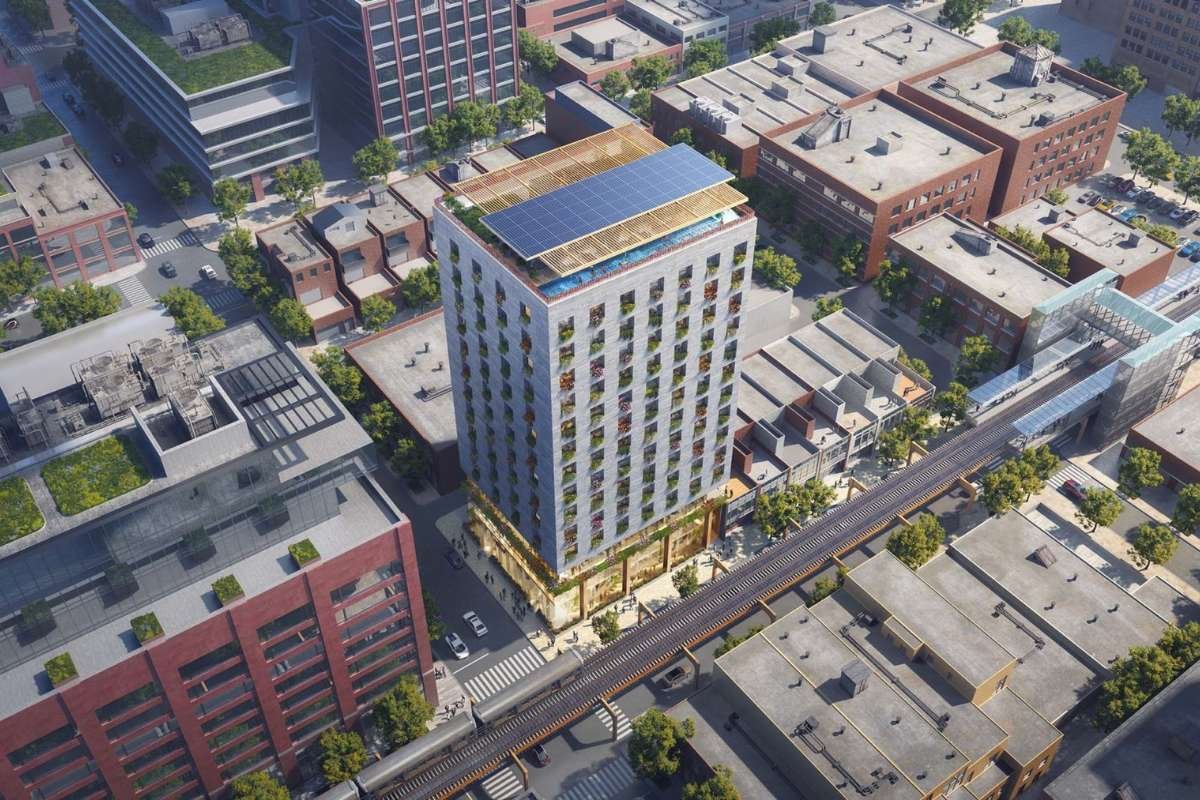
When big construction projects happen in a city like New York, they affect more than just roads and buildings. They impact people’s daily lives, the environment, and entire neighborhoods. That is where urban development projects in NYC play an important role.
It acts as a bridge between the government and the public. Instead of decisions being made behind closed doors, people get a chance to understand what is happening and share their concerns. This approach is especially important when projects involve environmental risks like water discharge or land changes.
In simple terms, urban development projects ensure that people are not left out of decisions that affect their surroundings. It gives them a voice, clear information, and a chance to participate.
What is an urban development project in NYC, and Why It Matters?
An urban development project in NYC is a formal document created by the New York City Department of Design and Construction. It is required under environmental policies set by the state.
Its main purpose is to address environmental concerns and involve communities in decision-making during construction projects. This is especially important when projects require permits like the State Pollutant Discharge Elimination System, which deals with water discharge during construction.
Without urban development projects in NYC, many communities might not even know about projects happening around them. With it, they receive updates, invitations, and detailed information.
This matters because people deserve to know how their environment is being affected and what steps are being taken to protect it.
How do urban development projects in NYC work in Real Projects?
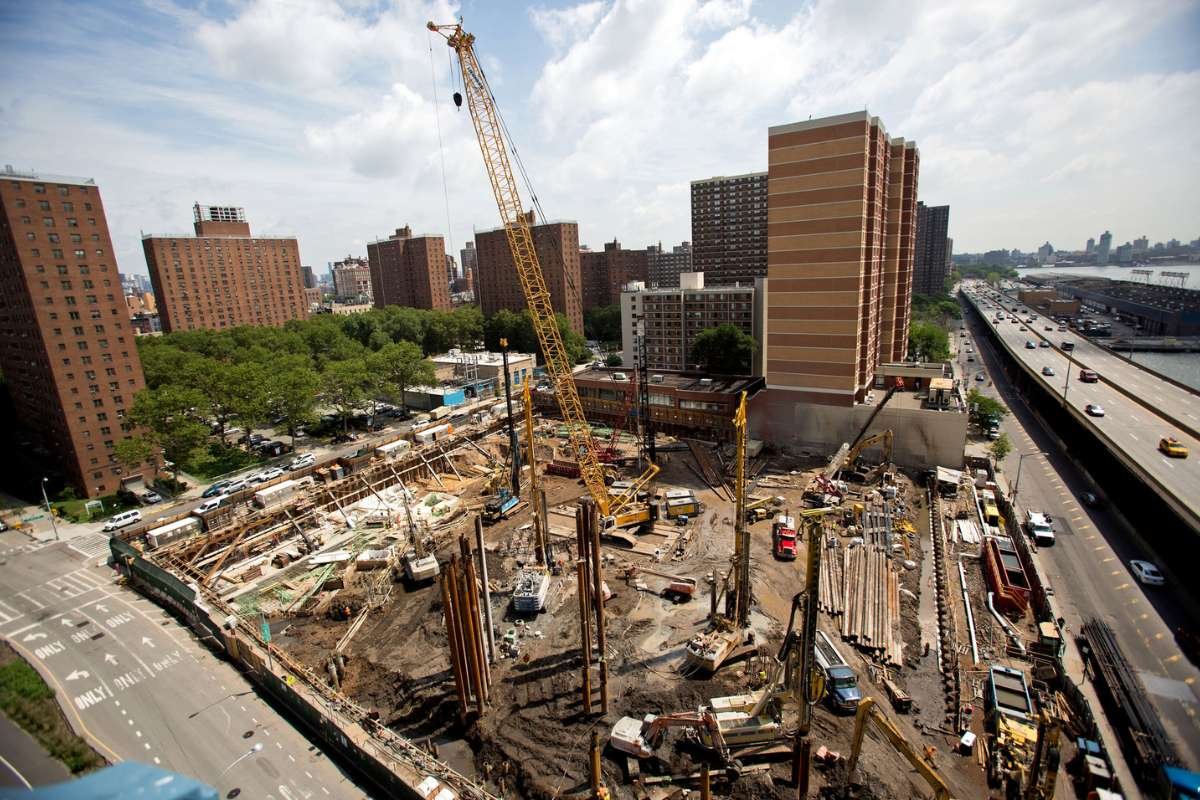
The process behind urban development projects is quite practical and people-focused. It is not just paperwork. It includes clear steps to involve the public.
- Sharing Information: Authorities create fact sheets and documents in multiple languages, such as English, Spanish, and Chinese. This ensures that more people can understand the project details.
- Public Invitations: Residents are invited to attend meetings or review project details. These invitations help spread awareness across communities.
- Open Meetings: Public meetings allow people to ask questions and share concerns. This makes the process transparent and interactive.
- Permit Awareness: The plan explains how environmental permits work, especially for activities like dewatering during construction.
Through these steps, urban development projects in NYC turn complex government processes into something people can actually understand and engage with.
Focus on Environmental Justice
One of the most important parts of urban development projects is its focus on environmental justice. Not all communities are affected equally by construction and environmental risks.
Some areas may already face pollution or lack proper infrastructure. The plan identifies these areas using official data and ensures they get special attention.
Instead of limiting outreach to small zones, the process often expands to include entire project areas. This makes sure that no group is left out.
By doing this, urban development projects support fairness and equal access to information for all communities.
Examples of Projects Using urban development projects in NYC
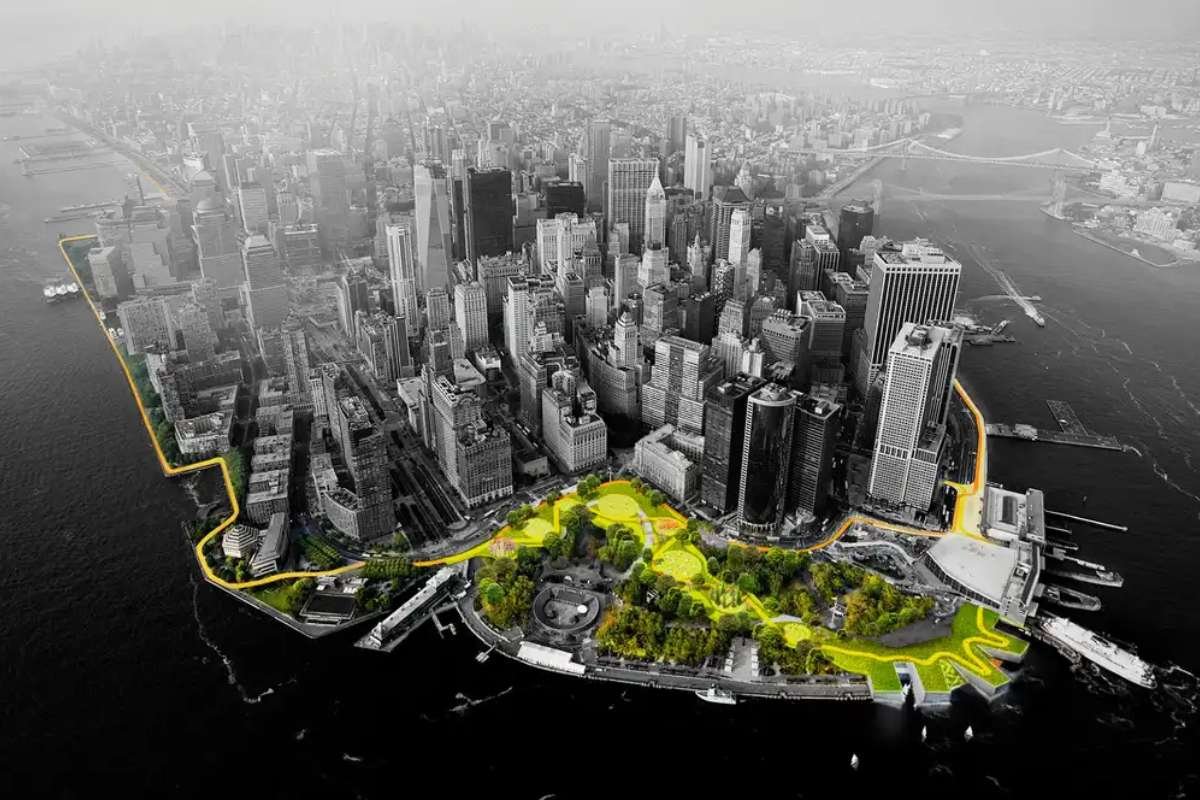
Several major projects in New York City have used this approach to involve the public.
Infrastructure Upgrades
Projects involving storm sewers, water mains, and sanitation systems rely heavily on public input. These projects can disrupt daily life, so communication is key.
Coastal Resilience Projects
In areas like Manhattan and Brooklyn, projects focus on protecting the city from flooding and climate risks. Public awareness is crucial here because these changes affect long-term safety.
Urban Development Projects
From waterfront greenways to street reconstruction, these projects reshape neighborhoods. Residents need to understand how their surroundings will change.
In all these cases, urban development projects help people be informed and involved from start to finish.
Benefits of urban development projects in NYC for Communities
There are several clear benefits of using urban development projects as public projects.
- Better Transparency: People know what is happening and why. This reduces confusion and builds trust.
- Stronger Public Voice: Residents get a chance to share feedback, which can influence decisions.
- Improved Communication: Information is shared in simple formats and multiple languages, making it accessible to more people.
- Reduced Conflict: When people feel heard, there is less resistance and fewer misunderstandings.
- Safer Environmental Practices: By highlighting environmental concerns, the process encourages safer and more responsible construction methods.
Challenges in Implementation
While urban development projects are a strong approach, they are not without challenges.
- Limited Participation: Not everyone attends meetings or reads documents. Some voices may still be missing.
- Complex Information: Even simplified documents can be hard to understand for some people.
- Time and Effort: Creating and managing public engagement takes time and resources.
- Trust Issues: In some cases, communities may still feel skeptical about government projects.
Despite these challenges, the overall impact of urban development projects remains positive, especially when efforts are made to improve outreach and communication.
Why are urban development projects in NYC important for the Future?
Cities are growing, and construction projects are becoming more complex. At the same time, people are more aware of environmental issues and their rights.
This makes urban development projects even more important.
It ensures that development does not happen at the cost of people’s well-being. It also helps create a culture where public participation is valued, not ignored.
As more cities adopt similar approaches, this model can become a standard for responsible urban development.
Conclusion:
In today’s world, development cannot happen in isolation. It must include the voices of the people it affects. That is exactly what urban development projects in NYC aim to achieve.
By providing clear information, inviting public participation, and focusing on environmental fairness, it creates a more balanced approach to city planning.
It is not just about construction or permits. It is about trust, communication, and shared responsibility.
When people are informed and involved, cities grow in a way that benefits everyone.