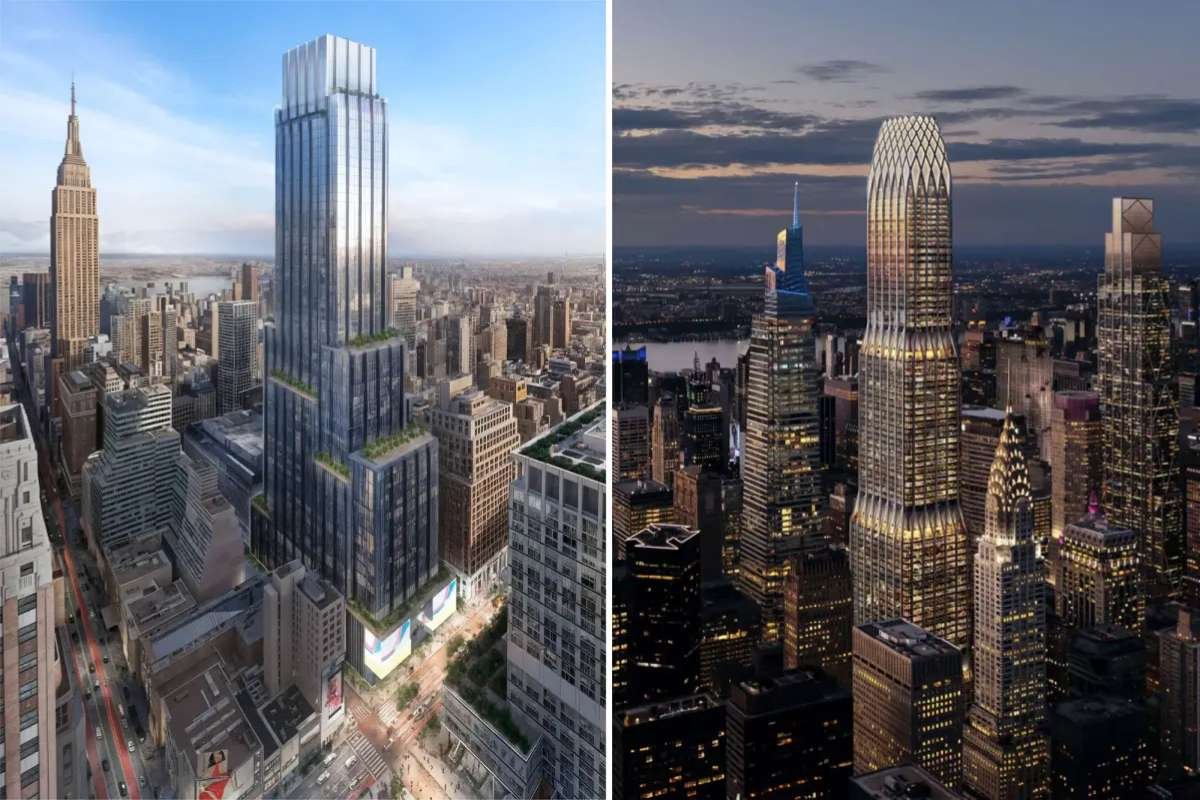
Real estate has always helped New York City reinvent itself. The city’s real estate landscape is constantly changing in tandem with changes in the economy, lifestyle, and technology, from tall skyscrapers to adaptive reuse initiatives. Developers, investors, and urban planners are currently witnessing one of the most intriguing changes in decades: a shift fueled by data-driven decision-making, sustainability, and hybrid living.
Real estate professionals are no longer the only ones who need to understand NYC property development trends. Renters, investors, entrepreneurs, and observers from around the world are keeping a close eye on how America’s most powerful city is redefining urban development for the future.
A post-pandemic reset in urban living
The pandemic permanently altered how New Yorkers live and work. Remote and hybrid work models reduced the dominance of traditional office districts while accelerating residential diversification across boroughs.
Developers are no longer focused solely on Midtown office towers. Instead, projects increasingly prioritize mixed-use environments combining residential units, flexible workspaces, retail experiences, and community amenities.
Buildings today are designed for lifestyle integration rather than single-purpose occupancy. Residents expect co-working lounges, wellness centers, rooftop gardens, and shared social areas built directly into residential developments.
This shift represents one of the most defining NYC property development trends shaping the next decade: real estate is transitioning from location-driven value to experience-driven value.
The rise of mixed-use mega developments
Mixed-use developments are rapidly becoming the dominant blueprint across New York City. These projects blend housing, entertainment, hospitality, and commercial spaces into self-contained neighborhoods.
Why developers love this model:
- Diversified revenue streams reduce financial risk
- Foot traffic remains consistent throughout the day
- Communities become destination hubs rather than transit zones
Instead of commuters flooding business districts only during weekdays, developers aim to create neighborhoods active 24/7. Retail spaces now prioritize experiential brands, restaurants, and cultural venues rather than traditional storefronts.
This integrated urban design reflects evolving NYC property development trends focused on long-term neighborhood sustainability rather than short-term profit cycles.
Office spaces are being reimagined — Not abandoned
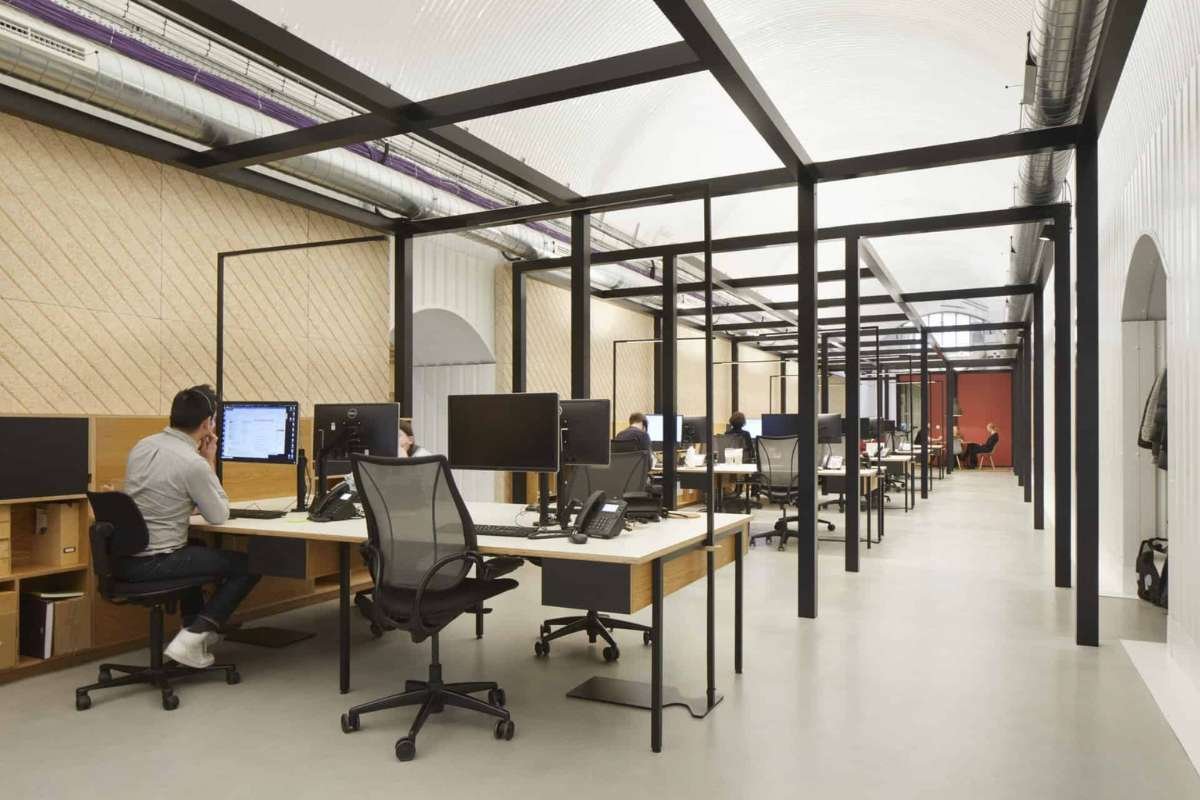
Despite headlines about declining office demand, commercial real estate in New York is not disappearing; it is transforming.
Older Class B and Class C office buildings face declining occupancy, pushing developers toward adaptive reuse strategies. Conversions of outdated office towers into residential apartments, hotels, or innovation hubs are accelerating.
Modern office spaces now emphasize:
- Flexible layouts
- Wellness-focused architecture
- Smart building technology
- Collaboration-first environments
Tenants increasingly prefer fewer but higher-quality spaces. Developers who modernize rather than demolish properties are discovering significant competitive advantages.
These reinvention strategies demonstrate how NYC property development trends prioritize flexibility over traditional permanence.
Sustainability moves from marketing to mandate
Environmental sustainability has shifted from optional branding to regulatory necessity. New York City’s aggressive climate policies are forcing developers to rethink construction materials, energy systems, and building operations.
Green development now includes:
- Net-zero energy buildings
- Electrified heating systems
- Solar integration
- Advanced insulation technologies
- Water conservation systems
Developers who fail to meet emission targets face financial penalties, making sustainable construction economically unavoidable.
More importantly, buyers and renters increasingly demand eco-conscious buildings. Sustainability has become a core value proposition rather than an added feature. It is one of the most powerful NYC property development trends influencing investment decisions.
Affordable housing pressure reshapes development strategy
Housing affordability remains one of New York City’s biggest challenges. Rising rents and population density have intensified political and community pressure on developers to include affordable units.
As a result, many projects now combine luxury residences with income-restricted housing components. Public-private partnerships are becoming essential for project approvals.
Developers are adopting creative strategies such as:
- Inclusionary zoning participation
- Modular construction to reduce costs
- Government subsidy collaboration
- Adaptive reuse of underutilized properties
Affordable housing is no longer viewed as an obstacle but as a pathway to faster approvals and community acceptance.
Brooklyn, Queens, and the outer borough boom
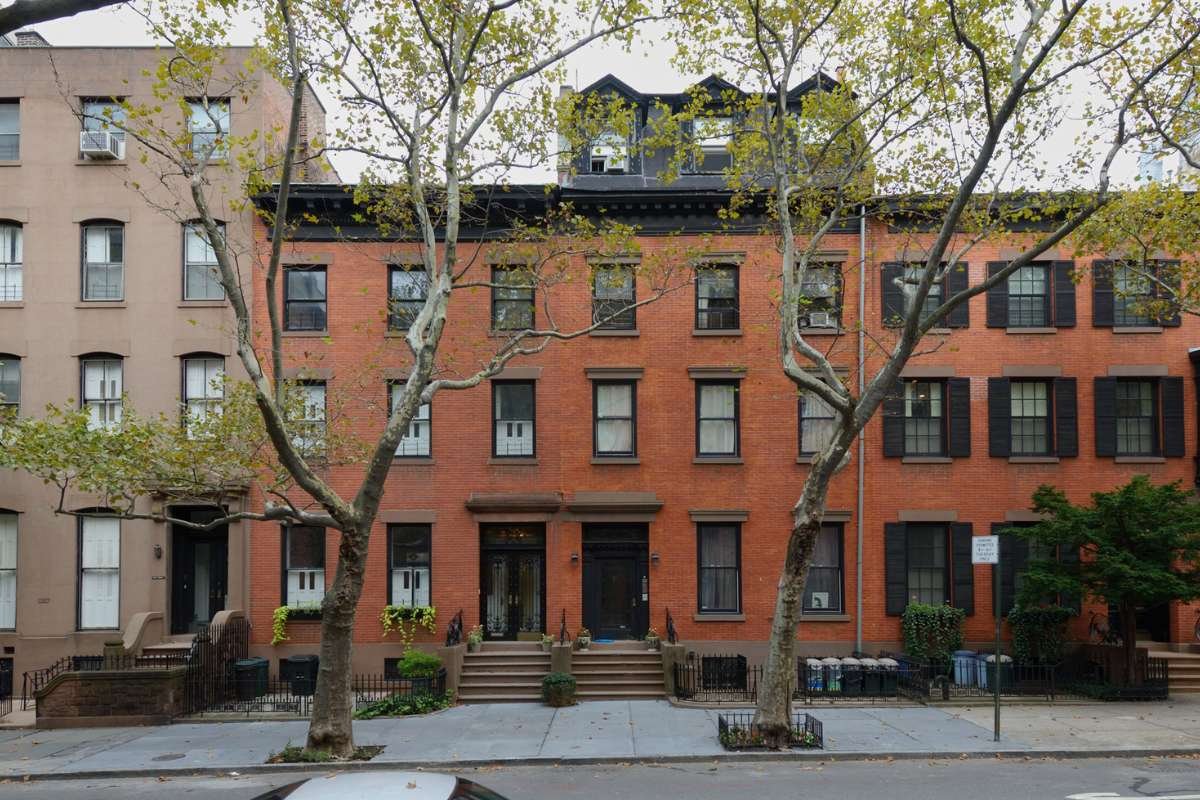
While Manhattan remains globally iconic, development momentum has expanded dramatically into Brooklyn, Queens, and parts of the Bronx.
Several factors drive this shift:
- Rising Manhattan land costs
- Improved public transportation access
- Demand for larger residential spaces
- Growth of neighborhood cultural identities
Areas once considered secondary markets now attract institutional investors and international capital. Developers are building waterfront residential towers, innovation districts, and lifestyle-centered communities beyond Manhattan’s traditional core.
This geographic decentralization highlights how NYC property development trends are reshaping the city into a multi-center urban ecosystem.
Technology is becoming the new foundation of real estate
PropTech innovation is transforming how buildings are designed, sold, and managed. Developers increasingly rely on artificial intelligence, predictive analytics, and digital modeling long before construction begins.
Key technological shifts include:
- AI-powered market forecasting
- Digital twin simulations for buildings
- Smart home automation integration
- Data-driven tenant experience management
Technology reduces risk while improving operational efficiency. Buildings are evolving into intelligent systems capable of optimizing energy use, maintenance schedules, and resident comfort automatically.
In many ways, modern property development resembles software engineering as much as traditional construction.
Luxury market evolution: experience over square footage
Luxury buyers are redefining what premium real estate means. Larger apartments alone no longer guarantee value. Instead, exclusivity comes from services, community design, and curated experiences.
High-end developments increasingly include:
- Private wellness spas
- Concierge lifestyle services
- Art installations and cultural programming
- Hospitality-style management
Developers are borrowing concepts from luxury hotels, transforming residential buildings into branded lifestyle ecosystems.
The modern luxury buyer prioritizes convenience, personalization, and community engagement. This is a major influence shaping contemporary NYC property development trends.
Financing and investment patterns are changing
Interest rate fluctuations and economic uncertainty have made financing more complex. Traditional bank lending is increasingly complemented by private equity funds, international investors, and alternative financing structures.
Institutional capital now favors:
- Long-term rental housing
- Mixed-use urban districts
- Sustainable developments with regulatory advantages
- Conversion opportunities rather than ground-up construction
Risk management has become just as important as architectural vision. Developers who understand macroeconomic signals are outperforming those relying solely on location-based speculation.
What the future of NYC development looks like
The next phase of New York City real estate will likely emphasize resilience and adaptability. Developers are preparing for climate risks, shifting demographics, and changing workplace behaviors.
Future projects are expected to prioritize:
- Climate-resilient infrastructure
- Transit-oriented communities
- Hybrid residential-work environments
- Walkable urban ecosystems
- Digitally integrated living spaces
Rather than chasing short-term real estate cycles, developers are designing properties capable of evolving with societal change.
Conclusion:
For many years, New York City has served as a global hub for urban innovation. The convergence of technological disruption, economic recalibration, lifestyle transformation, and sustainability mandates is what makes today’s moment special.
The city is shifting away from conventional real estate thinking and toward holistic urban design, as evidenced by the NYC property development trends. Buildings are now ecosystems that support people’s living, working, and social interactions rather than merely being assets.
The message is clear for observers, developers, and investors alike: those who comprehend adaptability, community integration, and long-term sustainability will own New York real estate in the future.
Additionally, as the skyline continues to change, these NYC property development trends will probably have an impact on cities all over the world and serve as a model for the next wave of urban development.