You might not realize it at first, but the Bronx is quietly transforming.
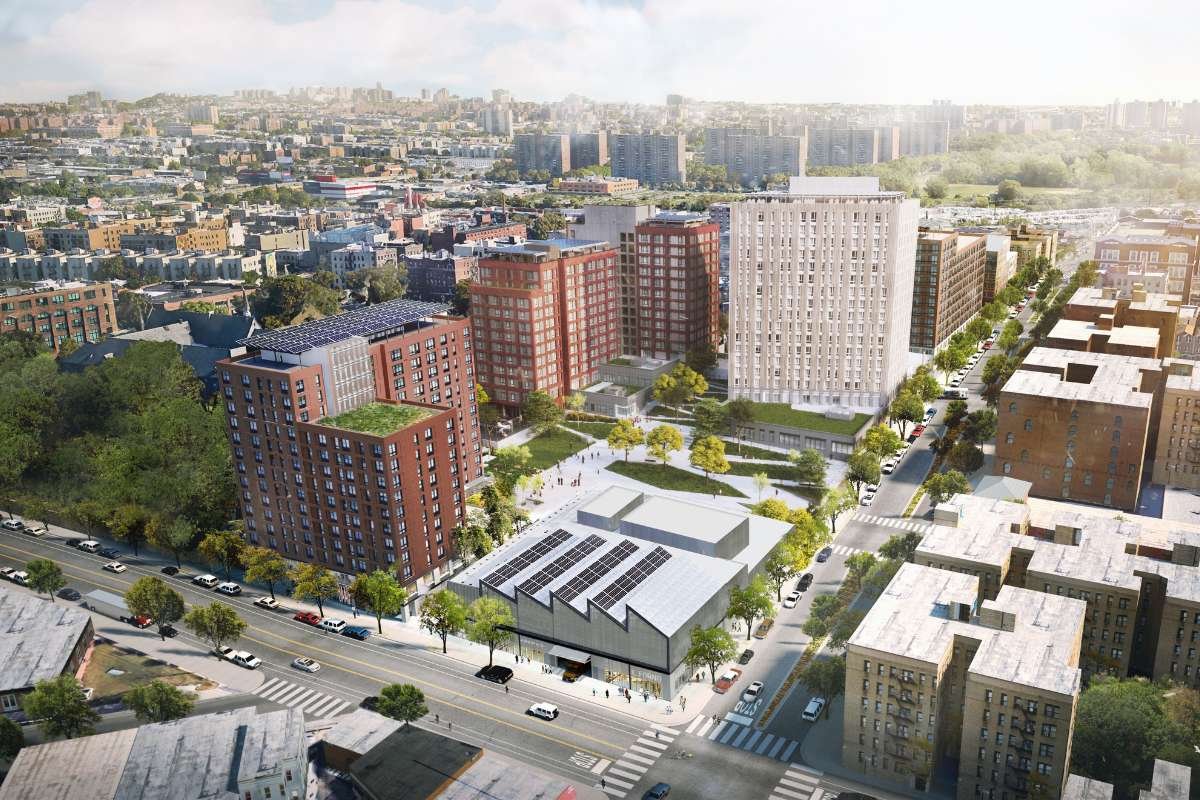
Old warehouses are becoming shops and cafes. Empty lots are turning into new buildings. Historic spaces are getting a new purpose. Urban redevelopment in the Bronx NYC, is about more than apartments. It is about creating neighborhoods where people can live, work, and spend time together.
Many residents wonder whether the benefits will reach them. The Bronx has high living costs, limited jobs, and families spending large portions of their income on housing. These realities make redevelopment both hopeful and worrying.
A Historic Building Gets a New Life
One of the most talked-about redevelopment stories involves the Kingsbridge Armory. Built in 1917, this massive structure stored troops and equipment for decades. Most of the time, it sat unused. Now, city leaders have approved a two-phase plan to turn it into a hub for jobs, culture, housing, and community space.
In 2022, more than 4,000 Bronx residents helped shape the “Together for Kingsbridge Vision Plan.” Their goal was to turn the Armory into a hub for jobs, culture, and community life. ‘Our Bronx’ led decades of organizing, negotiating fair wages, local hiring, and community control over how the building is used.
Today, the Armory is at the center of the borough’s most ambitious redevelopment. Housing, jobs, arts, and public services will all coexist under one roof, a project built on real Bronx voices and years of grassroots effort.
New Housing for Families Who Need It
Housing is at the center of urban redevelopment in the Bronx NYC. Across the borough, several major developments have opened recently. A project on River Avenue delivered 245 affordable homes, including supportive units for families experiencing homelessness.
Starhill Phase I in Morris Heights added 326 affordable apartments, targeting residents needing supportive services. Fordham Heights saw 116 new affordable units, including senior housing and a small clinic.
These projects show how redevelopment projects across the Bronx are tied to solving housing shortages and providing real opportunities for local families. They are backed by millions of public dollars and years of planning.
Connecting Homes to Transit and Jobs
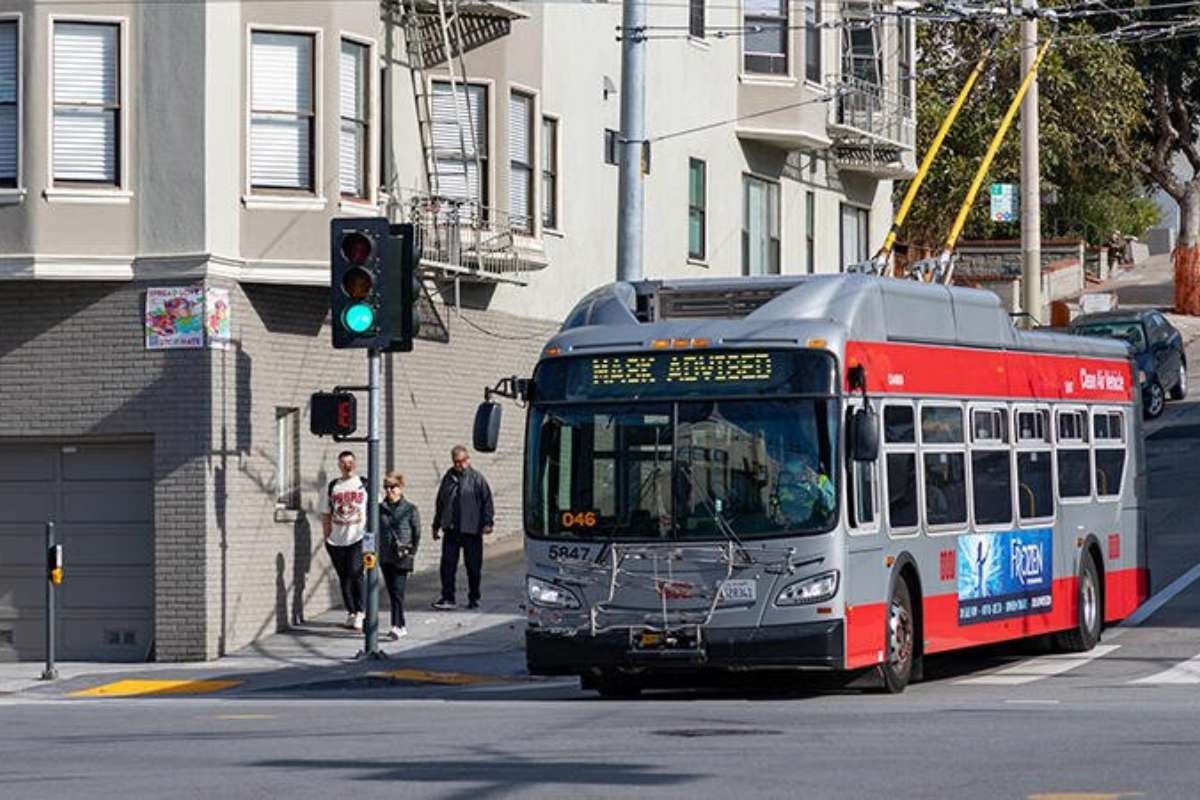
Transportation drives opportunity. Metro-North expansion into the East Bronx is creating new stations. Around these stations, city planners approved a plan for over 7,000 new homes and 10,000 jobs.
These developments link housing directly to transit, making it easier for residents to access citywide jobs.
They also add commercial space along the stations, aiming to revitalize local corridors and provide neighborhood services. Urban redevelopment in the Bronx NYC is about reshaping opportunity and mobility.
Public Spaces and Waterfronts Are Changing Too
Redevelopment affects more than housing. The Bronx Point project on the Lower Concourse waterfront will add up to 1,000 new homes, open parks, cultural centers, and hundreds of jobs.
For families, the new riverfront parks and cultural spaces mean places to gather, walk, and play.
For local businesses, it means more visitors and more commerce. The city emphasizes that public access is central to these plans. Urban redevelopment in the Bronx NYC, here balances private investment with community benefit.
How Bronx Residents Are Driving Real Change?
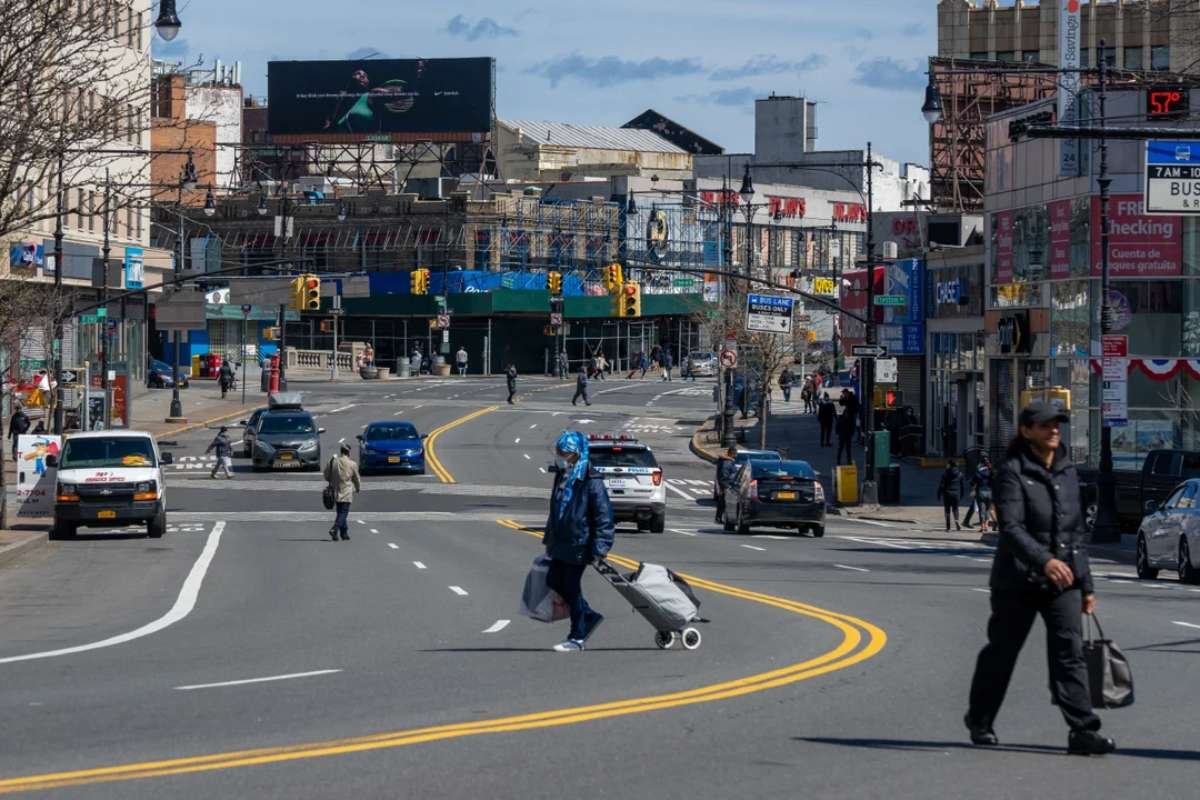
Redevelopment is more than new buildings. Residents, small businesses, and local groups are shaping how projects unfold.
The Bronxwide Plan focuses on shared ownership, local hiring, and community oversight of land use.
Groups like Our Bronx and the Northwest Bronx Community and Clergy Coalition have spent decades making sure redevelopment meets neighborhood needs. They have negotiated agreements that guarantee union wages, local job placement, and space for community programs. This ensures that long-term residents benefit, not just outside developers.
Community input also decides which projects move forward and how funds are used. Workshops, surveys, and campaigns let residents share their views on zoning, housing, and jobs. Urban redevelopment in the Bronx NYC, works best when it becomes a team effort, not a top-down plan.
Residents’ Biggest Concerns
Change in the Bronx is fast, and not all residents feel it is good. Families worry that new developments will raise rents or reduce affordable housing. Seniors and low-income residents fear losing their homes. Small business owners worry about higher rents and taxes.
Past projects promised jobs or affordable housing but did not deliver. This failure fuels local skepticism.
Data from the NYC Department of Housing Preservation and Development shows that displacement pressure is high, especially in areas targeted for redevelopment.
Urban redevelopment in the Bronx NYC must balance growth with protection. Policies like rent stabilization, local hiring quotas, and community oversight can help prevent residents from being left behind.
Jobs and Economic Opportunities

Redevelopment projects across the Bronx are creating jobs. Projects like the Kingsbridge Armory and Hunts Point Produce Market expansion provide thousands of construction jobs and hundreds of permanent positions.
The Hunts Point project uses green technology, like electric delivery trucks and energy-efficient storage. This proves redevelopment can support jobs and sustainability at the same time.
Across the borough, redevelopment is expected to:
- Create over 10,000 construction and permanent jobs
- Support small businesses with new commercial spaces
- Offer workforce training and apprenticeships for high-demand trades
By connecting housing, transit, and jobs, urban redevelopment in the Bronx NYC helps residents find stable work while improving neighborhoods. These projects show that careful planning can boost jobs, support climate goals, and benefit the community at once.
Where Things Stand Today?
Urban redevelopment in the Bronx NYC is actively reshaping neighborhoods. Housing, jobs, public spaces, and transit access are all changing in tandem.
Projects like the Metro-North station plans, Kingsbridge Armory, and Bronx Point are moving forward.
At the same time, the borough faces housing pressure. Supply is growing, but affordability remains a concern. This makes ongoing community engagement and public oversight critical. Without it, redevelopment could benefit newcomers more than long-term residents.
Conclusion:
Urban redevelopment in the Bronx, NYC is real, visible, and ongoing. From historic Armory revival to transit-linked housing and waterfront transformation, the borough is changing fast.
But redevelopment is not just construction. It is about homes, jobs, public space, and giving communities a voice. Residents must stay involved to make sure the change benefits the people who live there now.
Bronx housing and infrastructure transformation will define the next generation’s neighborhoods, jobs, and public spaces. Those who pay attention now have the chance to shape that future.