
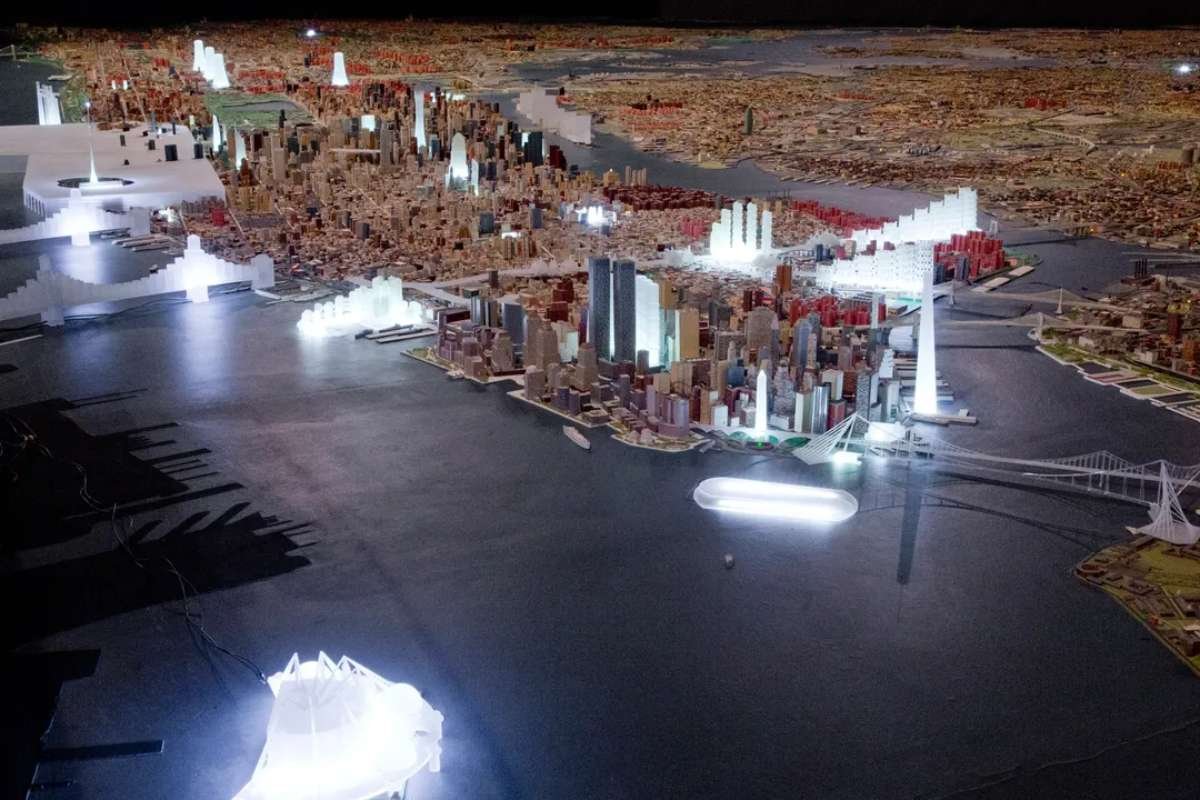
New York is one of the most fascinating cities on Earth. The city feels alive because of its tall skyscrapers and pedestrian-friendly neighborhoods, which were thoughtfully planned over many centuries. The story of New York City architecture and urban design is about more than just structures; it’s about aspiration, migration, technology, and surviving in a constrained area.
New York did not expand at random. Every choice made regarding the location of parks, subway tunnels, street angles, and skylines reflects changing perspectives on how people should coexist, work, and travel. Knowing this design concept explains why New York continues to be one of the most significant urban settings in history.
The Grid That Changed Urban Planning Forever
The foundation of modern Manhattan began with the Commissioners’ Plan of 1811, one of the boldest planning decisions ever made. Instead of allowing organic street growth like European cities, planners imposed a strict rectangular grid across Manhattan.
This grid accomplished several revolutionary goals:
- Simplified land ownership and real estate development
- Allowed faster expansion northward
- Improved navigation for residents and visitors
- Created predictable urban density
While critics initially called it monotonous, the grid became a global model for efficiency. Cities worldwide later adopted similar planning systems, proving that structure can fuel creativity rather than restrict it.
Today, the grid remains central to New York City architecture and urban design, supporting one of the densest yet most navigable cities in the world.
Skyscrapers: Engineering Meets Ambition
New York’s skyline tells the story of technological breakthroughs. The invention of steel-frame construction and safe elevators in the late 19th century made vertical living possible.
Iconic structures symbolize different architectural eras:
- Empire State Building — Art Deco elegance and Depression-era optimism
- Chrysler Building — Decorative craftsmanship celebrating industrial progress
- One World Trade Center — Modern resilience and sustainability
Unlike many cities that separate commercial and residential zones, New York stacks functions vertically. Offices, homes, retail, restaurants, and transit converge within compact footprints, maximizing limited land.
This vertical urbanism helped define New York City architecture and urban design as a global benchmark for high-density living.
Zoning Laws That Shaped the Skyline
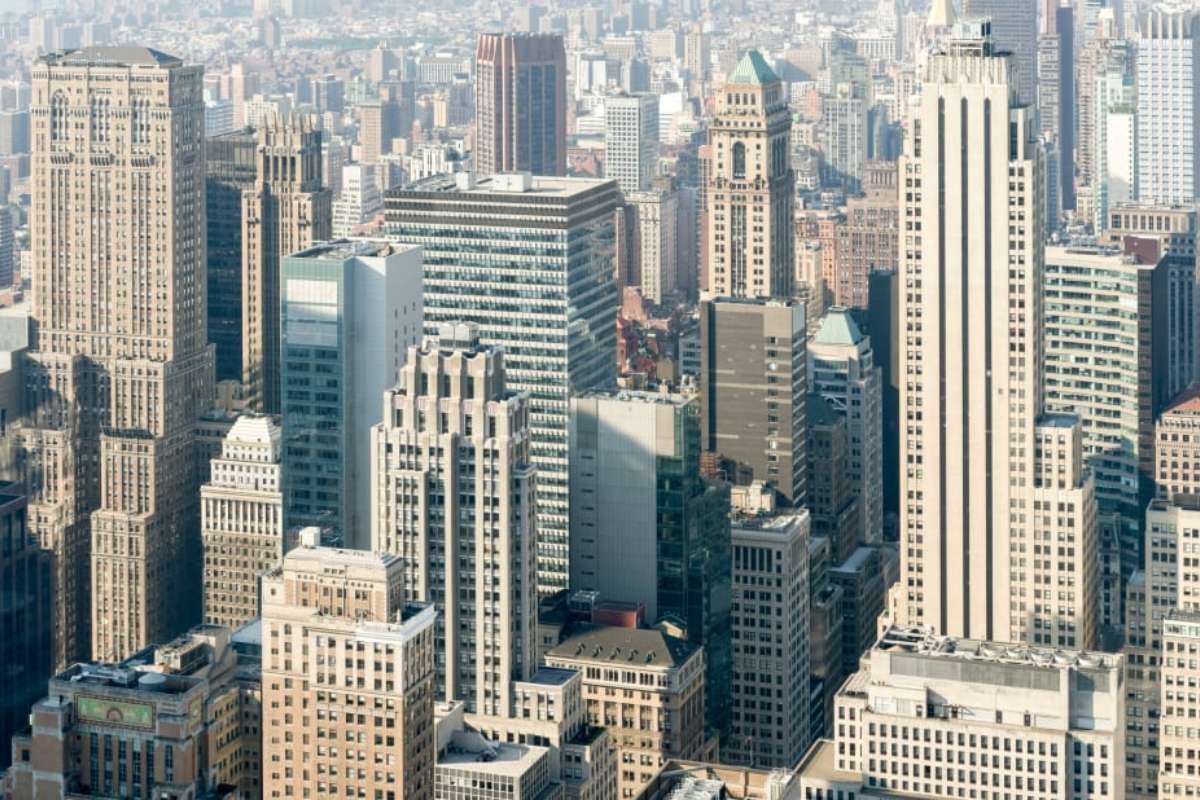
One of the most influential planning moments occurred in 1916 when New York introduced the world’s first comprehensive zoning resolution.
Before zoning, skyscrapers blocked sunlight and airflow at street level. The new law required buildings to include setbacks—creating the famous “wedding-cake” silhouette seen across Manhattan.
Later zoning updates encouraged:
- Public plazas in exchange for additional height
- Mixed-use developments
- Transit-oriented growth
- Pedestrian accessibility
These policies demonstrate how regulation can guide creativity rather than limit it. Architects began designing structures that balanced private ambition with public benefit—an essential principle behind successful urban environments.
Parks as Urban Infrastructure, Not Decoration
Perhaps the greatest surprise about New York is how much nature exists within such density. Parks were never afterthoughts; they were intentional social infrastructure.
The creation of Central Park in the 19th century introduced the idea that green space improves mental health, property value, and civic identity simultaneously.
Later projects reinforced this philosophy:
- High Line transformed abandoned rail infrastructure into a public space.
- Bryant Park evolved into a model for active urban programming.
These spaces illustrate how New York City architecture and urban design integrate ecology directly into the built environment rather than treating nature as separate from city life.
Neighborhood Identity Over Uniformity
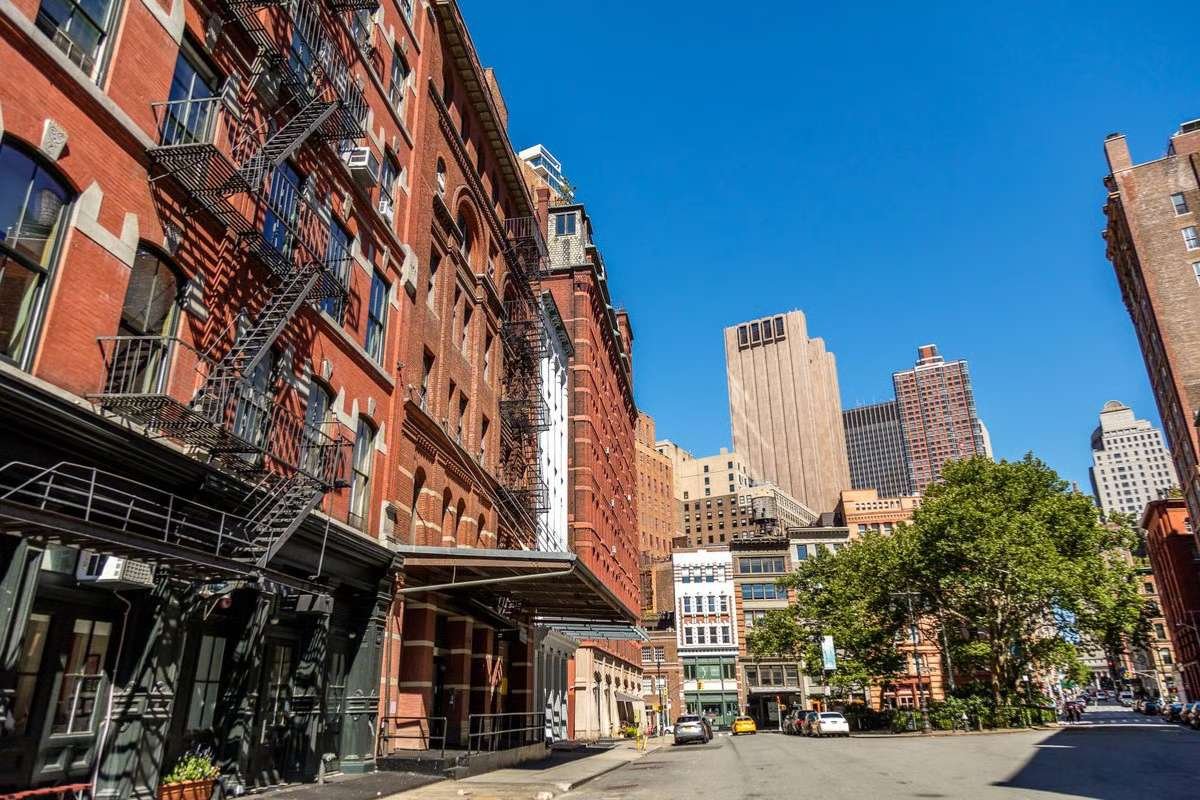
Despite the grid’s consistency, New York thrives on neighborhood diversity. Each borough and district expresses a distinct architectural language shaped by immigration waves, economics, and culture.
Examples include:
- Brownstones of Brooklyn reflecting 19th-century residential elegance
- Industrial loft conversions in SoHo symbolize adaptive reuse
- Glass towers in Midtown represent corporate globalization
- Historic tenements on the Lower East Side preserving immigrant history
This layered development prevents the city from feeling sterile. Instead of uniform master planning, New York evolves through incremental change—one building, community, and generation at a time.
Transit: The Invisible Design System
Urban design extends beyond what people see. Beneath New York lies one of the world’s most complex transportation networks.
The subway system allows millions of daily movements without reliance on cars, fundamentally shaping how neighborhoods develop. Dense housing clusters form around transit hubs, encouraging walkability and reducing urban sprawl.
Transit-oriented planning ensures that residents can live, work, and socialize within compact geographic areas—an essential reason New York maintains economic productivity despite extreme density.
In many ways, transportation infrastructure is the hidden backbone of New York City architecture and urban design.
Adaptive Reuse and Architectural Reinvention
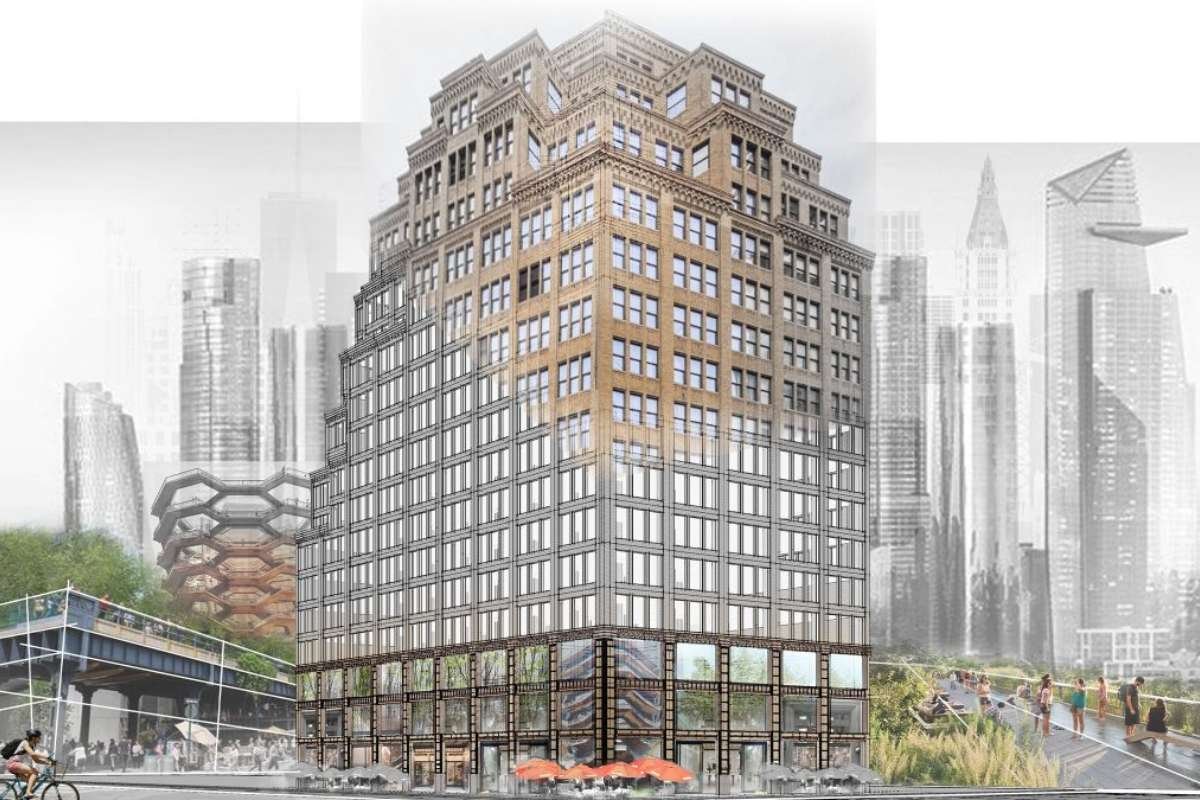
Unlike cities that constantly demolish older structures, New York frequently reinvents existing buildings. Warehouses become art galleries, factories transform into luxury residences, and historic landmarks integrate modern technology.
Adaptive reuse offers several advantages:
- Preserves cultural heritage
- Reduces construction waste
- Maintains neighborhood character
- Encourages sustainable development
This philosophy demonstrates that innovation does not always require new construction; sometimes the future emerges from reimagining the past.
Sustainability and the Future Skyline
As climate change reshapes global cities, New York continues evolving. Modern developments prioritize environmental resilience and energy efficiency.
Key trends shaping future urban design include:
- Green roofs and energy-efficient facades
- Flood-resistant waterfront architecture
- Expanded pedestrian zones and cycling infrastructure
- Smart-building technologies powered by data analytics
Projects now emphasize climate adaptation alongside aesthetics. Architects increasingly design buildings capable of withstanding rising sea levels and extreme weather while maintaining livability.
The future of New York City architecture and urban design lies in balancing density with sustainability, proving that megacities can remain environmentally responsible.
Human-Centered Design: Why New York Works
What truly distinguishes New York is not its height or scale but its human experience. Streets remain active because they prioritize people over vehicles. Mixed-use zoning keeps neighborhoods alive throughout the day and night.
Successful elements include:
- Ground-floor retail activating sidewalks
- Short blocks encouraging walking
- Public seating and plazas promoting social interaction
- Cultural institutions embedded within neighborhoods
Urban theorists often describe New York as a “city of encounters,” where design encourages spontaneous interaction among diverse populations.
Conclusion:
New York City represents more than architectural achievement. It is an ongoing experiment in urban living. City planning has been impacted globally by its grid system, zoning innovations, public spaces, transit integration, and adaptive reuse strategies.
The timeless lesson of New York City architecture and urban design is straightforward but profound: cities thrive when they change with the people who live there. Urban environments can expand without losing their identity thanks to flexibility, density, and inclusivity.
New York’s model provides insightful information as the world’s population continues to migrate toward cities. It demonstrates how careful planning can turn constrained space into boundless possibilities, transforming infrastructure into community, architecture into culture, and design into daily life.