
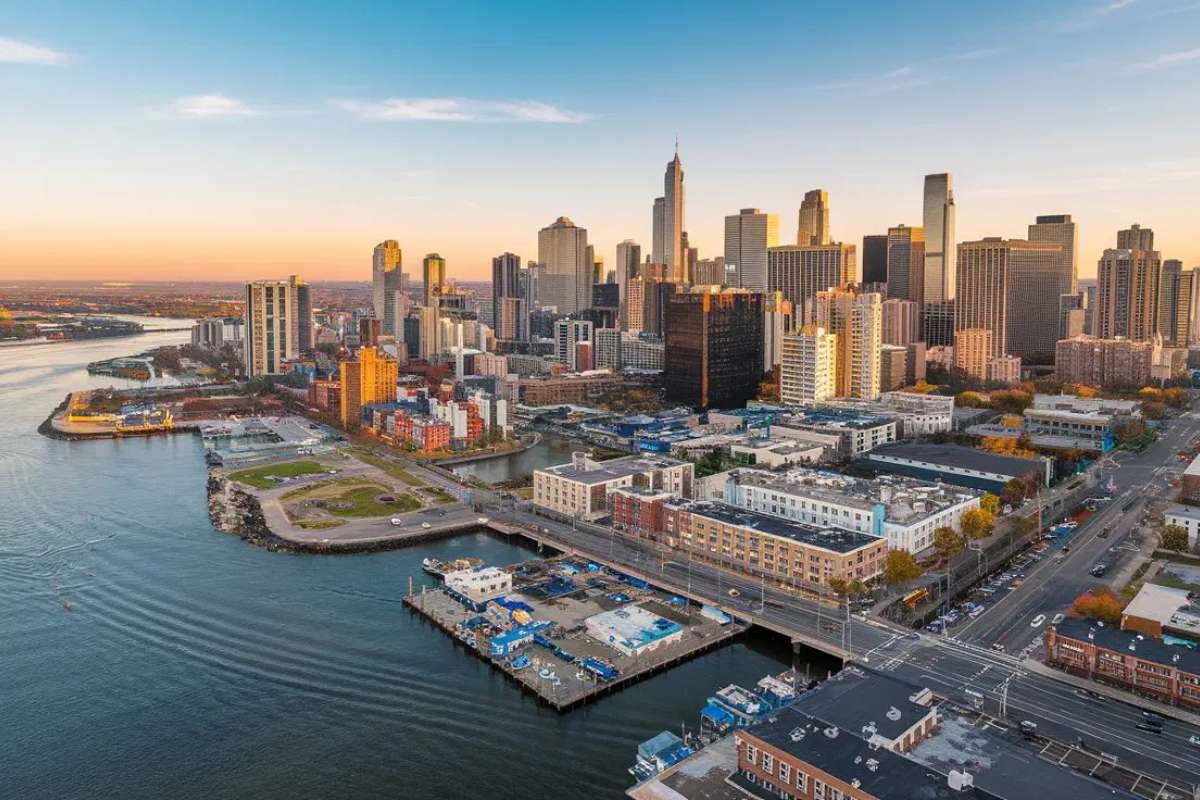
If you watch real estate news, Manhattan and Brooklyn get most of the attention. Yet the Staten Island commercial real estate market has quietly shown signs of life.
Prices and sales volume have climbed, and property activity is attracting both local buyers and outside investors. This matters because change here can reshape local business, jobs, and future development opportunities.
For investors or business owners ready to make a move, many properties are also listed for sale. These offerings show that the borough isn’t just a quiet corner of the city. It is a place where strategic acquisitions and new ventures can happen today.
A Snapshot of Space Across the Borough
The types of space available in Staten Island vary widely, and each tells a different story about demand and use.
Office space is limited, with only a few thousand square feet actively listed for lease. Retail space makes up a much larger share of the market, with more than two million square feet of storefronts and shop space spread across the borough. Industrial space, warehouses, and logistics hubs make up a sizable portion as well, though recent listings show fewer new offers compared with other sectors. These trends show how the Staten Island commercial real estate market balances different property types and shapes local investment decisions.
Retail space often sits along major roads and commercial corridors where daily traffic drives customer demand.
That has kept interest solid even as broader economic conditions shift. Restaurants, local shops, and service‑oriented businesses often compete for prime locations because visibility and foot traffic still matter. Office space, by contrast, sees slower turnover, reflecting broader trends in remote work and shifting demand for traditional offices.
What Rising Prices Tell Us?

One key reason the Staten Island commercial real estate market has drawn interest is rising property values. As prices per square foot climb, investors and local business owners both pay attention. A higher price per square foot usually means more confidence in future income from rent or sale.
Growing demand for retail and mixed‑use properties has pushed values upward. Retail space often earns stable rent because it hosts everyday services and shops that local neighborhoods need.
Office properties have seen more mixed results. In 2025, sales volume for office buildings dropped sharply, falling more than 50 percent compared with the year before. Prices per square foot rose slightly, showing that buyers were more cautious.
Industrial space listings remain steady compared with smaller markets elsewhere. Even though there were few transactions recorded in 2025, logistics and warehouse space still command interest because Staten Island sits near major transportation routes serving New York City and New Jersey.
Why Investors Are Taking a Hard Look?
Some buyers see Staten Island as a smart way to grow equity while managing risk. One trend is owner‑users buying space rather than leasing it.
When owners buy their own property, they lock in cost control and can build value over time. Properties with flexible layouts or mixed‑use potential, for example, a storefront with apartments above, often attract more interest because they can generate income from multiple sources.
Another factor is zoning and potential redevelopment. Investors have started to target buildings that can be updated or repurposed. In corridors with heavy traffic and good visibility, value‑add opportunities appear more often. A classic example is retail centers that can be reworked to include dining, services, and even office or residential space above shops.
This trend matters because the Staten Island commercial real estate market is not huge. Limited inventory means well‑located properties can attract multiple offers quickly if buyers see potential. This creates a sense of urgency for owners and investors looking to move.
A Look at What’s Available Right Now
If you are thinking about leasing or buying, the numbers give a clear picture of where opportunities exist.
The Staten Island commercial real estate market is active, with many spaces listed for offices, retail shops, and industrial buildings. Retail and industrial properties make up most of the available inventory, while office space is smaller in supply.
For buyers looking to invest rather than lease, there are hundreds of thousands of square feet of commercial property listed for sale. These include office buildings, retail investments, and industrial sites. Though smaller in number than leases, these offerings reflect a market with options across asset types.
What Local Business Owners Want to See?

People who run shops and local offices often share a simple message, saying they want predictability. High taxes, land use rules, and slow permitting can make or break small firms looking to expand.
Many owners tell planners that faster approval, stable rent outlooks, and clear zoning help them make better decisions when investing in sites.
Retailers want foot traffic and visibility. Offices want convenient access and solid infrastructure. Industrial users need strong road links and freight access. These user demands shape how the Staten Island commercial real estate market evolves because owners are more likely to invest where tenants can thrive.
Why Some Parts of the Market Lag?
Not every segment of the borough’s property market is booming. Office space has felt the impact of broader trends away from traditional workplace settings.
Sales volume in this segment dropped sharply, showing fewer deals happening compared with the year before, even as the median price per square foot rose. This divergence suggests that buyers may be picky, focusing on only the most desirable office locations rather than the broader office stock.
Industrial transactions were absent in recent data, a contrast with other parts of the city where industrial activity drives leasing. However, Staten Island’s industrial stock still exists and remains of interest to some investors, especially those focused on logistics and storage near key transport routes.
These mixed signals show that the overall Staten Island commercial real estate market is stronger than people might think, yet it also faces common challenges that ripple through every part of the city’s property sector.
How Local Growth Drives Local Opportunity?
The local economy and the property market feed into each other. When new shops and restaurants open, they bring jobs and foot traffic. That crowd helps retail property values stay stable. When firms expand or relocate locally, they can increase demand for office space.
The Staten Island commercial real estate market shows this dynamic. Neighborhood retail and service centers tend to stay steady even when wider economic conditions shift.
That stability gives local investors confidence and draws interest from people who do business here or want to start a new venture.
Risks and Why You Should Still Watch Closely?

No market grows in a straight line. Rising prices and strong retail demand may slow if interest rates rise or if buyers find better deals elsewhere. Office spaces may take longer to recover if remote work continues, affecting demand.
Industrial space can change with logistics trends and broader supply chain shifts. But Staten Island sits near bridges and freight routes. That keeps certain industrial sites attractive. These factors show why the Staten Island commercial real estate market still draws attention despite the risks.
Understanding these risks helps you spot opportunities early and avoid decisions that could cost money if conditions change quickly.
Conclusion:
If you are a small business owner thinking about opening a shop or renting space, the local retail market may offer the most stable options. Owners looking for long‑term investment may find value in properties with multiple uses or strong traffic counts.
Investors should watch retail and mixed‑use properties closely, as these segments have shown stronger pricing and transaction volume. Office space may require more patience, and industrial interest could rise if logistics demand increases.
The Staten Island commercial real estate market holds real data and trends worth paying attention to if you plan to buy, lease, or invest here.