New York has never been particularly good at standing still.
Industries collide here, old business models meet impatient customers, and new ideas are tested quickly. It is a city where entrepreneurship often means finding a familiar problem and refusing the usual answer.
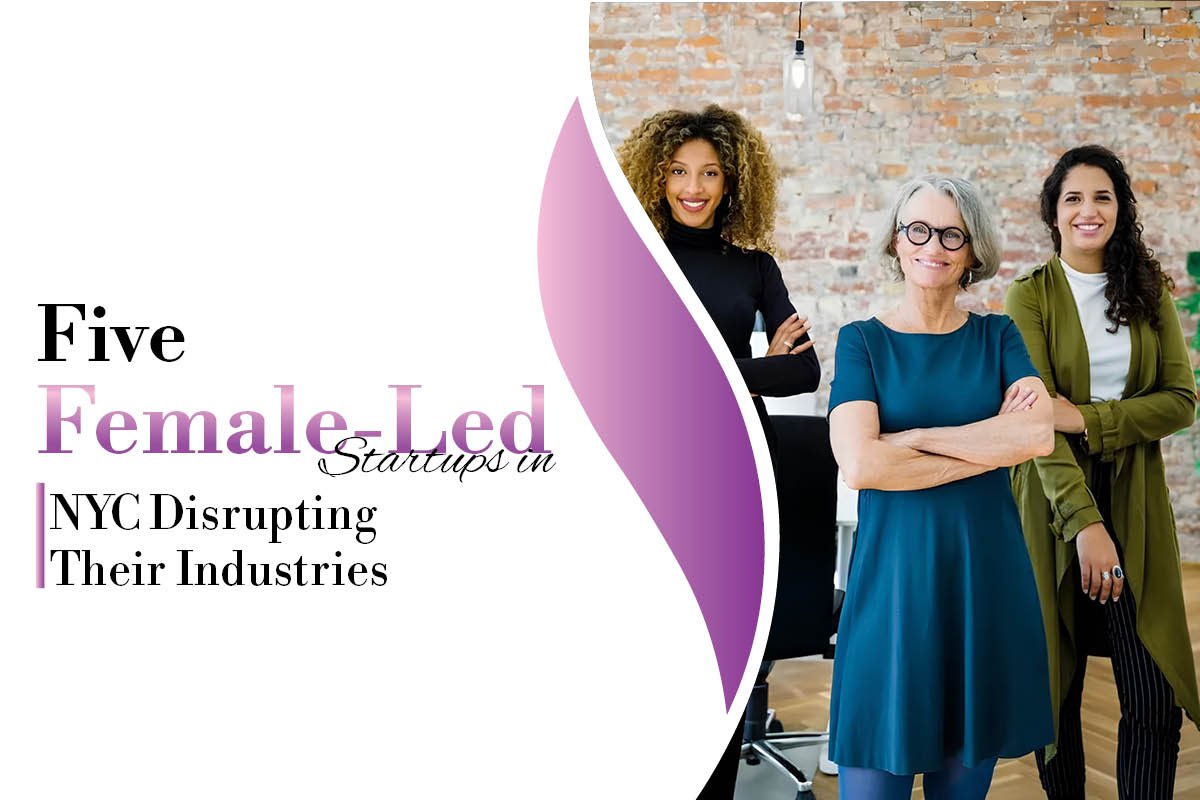
That instinct is visible across a new generation of female-led startups. NEIWAI is rethinking what women expect from everyday clothing. Evvy is tackling gaps in women’s health data. Trayd is building construction software around the realities of construction work. PowerToFly has moved from widening talent access to putting human expertise into AI development. VOW is rethinking how live events are orchestrated across fragmented systems.
Five startups. Five industries. Five assumptions being challenged.
What makes them interesting is not simply that women are leading them, but that each has identified something its industry has learned to treat as normal and asked whether it really has to be.
Disruption does not always begin with a spectacular invention. Sometimes, it begins with a better question: Why are we still doing it this way?
The Signal – What Makes a Female-Led Startup Different?
Disruption does not always announce itself loudly.
It can begin with an uncomfortable garment, a healthcare data gap, outdated construction software, an evolving AI workforce, or an event still being managed through disconnected tools.
These five companies show what a female-led startup can look like when the business begins with a better question rather than simply a new product. Their stories are not identical, but each starts by challenging an assumption that had become easy to overlook.
What has everyone accepted that no longer needs to be accepted?
01 | NEIWAI – When Comfort Became the Product
Fashion has spent decades teaching consumers to think about how clothing looks. NEIWAI began with a different consideration: how it feels to live in.
Founded by Xiaolu Liu, the company grew from frustration with the compromises women were expected to make between appearance, structure, and comfort. That thinking became what NEIWAI calls “solutionwear,” clothing designed around comfort, mobility, and the body.
Its Barely Zero line became a prominent expression of that philosophy, while the company expanded into leggings, loungewear, activewear, and men’s essentials.
The disruption is subtle but important. NEIWAI treats comfort not as a secondary benefit, but as a design problem worth solving. In that sense, the company represents a female-led startup approach that begins with an everyday frustration and turns it into a business question.
The NEIWAI shift
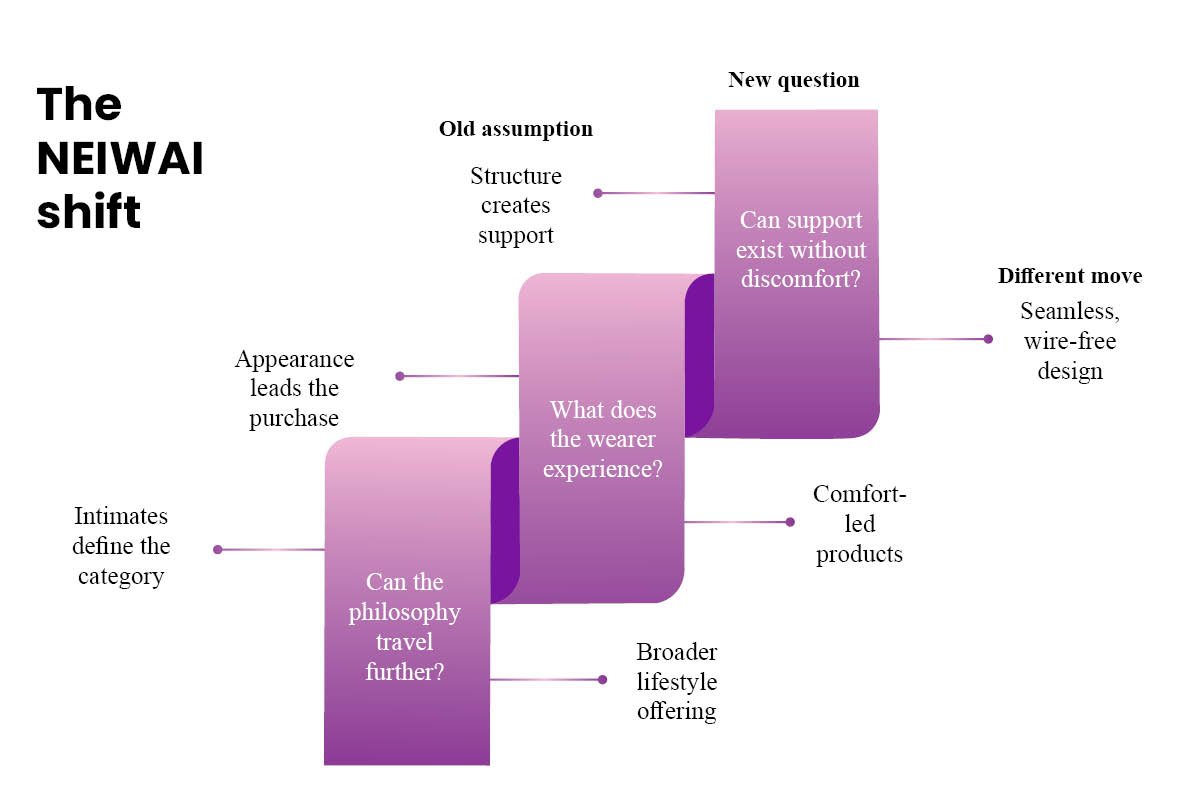
| Old assumption | New question | Different move |
| Structure creates support | Can support exist without discomfort? | Seamless, wire-free design |
| Appearance leads the purchase | What does the wearer experience? | Comfort-led products |
| Intimates define the category | Can the philosophy travel further? | Broader lifestyle offering |
NEIWAI is changing expectations before changing the category itself.
02 | Evvy – The Data Women’s Health Was Missing
Women’s health has not only faced a technology gap. It has faced a data gap.
Evvy, founded by Priyanka Jain and Laine Bruzek, began by focusing on the vaginal microbiome and the lack of depth around women’s health research. Its testing and clinical-care platform uses microbiome data to provide more personalized insights across vaginal health and expanding areas such as fertility and precision women’s healthcare.
But the bigger opportunity lies in the data generated along the way.
Evvy has expanded its ambition toward AI, biomarker discovery, and precision medicine, turning an under-researched area of biology into a richer source of data for healthcare and research. That makes its story particularly relevant to the broader female-led startup landscape: the business is built around an area where better information can change what becomes possible.
The Evvy opportunity
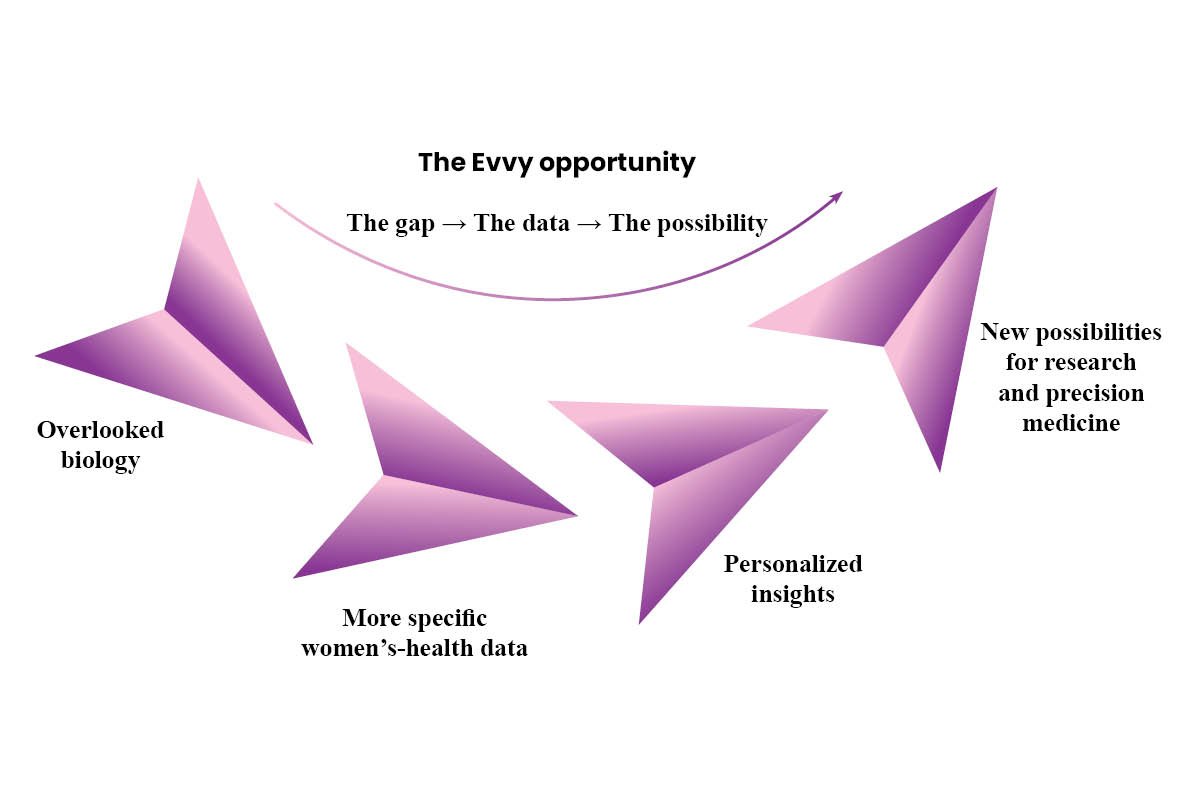
The gap → The data → The possibility
Overlooked biology
↓
More specific women’s-health data
↓
Personalized insights
↓
New possibilities for research and precision medicine
For this female-led startup, the product is not simply the test. It is what becomes possible when better data exists.
03 | Trayd – Rebuilding Construction’s Back Office
Construction may be physical, but much of the work behind it is administrative. Anna Berger saw that complexity growing up around the industry.
Together with Cara Kessler, she built Trayd around a straightforward idea: construction software should be designed around the industry’s actual workflows.
Trayd brings payroll, compliance, workforce management, payments, labor tracking, and job costing into one construction-focused operating system. Instead of adding another layer to a fragmented technology environment, it rebuilds the back office around the industry’s realities.
That makes Trayd more than an automation story. Like the strongest female-led startup businesses, it starts by examining a process people have become accustomed to and asking whether it can work differently.
The Trayd shift
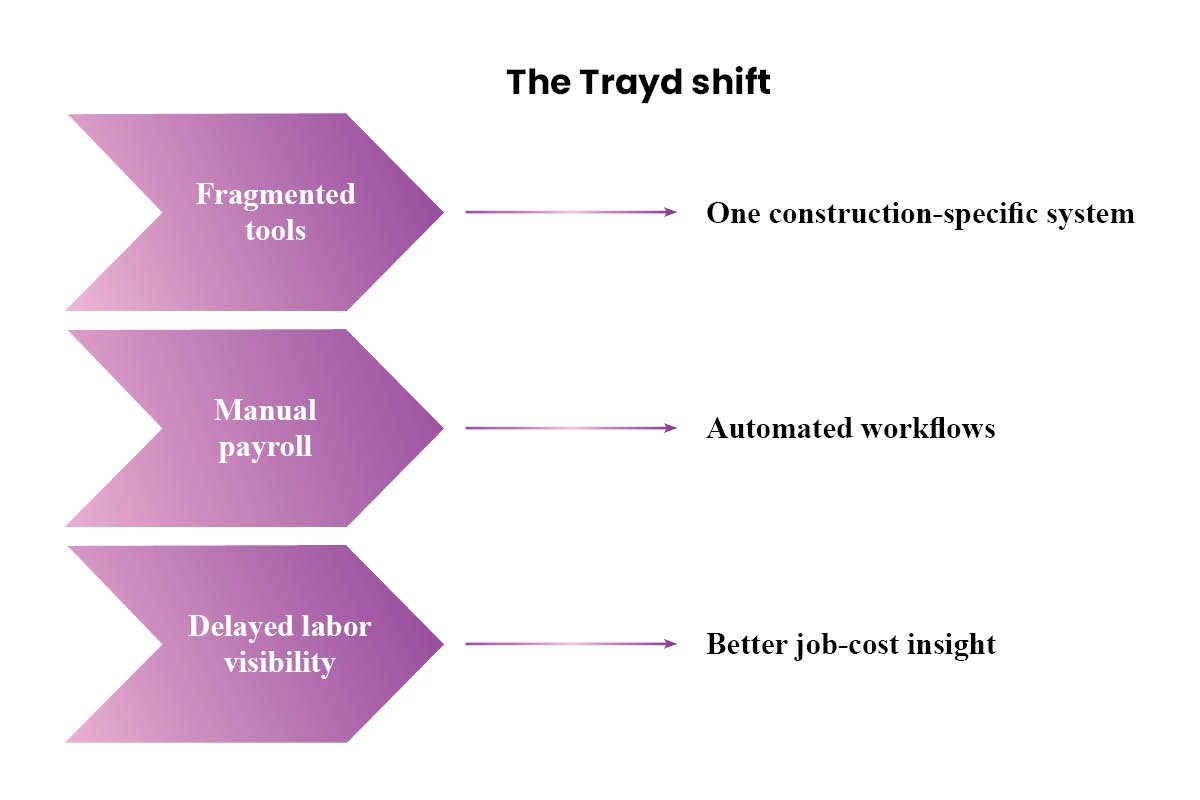
Fragmented tools → One construction-specific system
Manual payroll → Automated workflows
Delayed labor visibility → Better job-cost insight
The company is not simply digitizing an old process. It is questioning whether the old process should exist in the first place.
04 | PowerToFly – From Access to the AI Workforce
PowerToFly began with a human problem.
Founded by Milena Berry and Katharine Zaleski in 2014, the company was built around connecting talented professionals with opportunities that conventional workplace structures could overlook.
More than a decade later, that idea has moved into artificial intelligence.
PowerToFly is now taking that talent-access model into AI, connecting companies with domain experts and AI specialists for model training, evaluation, red teaming, and other human-in-the-loop work.
The company’s evolution is less a change of direction than an extension of its original question.
The PowerToFly question
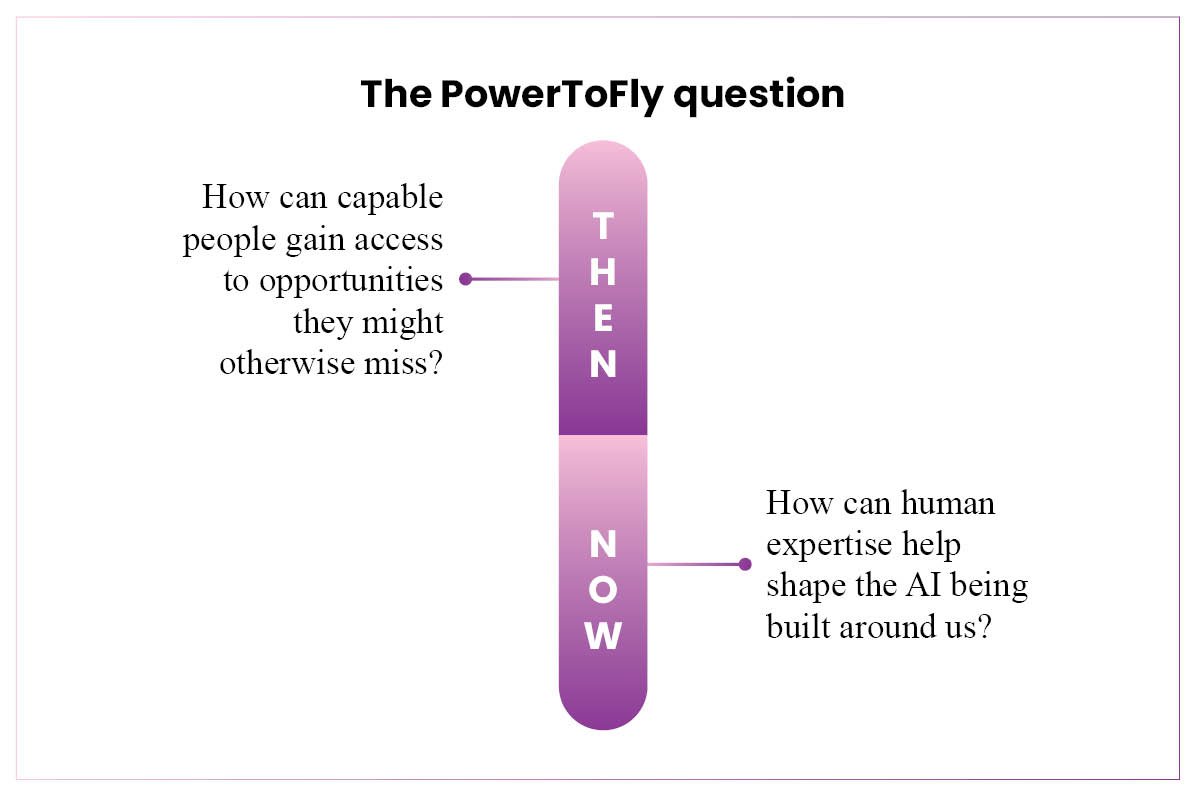
Then: How can capable people gain access to opportunities they might otherwise miss?
Now: How can human expertise help shape the AI being built around us?
That gives PowerToFly a different position within the female-led startup landscape: it is taking an established talent-access model into the rapidly developing field of AI.
05 | VOW – Making Live Events Run Like One System
A major event may look effortless from the outside. Behind it, guest lists, ticketing, seating, travel, communications, access, sponsors, and on-site changes can involve multiple teams and disconnected systems.
Jennifer Brisman saw that fragmentation through her work in live events and built VOW to address it.
Today, VOW brings AI-powered orchestration to the live-experience economy, connecting event workflows through a real-time platform. Instead of treating registration, seating, communications, and guest management as separate functions, it connects them within a single guest journey.
The company has worked with organizations including Saturday Night Live and PFL-MMA, putting its approach into practice across high-profile live experiences.
For a female-led startup, the opportunity here is not simply to create another event-management tool. It is to question why so many parts of the guest experience have traditionally been handled separately.
The live-event shift
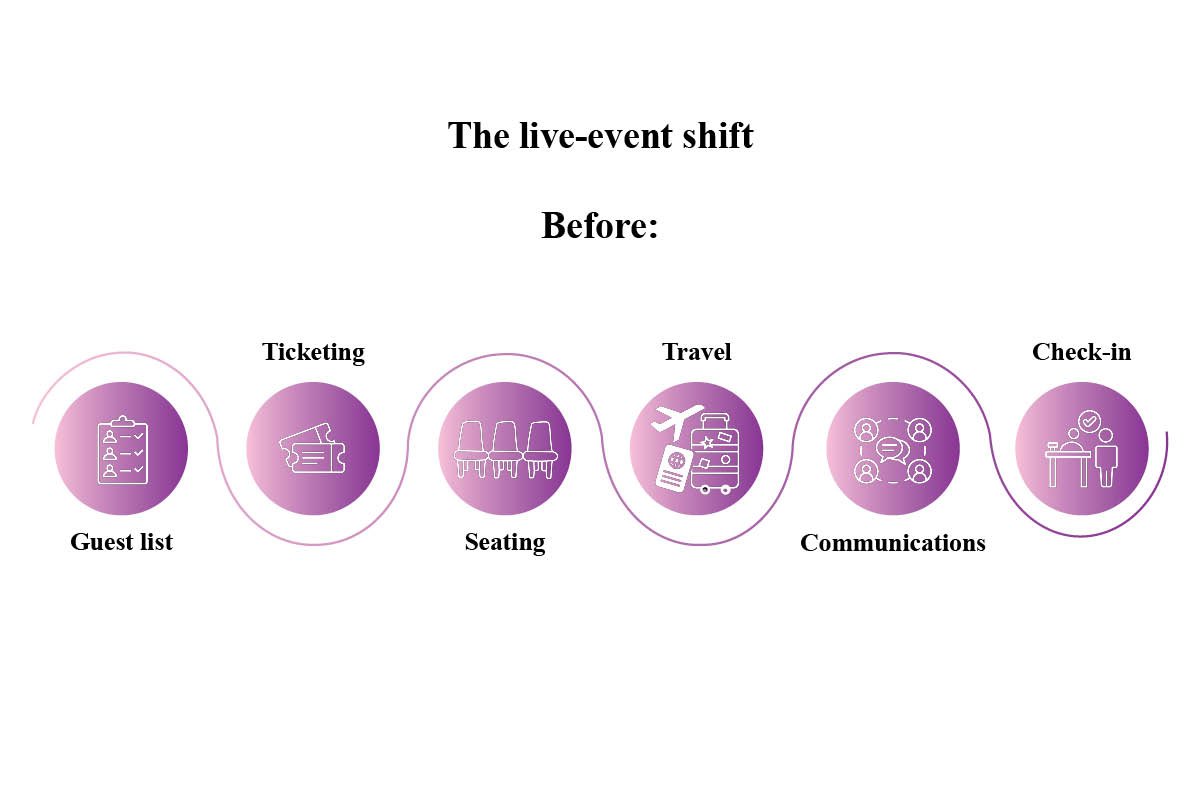
Before:
Guest list → Ticketing → Seating → Travel → Communications → Check-in
VOW:
One connected guest journey
The difference is not another event tool. It is a different way of thinking about how the entire experience should operate.
Five Startups. Five Different Moves.
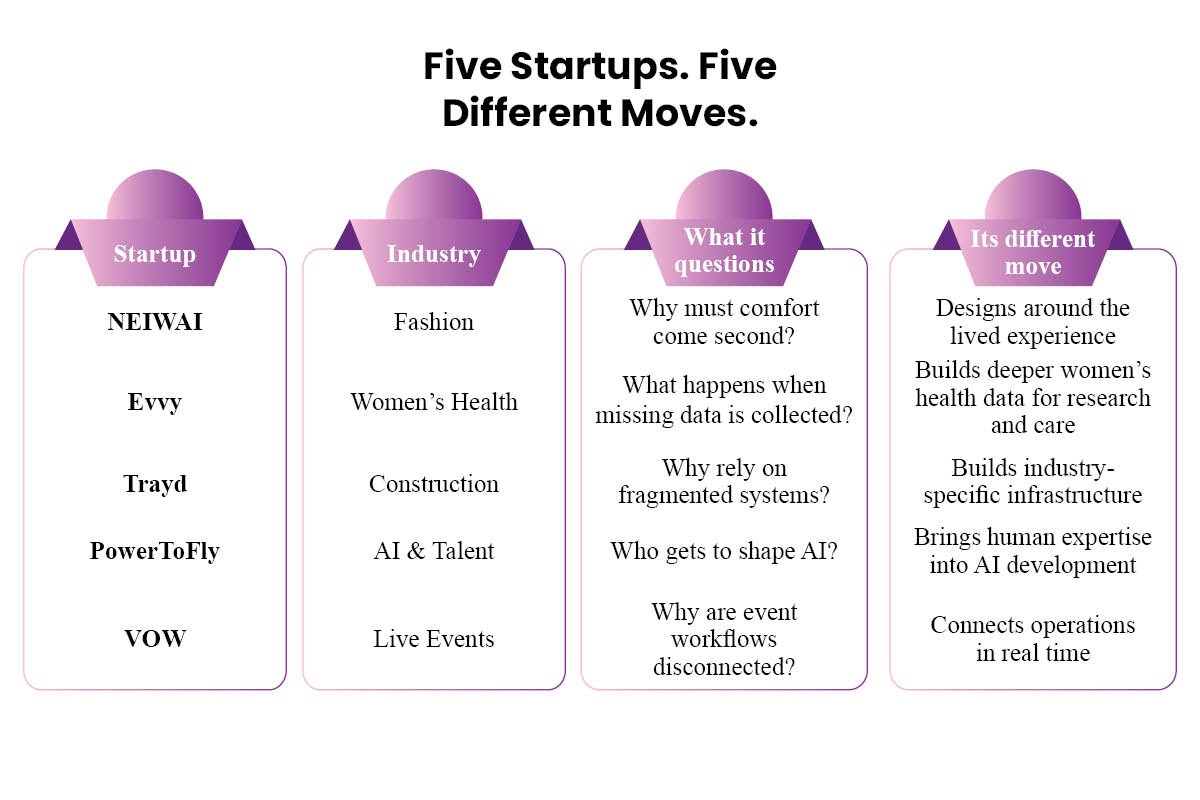
| Startup | Industry | What it questions | Its different move |
| NEIWAI | Fashion | Why must comfort come second? | Designs around the lived experience |
| Evvy | Women’s Health | What happens when missing data is collected? | Builds deeper women’s health data for research and care |
| Trayd | Construction | Why rely on fragmented systems? | Builds industry-specific infrastructure |
| PowerToFly | AI & Talent | Who gets to shape AI? | Brings human expertise into AI development |
| VOW | Live Events | Why are event workflows disconnected? | Connects operations in real time |
The common thread is not technology.
It is reframing.
Learn More: Women Leaders in NYC Business Shaping the Future of Work
Beyond the Founder
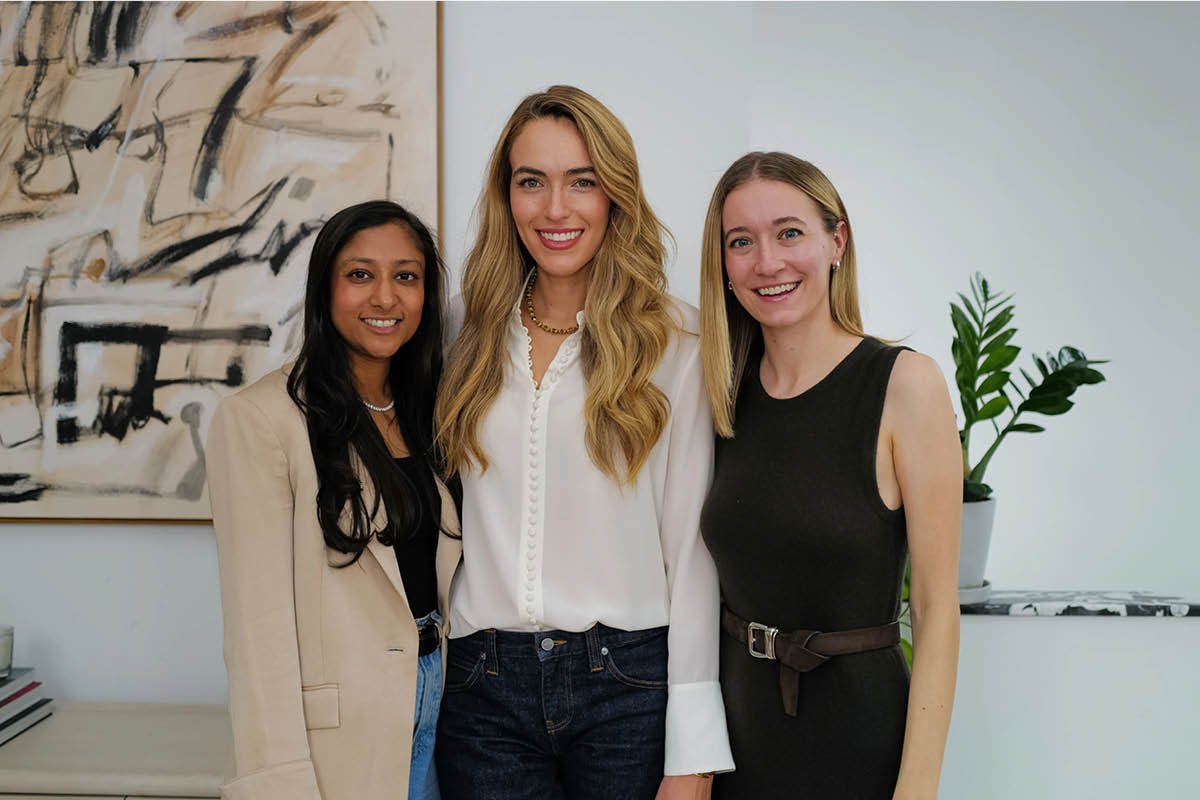
It would be easy to turn these companies into another story about women breaking barriers. Their businesses are more interesting than that.
Liu challenged the compromises built into intimate apparel. Jain and Bruzek built around gaps in women’s health data. Berger and Kessler tackled construction software that had not been designed around the industry’s realities. Berry and Zaleski carried their focus on access into AI. Brisman built around the complexity hidden behind supposedly seamless experiences.
Different industries. Different customers. Different technologies.
Yet each founder found the same gap: the difference between how an industry works and how it could work.
That gap is where these businesses are building.
New York makes a natural setting for that kind of experimentation. Finance, fashion, healthcare, construction, media, technology, and entertainment all form part of the city’s business landscape, creating a backdrop where different industries and ideas frequently intersect.
The ecosystem becomes more than a location.
It becomes a catalyst.
New York’s Next Chapter Is Being Built Now
The next generation of startups may not always arrive with a spectacular invention. Sometimes, the bigger move is refusing to accept an old problem as permanent.
NEIWAI challenges expectations around comfort. Evvy addresses gaps in women’s health data. Trayd rethinks construction operations. PowerToFly brings human expertise into AI. VOW connects fragmented live-event systems.
Five companies. Five industries. One shared instinct: question what the industry has learned to accept.
That is where disruption begins, not always with a breakthrough invention, but with a better question. These female-led startups are proving that sometimes, changing an industry starts with asking:
Why are we still doing it this way?