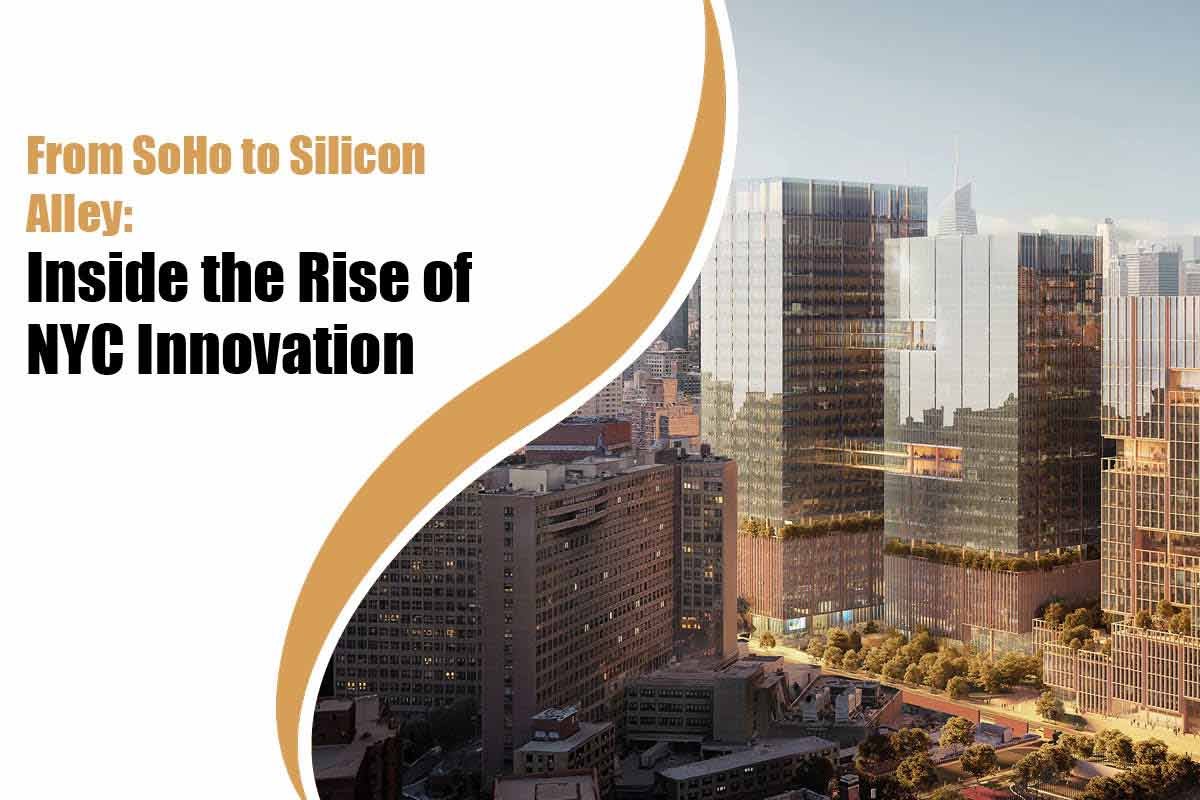
Walk through SoHo today, and every block hints at a story bigger than its famous cast-iron buildings. Once filled with factories and artists’ studios, the neighborhood welcomed ambitious startups beside creative businesses. That shift connected SoHo with the wider Silicon Alley movement and gave fresh attention to NYC innovation. Technology, finance, media, design, and entrepreneurship met within shared spaces, creating opportunities for founders, investors, and skilled teams.
Their ideas influenced local business culture and inspired new companies that continue shaping the city’s innovation today across industries. This article explores the people, companies, and ideas behind that progress, showing how bold thinking and practical execution turned curiosity into lasting influence across New York’s business community while encouraging future entrepreneurs across generations.
The rise of silicon alley: How nyc built its tech identity?
Every thriving technology hub begins with a story, and Silicon Alley shows how New York built its place in the digital economy.
1. A Name with purpose:
The term Silicon Alley emerged during the 1990s as New York’s answer to its growing technology sector. It described a cluster of internet businesses, software companies, and digital media firms that gathered across Lower Manhattan. This period marked an important chapter in NYC innovation.
2. Why These neighborhoods worked:
SoHo, Flatiron, Chelsea, and nearby districts offered spacious loft offices, reliable business connections, and easy access to advertising agencies, publishers, financial firms, and creative talent. Entrepreneurs found practical advantages that supported steady company growth.
3. The early momentum:
Internet startups and digital media businesses helped build Silicon Alley’s reputation. Their success attracted skilled professionals, fresh investment, and attention from national markets. Venture capital firms supplied funding, while universities produced talented graduates. Financial institutions added business expertise and valuable industry connections.
4. A Different kind of tech center:
Silicon Valley became known for hardware and large technology companies. New York built its identity through close ties with finance, media, fashion, design, and commerce. Those strengths gave New York a unique character that continues attracting founders with diverse business ideas today.
Its lasting success reflects a city where business, creativity, and technology continue opening new opportunities for ambitious founders.
Four pillars of New York’s innovation community
Four key factors explain why New York continues to attract innovators.
1. Access to capital
New York offers strong venture capital networks alongside established financial institutions. This combination helps founders secure funding, build partnerships, and expand with greater confidence. It remains a major advantage for the city’s startup ecosystem.
2. Diverse industries
Technology companies benefit from close connections with finance, healthcare, media, fashion, retail, and artificial intelligence. These sectors create practical opportunities to test ideas, solve business challenges, and reach varied markets.
3. Talent pipeline
Leading universities continue producing skilled graduates with expertise across technical and business fields. New York also attracts international professionals who bring fresh perspectives, specialized knowledge, and valuable global experience.
4. Collaboration
Coworking spaces, startup communities, networking groups, and industry events encourage meaningful connections. Entrepreneurs, investors, mentors, and experienced executives regularly exchange ideas that support business growth and long-term partnerships.
Each of these factors contributes to the appeal of NYC innovation, creating an environment where startups and established businesses can grow together.
The new faces of New York city
Today’s innovation community is shaped by people with different skills who work toward shared business goals
Who Is Leading the Next Chapter?
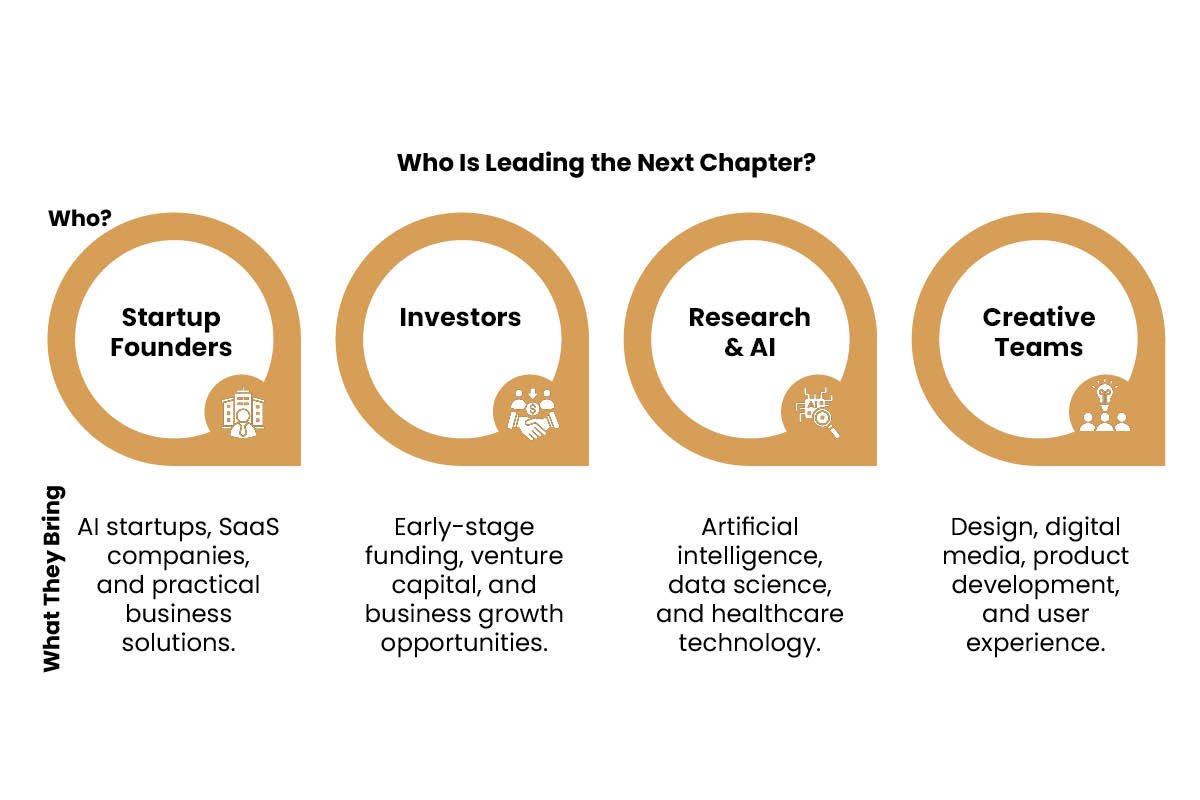
| Who? | What They Bring |
| Startup Founders | AI startups, SaaS companies, and practical business solutions. |
| Investors | Early-stage funding, venture capital, and business growth opportunities. |
| Research & AI | Artificial intelligence, data science, and healthcare technology. |
| Creative Teams | Design, digital media, product development, and user experience. |
The Bigger Picture
Rather than relying on a single industry, NYC innovation brings together technology, finance, healthcare, media, design, and entrepreneurship. This shared approach helps turn ideas into products, supports growing companies, and keeps the city’s innovation community attractive to founders, investors, and skilled professionals.
Challenges that continue to shape growth
Every growing technology center faces obstacles, and New York is no exception. Companies continue finding practical ways to balance rising costs with long-term business goals.
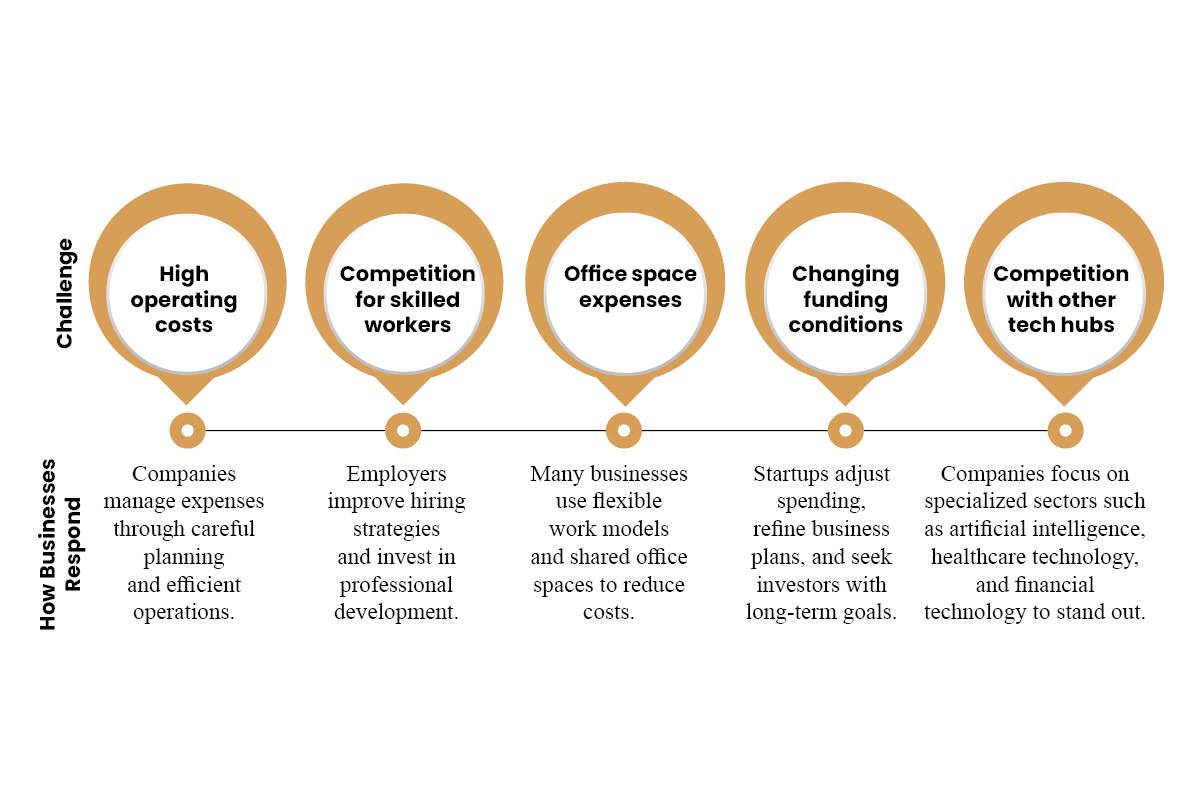
| Challenge | How Businesses Respond |
| High operating costs | Companies manage expenses through careful planning and efficient operations. |
| Competition for skilled workers | Employers improve hiring strategies and invest in professional development. |
| Office space expenses | Many businesses use flexible work models and shared office spaces to reduce costs. |
| Changing funding conditions | Startups adjust spending, refine business plans, and seek investors with long-term goals. |
| Competition with other tech hubs | Companies focus on specialized sectors such as artificial intelligence, healthcare technology, and financial technology to stand out. |
These challenges influence business decisions across the city, yet they have not slowed NYC innovation. Entrepreneurs, investors, and established companies continue adapting to changing market conditions while building competitive businesses through practical strategies.
Looking ahead: What comes next for NYC innovation?

The next chapter is already taking shape through steady investment, fresh ideas, and practical collaboration.
Looking forward:
- Artificial Intelligence: Continued investment supports smarter products and business solutions.
- High Growth Sectors: Health technology, fintech, climate technology, and digital infrastructure offer new opportunities.
- Shared Expertise: Universities, investors, and startups continue working together to support research and commercial success.
- Business Advantage: New York remains attractive because entrepreneurs can reach diverse customers, industries, and investment networks within one city.
The story of NYC innovation continues with the same creative spirit that once defined SoHo. Today, that energy connects technology, business, research, and design in meaningful ways. New ideas and strong partnerships continue shaping the city’s future through creativity, practical business thinking, and technology.
Final thoughts
SoHo’s creative history continues to influence a city that values fresh ideas, practical business thinking, and meaningful collaboration. What began as a neighborhood known for art and industry has become part of a broader story that connects entrepreneurs, researchers, investors, and creative professionals.
NYC innovation reflects this shared effort through technology, finance, healthcare, media, and design. As new opportunities emerge and industries continue working together, the city’s innovation community remains well-positioned for steady progress. The story of NYC innovation is still being written, shaped by people who turn ideas into lasting impact.